Global buyers are entering a solar market that is expanding rapidly, but choice remains difficult. IRENA’s Renewable Capacity Statistics 2024 reported 473 GW of renewable capacity added worldwide in 2023. Solar photovoltaic systems contributed approximately 346 GW. That growth creates opportunity. It also creates confusion.
The best power solutions solar projects match technology with local conditions. A rooftop system may suit a small factory with daytime demand. Battery storage can support clinics facing evening outages. Utility-scale solar may serve industrial buyers, but transmission capacity matters. Buyers should examine module efficiency, temperature performance, inverter compatibility, battery safety, warranty terms, and expected degradation. The cheapest quotation is not always the lowest-cost project. Sometimes, it becomes the most expensive mistake.
Fatih Birol, Executive Director of the International Energy Agency, has said, “Solar PV is now the cheapest source of electricity in history.” The IEA’s Renewables 2024 report also expects renewable capacity to keep rising strongly through 2030. Yet price alone cannot guide global procurement. Dusty sites need practical cleaning plans. Coastal projects require corrosion protection. Remote systems need spare parts and trained technicians nearby. Independent testing and credible certification remain essential. This guide examines seven solar power solutions for global buyers, from residential systems to hybrid microgrids. It considers performance, resilience, financing, and lifecycle value. No solution is perfect. That should be stated clearly. A careful buyer still checks local grid rules, installer records, insurance requirements, and real operating data before signing.
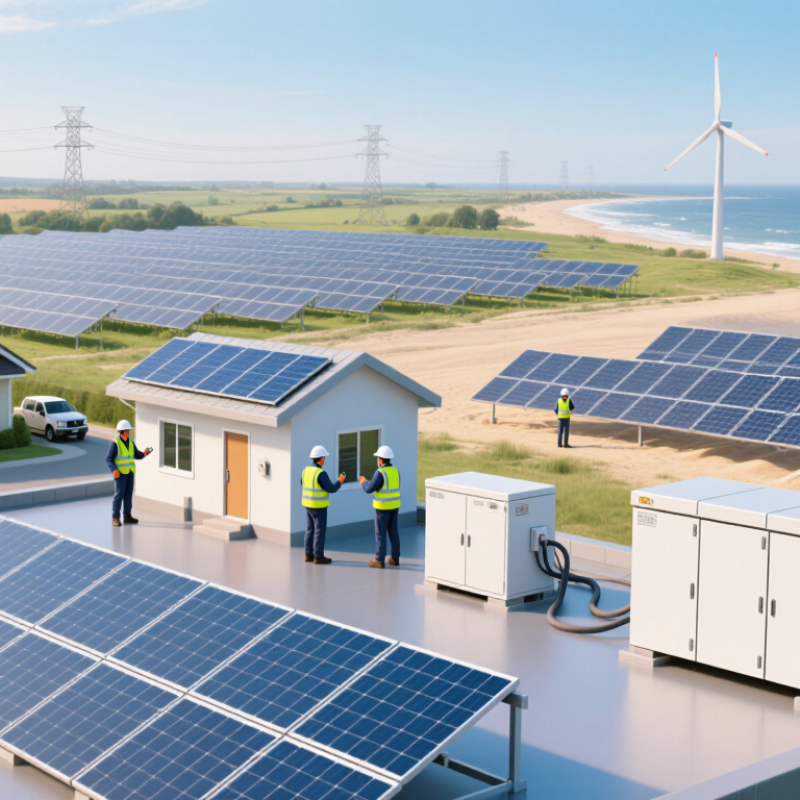
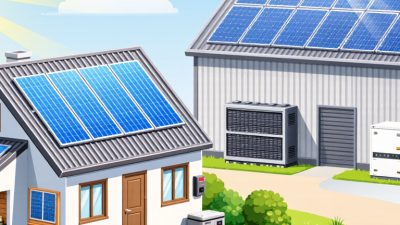
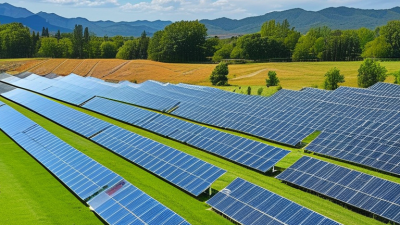
Choosing the best solar solution depends on climate, land, electricity demand, and local rules. Seven practical options serve different needs. Rooftop photovoltaic systems suit homes, offices, and factories with usable roofs. Ground-mounted arrays support farms, campuses, and utility projects. Floating solar uses reservoirs and may reduce land pressure. Solar water pumps help remote farms where grid access remains limited. Battery-backed systems provide power after sunset. Solar thermal collectors heat water for homes, hotels, and clinics. Portable off-grid kits support field teams, emergency shelters, and small rural businesses.
Photovoltaic modules convert sunlight into direct current. Inverters then produce usable alternating current for buildings or grids. Maximum power point tracking improves output during changing weather.
Lithium-based batteries offer high energy density, while other storage types may suit larger installations. Thermal systems require insulated tanks, circulation controls, and safe pressure management.
Engineers should check roof strength, shading, dust, humidity, and seasonal sunlight before selecting equipment.
Global applications reveal important differences. A dry desert site needs dust-resistant design and regular cleaning. A coastal project needs corrosion protection. Tropical systems need drainage, ventilation, and careful cable routing. Cold regions require snow-load calculations and battery temperature control.
Performance forecasts can look too optimistic. Real projects often face cloudy weeks, delayed maintenance, or changing electricity prices. That is the part many proposals understate. Reliable buyers should request measured test data, installation records, warranty terms, and compliance with applicable electrical standards. Independent inspections also help confirm whether expected energy savings match actual operating conditions.
7 Best Solar Power Solutions for Global Buyers?
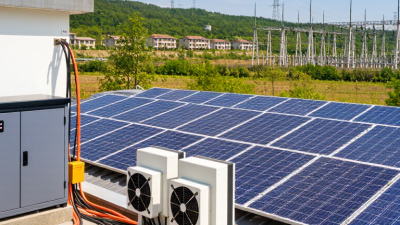
Grid-tied solar systems connect rooftop panels directly to the public electricity network. An inverter converts direct current into usable alternating current. Extra power can flow into the grid, depending on local regulations and metering rules.
The market is expanding quickly. IRENA reported 1,419 gigawatts of global solar capacity by the end of 2023. Solar added about 346 gigawatts that year, making it the largest source of new renewable capacity. The International Energy Agency also reported that solar accounted for roughly three-quarters of renewable capacity additions in 2023. These figures show strong global momentum, but they do not guarantee equal savings everywhere.
A reliable grid-tied design needs careful site measurements, voltage checks, and professional commissioning. High-efficiency panels help, but inverter quality and grid compatibility matter just as much. Monitoring software can reveal falling output after dust, shading, or wiring faults. Small details matter. NREL research shows that system losses often come from shading, soiling, temperature, and equipment mismatch. A practical installation should leave space around panels for cleaning and inspection.
One limitation deserves attention. Standard grid-tied systems usually shut down during a power outage, protecting utility workers from back-fed electricity. They are not automatic backup systems. Local net-metering policies may also change, weakening projected returns. Buyers should compare tariffs, export rates, warranties, and maintenance access before signing. I would not treat a simple payback estimate as certainty; weather, electricity prices, and policy conditions remain difficult to predict.
Off-grid solar kits can turn remote homes into safer, more productive places. The right solution depends on daily energy use, sunlight, weather, and repair access. A basic home kit can power LED lights, phone charging, a small radio, and efficient fans. For larger homes, a modular system can support refrigeration, internet equipment, and medical devices.
Seven practical solutions serve different needs. Solar lantern kits suit households needing simple lighting. Home power kits add panels, batteries, and an inverter. Community microgrids share generation across several buildings. Solar water-pumping systems support wells and small farms. Solar refrigeration protects food and temperature-sensitive supplies. Classroom kits provide lighting, charging, and digital learning power. Emergency backup kits keep essential loads running during storms or transport delays.
Battery sizing deserves careful attention. A cloudy week can expose weak planning quickly. Installers should measure actual appliance use, not rely on guesses. Panels need clear placement, secure mounting, and protection from dust or snow. Batteries also require ventilation, safe wiring, and routine inspection. Local technicians matter because a remote fault may take weeks to fix. A spare fuse, basic tools, and clear instructions can prevent a small issue from becoming a serious outage.
A perfect kit does not exist. Oversizing wastes money, while undersizing frustrates families. Water pumps may need strong starting power. Refrigerators can consume more energy than expected. Seasonal sunlight also changes the calculation. Careful site testing, transparent load estimates, and realistic maintenance plans make off-grid systems more dependable for remote communities.
7 Best Solar Power Solutions for Global Buyers?
Solar batteries turn daytime generation into dependable evening power. They can support lighting, refrigeration, internet equipment, and essential medical devices during outages. For many households, lithium iron phosphate batteries offer a practical balance of safety, cycle life, and usable capacity. However, battery size should match real consumption, not optimistic estimates.
Check the battery’s usable capacity, continuous output, depth of discharge, and round-trip efficiency. A 10 kWh battery may provide less than 10 kWh after reserve limits and conversion losses. Confirm compatibility with the inverter, solar controller, and local electrical system. Temperature also matters. Outdoor batteries may need ventilation, insulation, or controlled installation spaces. Independent safety testing and clear warranty conditions provide stronger protection than vague sales claims.
Tips: Record your evening loads for one week. Include the refrigerator, router, lights, and water pump. Choose backup circuits carefully. A larger battery is not always better. Oversizing can raise costs while leaving capacity unused. Review replacement access, service support, and recycling arrangements before purchase. No battery is perfect; actual performance depends on weather, installation quality, usage habits, and maintenance. One overlooked detail can weaken an otherwise excellent solar power solution.
| Solar Storage Solution | Battery Chemistry | Typical System Size | Usable Energy | Round-Trip Efficiency | Typical Cycle Life | Backup Power Capability | Best-Fit Applications |
|---|---|---|---|---|---|---|---|
| Residential Modular Battery | Lithium iron phosphate (LFP) | 5–30 kWh per home | 4.5–27 kWh at 90% depth of discharge | 90–95% | 3,000–6,000 cycles | Can support essential loads for approximately 4–24 hours, depending on load demand and system size | Daily solar self-consumption, evening peak shaving, and residential outage backup |
| High-Voltage Solar Battery System | LFP or nickel-manganese-cobalt lithium-ion | 10–100 kWh per installation | 9–90 kWh at 90% depth of discharge | 92–97% | 3,000–6,000 cycles for LFP; generally lower for NMC | Suitable for high-power loads such as pumps, heating equipment, and multiple household circuits | Large homes, villas, small commercial buildings, and hybrid solar systems |
| Portable Solar Generator | Usually LFP; some compact units use NMC | 0.3–5 kWh per unit | 0.25–4.5 kWh at approximately 80–90% depth of discharge | 80–95% | 500–4,000 cycles, depending on chemistry and operating conditions | Typically provides several hours of power for communication devices, lighting, refrigeration, and small appliances | Camping, mobile work, emergency backup, remote locations, and disaster preparedness |
| AGM or Gel Battery Bank | Valve-regulated lead-acid | 1–20 kWh per battery bank | 0.5–10 kWh when limited to approximately 50% depth of discharge | 70–85% | 500–1,200 cycles at moderate depth of discharge | Reliable short-duration backup when ventilation, weight, and maintenance requirements are acceptable | Small off-grid systems, telecom backup, low-cost installations, and regions with established lead-acid supply chains |
| Containerized Battery Energy Storage System | LFP lithium-ion | 1–5 MWh per container | 0.8–4.5 MWh at 80–90% depth of discharge | 85–93% | 4,000–8,000 cycles | Approximately 2–4 hours of discharge at rated power, with longer duration possible through system configuration | Utility-scale solar shifting, microgrids, commercial peak management, and grid support |
| Vanadium Redox Flow Battery | Aqueous vanadium electrolyte | 100 kWh–100 MWh | Usually designed for 4–12 hours of storage | 65–85% | 10,000–20,000+ cycles | Long-duration backup with minimal capacity degradation over frequent deep-discharge operation | Utility projects, renewable-energy shifting, microgrids, and commercial sites requiring many daily cycles |
| Sodium-Ion Solar Storage System | Sodium-ion | 1–100 kWh for distributed systems; larger systems are emerging | Approximately 0.8–90 kWh, depending on usable depth of discharge | 80–92% | 2,000–6,000 cycles, depending on cell design | Practical for low- to medium-power backup where wider operating-temperature tolerance and reduced critical-mineral dependence are priorities | Residential and commercial storage in cooler climates, cost-sensitive markets, and applications seeking alternatives to lithium-based systems |
Note: Figures are typical industry ranges for comparison purposes. Actual performance depends on cell design, inverter efficiency, ambient temperature, charging strategy, depth of discharge, installation quality, and local safety requirements.
Choosing the right solar solution starts with the buyer’s location, load profile, and grid reliability. IRENA reported 345 GW of new solar capacity in 2023, showing strong global demand, but one solution cannot fit every market. Rooftop photovoltaic systems suit homes and small offices with reliable grids. Add batteries where evening demand or outages matter. Commercial carports can shade vehicles while powering daytime operations. Utility-scale solar fits land-rich regions with transmission access, yet permits and grid connection can slow projects.
Remote communities need different tools. Solar home systems offer lighting, phone charging, and basic appliances without major construction. Solar mini-grids can support clinics, workshops, refrigeration, and schools. The World Bank estimates that nearly 675 million people lacked electricity access in 2021, with most living in sub-Saharan Africa. Solar water-pumping systems also help farms reduce fuel costs and improve irrigation reliability. Hybrid systems may be practical during weak-grid transitions, although maintenance becomes more complicated.
Check the details. Battery temperature, dust, spare parts, warranty response, and local technician skills often matter more than panel efficiency. IEA PVPS reported global photovoltaic capacity exceeded 2 terawatts in 2024, but rapid deployment does not guarantee dependable service. Buyers should compare five-year operating costs, not only purchase prices. My field-based preference is conservative: oversize critical components slightly, document energy demand, and test backup performance. Perfect forecasts are rare. A cheaper system can become expensive when one missing part stops the entire installation.