How to Choose the Best Solar Systems for Your Needs?
Choosing the best solar systems can feel overwhelming. The right choice depends on various factors. Market expert Dr. Emily Thompson states, "Selecting a tailored solar system is crucial for maximizing energy efficiency." Her insights reflect a growing understanding in the solar industry.
When considering solar systems, one must assess energy needs. Different households have unique requirements. The available space on your property also plays a critical role. Many don't realize that installation options vary significantly. Proper research is essential.
Experience has shown that not all solar systems are created equal. Quality and longevity matter. Users should reflect on long-term benefits versus initial costs. Mistakes can lead to regrets. A well-informed decision can pave the way for sustainable energy solutions. Understanding your specific needs is vital for a successful solar transition.
Factors to Consider When Choosing a Solar System
Choosing the right solar system involves multiple factors. One primary aspect is your energy needs. The average U.S. household consumes around 877 kWh per month. This number can guide you in determining the capacity of the solar system needed. Analyze your current energy bills to find your monthly usage. If you aim for complete energy independence, you may need a system that generates more than your current consumption.
Another important consideration is the local climate. Regions with high solar insolation, like the southwestern U.S., benefit more from solar panels. According to the Solar Energy Industries Association, areas with less sunlight may require larger systems to produce equivalent energy. Your roof's orientation and shading are also critical. South-facing roofs often yield the highest efficiency.
Financial aspects should not be overlooked. The average solar panel system costs about $3,000 to $12,000. Incentives, like tax credits, can help reduce initial costs. However, be aware that financing options vary widely. Some options lead to higher long-term costs. Evaluate all offers carefully. Engaging a reliable solar consultant can help ensure you avoid pitfalls. Researching local regulations is also a must. Local laws can impact installation and incentives, potentially complicating the process.
How to Choose the Best Solar Systems for Your Needs? - Factors to Consider When Choosing a Solar System
| Factor |
Description |
Importance Level |
Recommended Measurement |
| Energy Needs |
Assessing your average energy consumption to determine system size. |
High |
kWh/month |
| Roof Space |
Evaluating the available area on your roof for solar panel installation. |
Medium |
Square footage |
| Solar Panel Efficiency |
Choosing panels with higher efficiency can generate more power per square foot. |
High |
Percentage (%) |
| Budget |
Considering the total investment needed for purchase, installation, and maintenance. |
High |
Total cost ($) |
| Incentives |
Researching available government incentives and rebates for solar installations. |
Medium |
Percentage (%) discount |
| Warranty and Support |
Checking the warranty terms for panels, inverter, and other components. |
Medium |
Years of coverage |
Types of Solar Systems and Their Applications
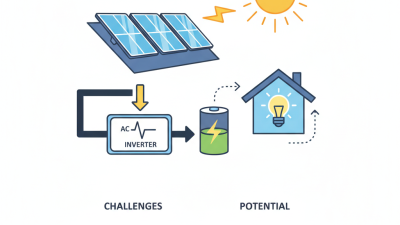
When choosing a solar system, understanding the types available is crucial. There are primarily three types: grid-tied, off-grid, and hybrid systems. Grid-tied systems connect to the local utility grid. They are ideal for urban homes. According to the U.S. Department of Energy, about 90% of all solar installations in the U.S. are grid-tied. This setup benefits from net metering, allowing users to sell excess energy back to the grid.
Off-grid systems, on the other hand, operate independently from the grid. They use battery storage to provide power. These systems are suitable for remote areas, where utility access is limited. A report from the International Renewable Energy Agency indicates that off-grid solar capacity rose by 20% last year globally. While these systems offer autonomy, they may require a higher initial investment and careful energy management.
Hybrid systems combine both approaches. They can switch between grid and battery power. This flexibility is beneficial during outages. However, the complexity of this setup may be overwhelming for some users. Each system type has its strengths and weaknesses. Evaluating personal energy needs and budget constraints is essential for an informed decision.
Evaluating Your Energy Needs and Consumption
When evaluating your energy needs, start by analyzing your current consumption. According to the U.S. Energy Information Administration, the average American household uses about 877 kWh per month. This figure varies significantly based on factors like location, home size, and efficiency of appliances. Understanding your consumption pattern can guide you in selecting the appropriate solar system size.
[Image]
Consider seasonal changes in energy use. For instance, homes in warmer climates may see spikes in energy consumption during summer months due to air conditioning. The National Renewable Energy Laboratory reports that energy consumption can increase by as much as 30% in peak periods. This knowledge is vital for sizing your solar system to ensure it meets your needs year-round.
[Image]
It’s helpful to reflect on your long-term energy goals. Are you aiming for complete energy independence, or simply seeking to reduce your monthly bills? As you think about future changes—like electric vehicle purchases or home expansions—ensuring that your solar system can accommodate those needs can prevent costly modifications later. Engaging with certified energy auditors and local solar experts may provide additional insights and validation for your decision-making process.
Budgeting for Solar System Installation and Maintenance
Budgeting for a solar system installation requires careful planning. Start by assessing your energy needs. Calculate your average monthly energy consumption. This helps in choosing the right system size. A larger system typically costs more but may yield greater savings over time. Remember, installation costs can vary significantly based on location and system complexity.
Consider ongoing maintenance costs as well. Solar systems require periodic cleaning and inspections. These expenses can accumulate, so it's wise to budget for them. Think about potential repairs too. Sometimes, components may need replacement before the system reaches its lifespan.
Lastly, research available incentives and rebates. Many regions offer financial assistance for solar installations. This can significantly reduce upfront costs. Staying informed about these opportunities can help you make a more strategic decision. Evaluate your financial options. Look into loans or payment plans that suit your situation. Balancing initial investments with long-term savings is essential.
Understanding Incentives and Financial Options for Solar Energy
When considering solar energy, understanding financial options and incentives is crucial. According to the Solar Energy Industries Association (SEIA), federal tax credits can cover up to 26% of installation costs through 2022, decreasing to 22% in 2023. This can significantly reduce the upfront burden for homeowners. States may also offer additional rebates or incentives that can boost your savings further.
Financing options are diverse. Many consumers choose solar loans, allowing them to pay over time while enjoying energy savings. On average, homeowners save around $1,500 annually on electricity bills after switching to solar. These savings can offset monthly loan payments, making solar systems more accessible. Yet, not everyone benefits equally. Some guidelines around credit scores and income levels can affect eligibility for certain financing options.
Leasing solar panels can be another avenue. It often requires little to no upfront costs. However, these agreements may limit your total savings over time, as the third party retains federal tax credits. Research shows that borrowed funds for solar installations typically pay back within 5 to 10 years, depending on local utility rates and panel efficiency. Thoroughly evaluate your options to ensure the best decision aligns with your long-term financial goals.
Solar Energy System Options and Financial Incentives