How to Choose the Best Solar Power Solutions?
Choosing the right solar power solutions begins with understanding how energy is used each day. A small home with efficient appliances needs a different system from a workshop with power-hungry tools. Review electricity bills, roof direction, available sunlight, and local weather patterns before comparing products. A shaded roof may produce less energy than a larger, unshaded wall-mounted system.
A reliable decision also depends on equipment quality, installer experience, and long-term service. Check panel efficiency, inverter performance, battery capacity, safety certifications, and warranty terms. Ask whether the installer has completed similar projects in your region. Details matter. A ten-year warranty means little if support is difficult to reach.
Cost should include installation, maintenance, monitoring, and possible component replacement. Online calculators can offer useful estimates, but they may overlook shading, seasonal output, or household growth. A quick estimate can mislead. Professional site assessments provide stronger evidence, especially when battery storage is considered. Conditions change.
This guide explains how to compare solar power solutions with practical questions and measurable criteria. It also examines grid-connected systems, backup batteries, portable units, and hybrid designs. No option is perfect for every property. The best choice balances energy demand, available space, budget, reliability, and environmental conditions. Careful research reduces surprises, although even a well-planned system may need adjustment after real-world performance data becomes available.
Understanding Solar Power Solutions and Their Main Components
How to Choose the Best Solar Power Solutions?
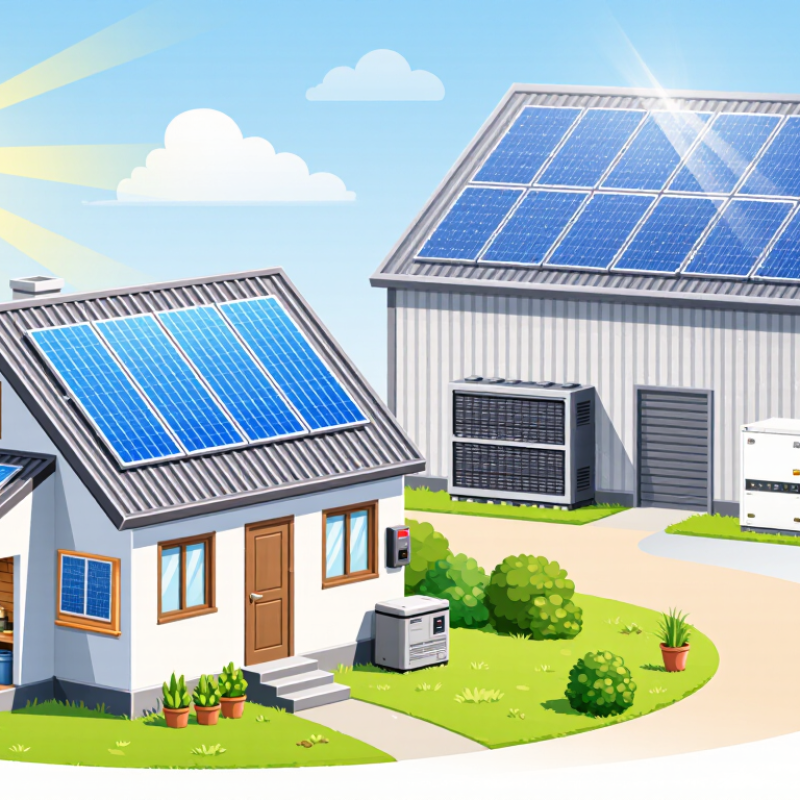
A reliable solar solution begins with its main components, not its advertised capacity. Solar photovoltaic modules convert sunlight into direct current electricity. An inverter then converts it into usable alternating current. Mounting structures protect panel angles, wiring, and roof surfaces. Batteries store excess power for evening use or outages. Monitoring systems reveal production losses and unusual performance.
The International Renewable Energy Agency reported 346 gigawatts of new solar capacity in 2023. Its Renewable Capacity Statistics 2024 placed global solar capacity above 1.4 terawatts. The International Energy Agency reported a higher figure, partly because reporting methods differ. That difference deserves attention. A system’s real value depends on shading, local weather, roof direction, electricity prices, and daily demand. A larger battery is not always better. Oversizing can increase costs while leaving capacity unused. In practical assessments, installers should compare hourly load data with seasonal solar output. Simple annual estimates can mislead.
Tips: Request a component-level design, not only a total kilowatt figure. Check inverter efficiency, battery usable capacity, warranty terms, fire protection, and monitoring access. Ask how performance will be tested after installation. Leave space for future expansion, but avoid paying for equipment your household cannot use. Even careful designs contain uncertainty; dust, heat, and changing consumption can reduce expected output.
Assessing Energy Needs, Site Conditions, and Available Solar Resources
How to Choose the Best Solar Power Solutions?
Assessing Energy Needs, Site Conditions, and Available Solar Resources
Start with the electricity profile, not the panel catalogue. Review twelve months of utility bills, hourly demand, and seasonal changes. A home may consume 900 kWh monthly but still need a larger system during winter evenings. The International Energy Agency reported that global solar photovoltaic capacity exceeded 1,400 GW by the end of 2023. That scale does not make every roof suitable. Match system size with actual load, battery requirements, and future equipment.
Inspect the site at different times of day. Note roof direction, pitch, structural strength, nearby trees, dust, and shading from water tanks. A shadow across one panel can reduce output across a connected string. Use a professional structural assessment where necessary. The National Renewable Energy Laboratory’s PVWatts tool estimates production from location, tilt, azimuth, and system losses. Its results are useful, but they are not a promise.
Solar resources also vary sharply within the same region. Compare Global Horizontal Irradiance data with local weather records, especially cloud cover and monsoon patterns. The Global Solar Atlas provides long-term solar radiation estimates for site screening. On-site measurements may still reveal unexpected haze or afternoon shading. That part is easy to overlook. Conservative estimates are safer than optimistic projections. I would also test several scenarios: unusually cloudy months, rising electricity demand, and battery replacement costs. Solar decisions are rarely perfect. The design should remain practical when assumptions prove wrong.
Comparing Solar Panel Types, System Designs, and Performance
Choosing solar equipment starts with the site, not the panel brochure.
Monocrystalline panels usually deliver higher power from limited roof space. Thin-film modules can perform better in some heat and low-light conditions, but they often require more area. The IEA PVPS Trends 2024 report recorded more than 1.6 terawatts of global photovoltaic capacity by the end of 2023. That scale hides an important fact: local design still controls actual output.
System architecture changes performance.
A fixed-tilt array is simpler and usually easier to maintain. Single-axis trackers can increase energy yield on suitable open land, but they add moving parts, foundation work, and maintenance exposure. Bifacial modules may capture reflected light from bright ground surfaces. Their advantage becomes smaller on dark soil or crowded rooftops. For homes, string inverters are practical for uniform roof planes, while module-level electronics can reduce shading losses. More equipment is not automatically better.
Performance should be measured with annual energy yield, temperature behavior, degradation, and the site’s capacity factor.
Lawrence Berkeley National Laboratory’s Utility-Scale Solar 2024 report showed a median capacity factor near 24% for recent utility-scale projects, though location and tracking strongly affect results. NREL efficiency charts describe laboratory records, not typical installed modules. That distinction matters. I would compare modeled kilowatt-hours, warranty assumptions, snow and wind conditions, and maintenance access. My first design would rarely be perfect; shade changes, dust, and underestimated cable losses can expose weak assumptions. Test the model against real operating conditions.
Evaluating Batteries, Inverters, Costs, and Installation Requirements
Choosing solar power solutions requires more than comparing panel capacity. Start with your daily electricity use and identify essential loads, such as refrigeration, lighting, pumps, and internet equipment. A home using 18 kilowatt-hours daily may not need a battery covering every appliance. Battery sizing should consider usable capacity, discharge limits, temperature, expected cycle life, and warranty conditions. Chemistry matters too, but real operating conditions matter more.
Measure twice.
The inverter converts stored or generated electricity into usable household power. Select one with enough continuous output and surge capacity for motors, heating equipment, and medical devices. A hybrid inverter can coordinate panels, batteries, and the utility grid, but compatibility must be checked carefully. Qualified installers should inspect the roof, electrical panel, grounding system, cable routes, and fire-access areas before quoting. Poor cable placement can increase losses and complicate future repairs.
Real homes are untidy.
Compare the full installed cost, not only the equipment price. Include permits, structural work, scaffolding, monitoring, labor, inspections, and possible electrical upgrades. A low quote may exclude essential items. Request an itemized estimate with production assumptions and maintenance responsibilities. Local weather, shading, dust, and winter demand can reduce performance. I would avoid promising exact savings without reviewing meter data and site conditions. Even experienced planners can miss a tree’s seasonal shadow. Leave room for revision.
Selecting a Reliable Solar Provider and Planning Long-Term Maintenance
How to Choose the Best Solar Power Solutions?
Selecting a Reliable Solar Provider and Planning Long-Term Maintenance
A reliable solar provider should begin with your property, not a sales package. Ask for a roof inspection, shade analysis, and realistic annual production estimate. During a site visit, check whether the adviser notices roof age, drainage paths, and cable access. Small details can prevent expensive repairs later. Request evidence of licensing, insurance, trained installers, and completed projects in similar climates. Clear contracts matter too. They should explain equipment performance, workmanship coverage, response times, and maintenance responsibilities.
Long-term planning should include monitoring, cleaning guidance, electrical inspections, and replacement expectations. Ask who handles faults after installation. A useful maintenance plan identifies inspection intervals and provides written service records. The provider should also explain how software alerts are reviewed, rather than leaving you to interpret warning lights alone. For battery systems, discuss ventilation, temperature control, emergency procedures, and gradual capacity loss. These questions reveal practical knowledge.
Do not choose only by the lowest quotation. A cheaper design may use longer cable runs, weaker support structures, or limited after-sales service. Even a careful plan can miss changing household demand. Review your electricity use each year and adjust expectations. Dust, nearby construction, and new trees can reduce output. Keep invoices, photographs, warranties, and inspection reports in one folder. Reliable support is rarely dramatic. It appears when a fault receives a clear answer, a realistic timeline, and documented follow-up.