What Are Solar Contractors and What Do They Do?
Solar contractors help turn a home’s energy goals into a working solar system. Their work often begins with a site visit, not a sales pitch. They may check roof condition, shade, electrical equipment, and available space before recommending a design. A careful assessment can reveal practical limits, such as a vent in the wrong place or a panel that needs attention.
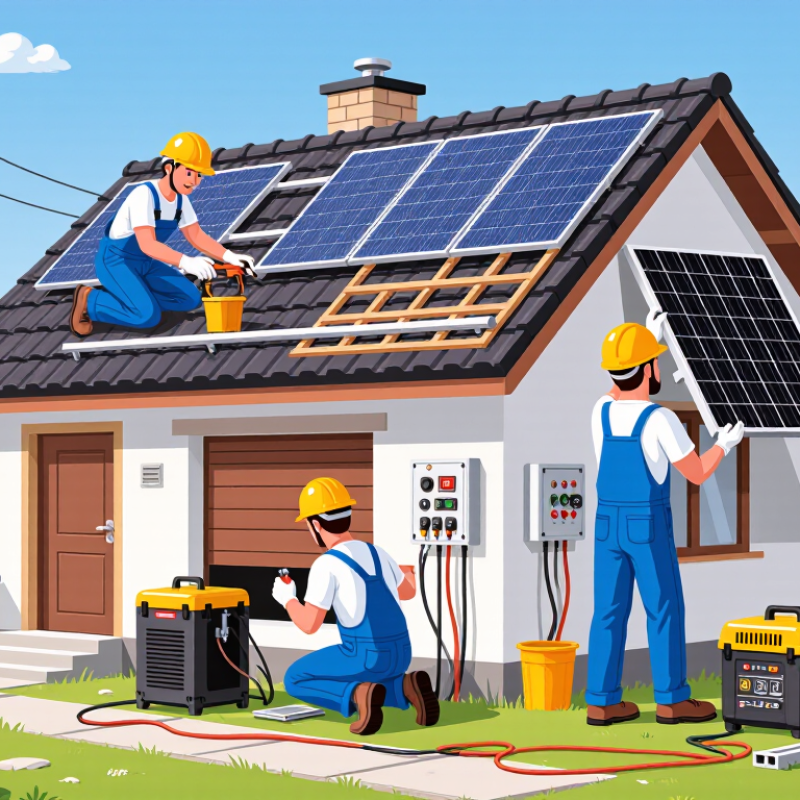
The job can include system design, equipment selection, installation, inspections, and coordination with the local utility. On installation day, crews secure mounting rails, place panels, connect wiring, and set up inverters or monitoring equipment. Details matter. The exact process varies by property, system type, and local requirements, so a contractor’s promises should be specific and understandable. Not every roof qualifies. And projected savings are estimates, not guarantees; energy use, rates, weather, and system performance all affect results.
A useful overview should explain what contractors do, how to compare proposals, and what questions homeowners can ask. Check relevant experience, insurance, references, warranties, and who will handle each stage of the project. It is also reasonable to ask who performs the electrical work and who responds if monitoring shows a problem later. That can be frustrating. Solar projects involve several moving parts, and even a clear proposal may leave details unstated. A thoughtful contractor makes those details easier to see, while helping customers understand both the benefits and the limits before work begins.
Solar Contractors Explained: Their Role in a 32.4-GW U.S. Solar Market
The SEIA and Wood Mackenzie U.S. Solar Market Insight 2023 Year in Review reported 32.4 gigawatts of new U.S. solar capacity installed that year. That scale turns contractors into practical coordinators, not just panel installers. They assess roofs or project sites, check electrical equipment, and plan how modules, inverters, wiring, and safety systems fit together. A crew may spend part of a morning measuring roof angles, then coordinate inspections and utility connection paperwork. The details matter.
For homeowners, contractors typically develop a system design, estimate production, arrange permits, install equipment, and help prepare for inspection and grid connection. On larger projects, their work can involve civil construction, equipment scheduling, and coordination with engineers and utility representatives. Their exact responsibilities depend on the contract and local requirements, so customers should ask who handles each step. A missed handoff can delay a project. It happens.
In a 32.4-GW market, reliable workmanship matters beyond the installation day. Contractors must account for shading, roof condition, wiring routes, and safe access for maintenance. Yet forecasts are not guarantees: actual energy output changes with weather, equipment performance, and site conditions. A careful proposal should explain those assumptions in plain language and identify exclusions. Solar is technical work, but the clearest explanations are often the most useful.
Who Does the Work? IREC Counted 279,447 U.S. Solar Workers in 2023
Solar contractors turn plans into working systems. Their crews may inspect roofs, check shading, size equipment, install panels, and connect inverters. Licensed electrical workers handle wiring and grid connections, while project managers coordinate permits, inspections, and delivery schedules. On a typical job, the work can mean carrying panels up a ladder, then testing connections under bright afternoon sun. Small details matter.
IREC’s National Solar Jobs Census 2023 counted 279,447 U.S. solar workers. That figure covers far more than installation crews: it includes manufacturing, project development, sales, and operations roles. So it is not a headcount of contractors alone. Still, it shows the scale of the workforce supporting solar projects. The Solar Energy Industries Association and Wood Mackenzie reported that the United States installed 32.4 gigawatts of solar capacity in 2023, making solar a major source of new generating capacity. More projects require skilled labor, but a large workforce total does not guarantee every region has enough trained electricians or installers. That gap is worth watching. A workforce statistic can look reassuring while local crews remain stretched thin.
How Contractors Assess Sites, Size Systems, and Prepare Designs
A contractor’s site visit begins with the roof, but it rarely ends there. They check its age, surface condition, framing, and safe access before recommending a layout. On site, they record roof pitch, direction, vents, chimneys, and nearby trees. Even a narrow shadow can affect a group of panels. Shade matters. They also inspect the electrical panel and review utility bills, ideally covering a full year. Bills show seasonal demand, though an unusual year can skew the estimate.
System size should match household use, available roof area, and expected sunlight—not just the largest array that fits. Contractors model production across seasons and explain assumptions, such as shading and equipment losses. These are estimates, not promises. A careful design marks panel locations, wiring routes, inverter placement, and any needed electrical updates. It may also show how a battery could fit, if backup power is a goal. Small details count. A roof photo can miss a growing tree or a weak section of decking, so measurements and structural checks matter. Even a detailed model has limits; asking what could change its estimate is a useful part of reviewing the plan.
Permitting, Procurement, Installation, and Grid Interconnection
Solar contractors turn a rooftop plan into a working solar system. Their work often begins with a site review, where they check roof condition, shading, electrical capacity, and panel placement. They also prepare permit documents and coordinate required reviews with local authorities. Requirements vary by location, so a good contractor explains which approvals apply and when work can begin. Small details matter. A missing diagram can delay a project.
Procurement means ordering panels, inverters, wiring, mounting rails, and safety equipment that suit the site. The contractor should check equipment compatibility and delivery timing before installation. On installation day, crews secure the mounting system, fit the panels, connect electrical components, and test the system. They should protect roof surfaces and keep clear records of changes. Sometimes a neat plan meets an awkward roof vent. Adjustments happen, and they should be documented.
Grid interconnection is the process of coordinating the system’s connection with the utility. The contractor submits technical details, arranges required inspections, and helps confirm permission to operate. Timelines can vary, so ask who handles each step and what remains outstanding.
Tips: Request a written scope, permit timeline, equipment list, and inspection plan. Ask how roof penetrations will be sealed. Keep copies of approvals and test records. If an explanation feels rushed, pause and ask again.
System Commissioning, Inspections, and Ongoing Maintenance
Solar contractors do more than connect panels. They commission the system, check safety-related settings, and confirm that its monitoring works. During commissioning, they may test wiring polarity, insulation resistance, inverter operation, and communication between equipment. A loose connector can look fine from the ground. Small details matter.
Commissioning establishes a baseline for later inspections. Contractors compare measured output with expected performance and investigate unusual gaps. A 2013 NREL analysis of more than 11,000 photovoltaic degradation rates found a median decline of about 0.5% per year (Jordan and Kurtz, “Photovoltaic Degradation Rates—An Analytical Review”). That figure describes a broad sample, not a guarantee for any individual array. Weather, installation quality, and operating conditions can change the outcome.
During follow-up visits, technicians inspect modules, wiring, mounting hardware, and inverter records for damage or abnormal trends. NREL’s Best Practices for Operation and Maintenance of Photovoltaic and Energy Storage Systems recommends structured maintenance and documentation. Contractors can use monitoring alerts to prioritize a site visit, then record findings and repairs. Remote data helps, but it cannot reveal every loose fitting or intermittent fault. That is worth remembering. A clean inspection report is useful evidence, not proof that every component will remain trouble-free.