How to Choose the Best Solar Providers for Your Needs?
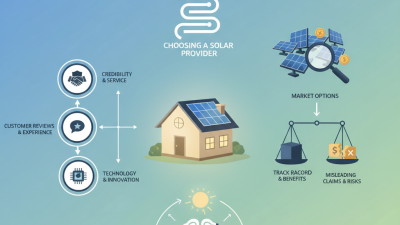
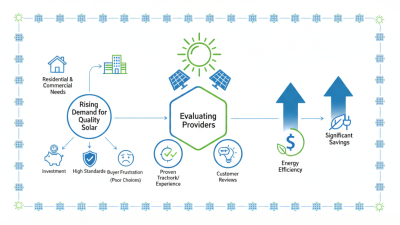
When searching for solar providers, it’s essential to consider various factors to ensure the best fit for your needs. As noted by Alex Green, a leading expert in the solar industry, “Choosing the right solar provider can significantly impact your energy savings and satisfaction.” This statement underscores the importance of careful selection, given the market's vast options.
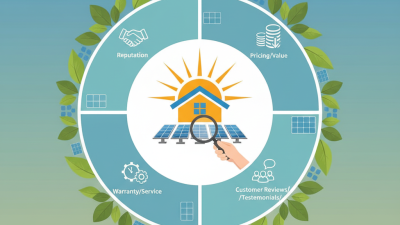
Many consumers feel overwhelmed by the choices available. Factors such as pricing, quality, and customer service can vary greatly among solar providers. Some promise the best deals but may provide subpar equipment. Understanding the technology and company reputation is critical. It’s advisable to research and read reviews to form a reliable picture of each provider.
Identifying your specific needs is equally important. Some providers excel in residential systems, while others focus on commercial installations. Engaging with multiple solar providers can help clarify these distinctions. Take the time to ask questions and assess the responses. This informed approach will lead to a more satisfying and beneficial solar energy experience.

Understanding Your Solar Energy Needs and Goals
When considering solar energy, understanding your needs is crucial. An estimated 88% of homeowners want solar for energy independence and savings. Defining your energy goals helps determine the size and type of solar system you require. Are you looking to cover 100% of your electricity needs? Or just a portion to offset costs?
Evaluating your energy consumption is essential. The U.S. Energy Information Administration states that the average American household consumes about 877 kWh monthly. By analyzing your utility bill, you can estimate how much solar power you will need. This step is vital for selecting the right provider that aligns with your goals.
Another factor to consider is the type of solar energy system. Do you want a rooftop installation or a ground-mounted system? Each option comes with unique benefits and costs. Research shows that homeowners can save an average of $20,000 over 20 years with solar. However, installation and maintenance can vary widely. Ensure the provider offers transparency in pricing and service, as this reflects their reliability and expertise in the industry.
Evaluating Solar Providers: Key Metrics and Certifications
Selecting the right solar provider is crucial for ensuring a successful solar installation. When evaluating potential companies, focus on key metrics that indicate their reliability and expertise. Look for certifications from recognized industry organizations. These credentials show that the provider meets established standards of quality and safety. A well-certified provider often follows best practices and keeps up with technological advancements.
Customer reviews are also vital. Reading feedback from past clients can reveal a lot about a company's performance. Pay attention to ratings for installation, customer service, and efficiency. It's essential to find a provider with a solid track record. It might require some digging to find honest assessments, but they are worth it.
Another metric to consider is warranty options. A strong warranty demonstrates the provider’s confidence in their systems. Be cautious of companies that offer extremely long warranties without good reason. They might be hiding something. Make sure to compare offers and ask questions. Remember, your solar investment should bring peace of mind, not unexpected issues.
Comparing Pricing Structures and Financing Options
When evaluating solar providers, pricing structures and financing options are crucial. Many companies offer diverse financing plans, such as solar leases, power purchase agreements (PPAs), and traditional loans. According to a report from the Solar Energy Industries Association (SEIA), approximately 60% of residential solar installations are financed through solar leases and PPAs. These options reduce upfront costs but may complicate long-term savings.
Taking the time to analyze each option is essential. Leases might require lower initial payments, yet they often lack the benefits of tax credits. Homeowners should calculate total costs over the system's lifespan. A recent study indicates that, on average, solar systems save homeowners 50% on energy bills over 20 years.
Tips: Always request detailed quotes from multiple providers. Look for hidden fees and annual escalator clauses. Financing can impact your overall savings; thus, clarity is paramount. Evaluate whether the provider offers maintenance and monitoring services included in the price. Understanding these financial variables ensures informed decisions on your journey to solar energy adoption.
Assessing Customer Reviews and Provider Reputation
When choosing a solar provider, customer reviews and reputation are crucial. A 2021 report by the Solar Energy Industries Association indicated that 70% of consumers relied on online reviews to make their decisions. This highlights the power of feedback in the solar industry. Sifting through reviews can reveal valuable insights. Look for comments on installation quality and customer service. Satisfied customers often emphasize responsiveness and support.
However, not all feedback is perfect. Some reviews may reflect isolated experiences. A provider with mostly positive feedback might have occasional negative comments. It's important to weigh these perspectives. A company with a few negative reviews might still be reliable if it has a strong overall rating. Assess the patterns in the feedback. If multiple customers mention the same issue, that could indicate a trend.
Additionally, industry rankings can provide another layer of understanding. Some companies may appear at the top of multiple lists, solidifying their reputation. Investigating how long a provider has been in the market can also inform your choice. Industry longevity often correlates with stability and expertise. Remember, a well-reviewed company today may still have room for improvement in the future. Trust but verify - use reviews as a tool, not the sole basis for your decision.
Customer Reviews on Solar Providers
Exploring Maintenance Services and Warranties Offered
When selecting a solar provider, it's vital to explore the maintenance services they offer. Regular maintenance ensures your solar system operates at peak efficiency. Look for providers that offer thorough inspections and timely repairs. A strong maintenance plan can prolong the lifespan of your solar panels. Consider what is included in their maintenance packages. Some might offer check-ups biannually, while others provide annual services.
Warranties are equally important in the selection process. Reputable providers typically offer comprehensive warranties covering both performance and equipment. Understand the length of the warranties and what they encompass. A standard warranty might cover solar panels for 25 years but only guarantee inverters for 5-10 years. This disparity can lead to unexpected costs later.
Make sure to ask questions about service response times. What happens if a panel malfunctions? This is where provider reliability comes into play. While many vendors promise excellent support, their actual response times can vary. It's essential to gather feedback from existing customers to gauge reliability. Planning for maintenance and understanding warranties will help you make a more informed decision.