Choosing the best solar electricity system in 2026 means looking beyond panel ratings and glossy efficiency claims. A system must match a home’s roof, electricity use, local weather, and budget. The IEA Photovoltaic Power Systems Programme’s Snapshot of Global PV Markets 2025 estimates that solar installations added nearly 600 gigawatts worldwide in 2024, bringing global capacity above 2.2 terawatts. That rapid growth expands choices, but it does not make every product or package equally suitable.
For a useful comparison, this article considers panels, inverters, batteries, warranties, and installer quality. Berkeley Lab’s Tracking the Sun 2024 report found a median installed price of about $3.28 per watt for U.S. residential systems installed in 2023. Prices vary by region and system design, so that figure is context, not a quote. Battery storage can help households shift solar power into evening hours, but it adds cost and may not pay off for every home. That caveat matters. A shaded roof, a short warranty, or an undersized inverter can change the real value of an apparently excellent system. The strongest choice is not automatically the one with the most panels or the biggest battery. It is the system whose tested performance, service support, and total cost make sense for the household using it. I would still treat any “best” list as a starting point, not a verdict.
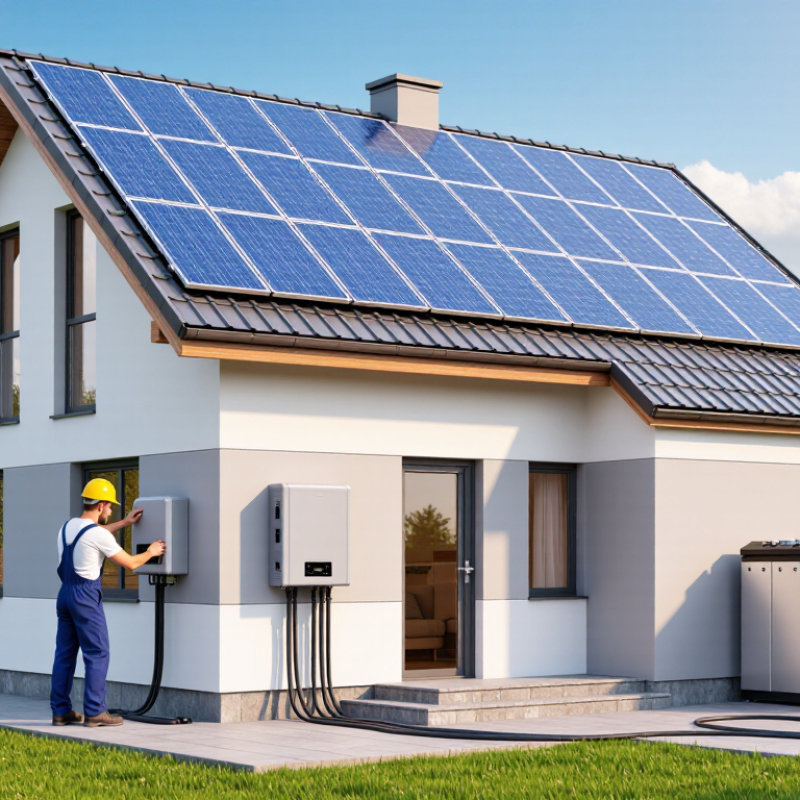
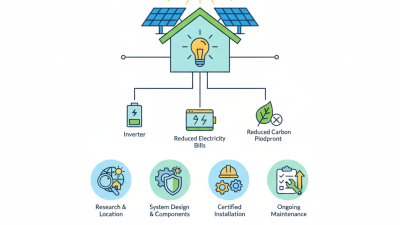
Sunlight starts the process. Solar panels contain photovoltaic cells that convert incoming light into direct-current electricity. Wires carry that power to an inverter, which changes it into alternating current for ordinary household circuits. A refrigerator can then draw solar power while the sun is shining. Simple, but not magic.
A grid-connected system can use electricity from the utility when panels produce too little. When production exceeds household demand, surplus power may flow to the grid, depending on the setup and local arrangements. A battery stores some extra electricity for later use. It adds backup potential, but also cost, space needs, and conversion losses. Batteries are not essential for every home.
System output changes with cloud cover, panel angle, shade, and seasonal daylight. A chimney shadow across one panel can matter more than expected. The inverter and safety equipment also affect how power moves through the home. During a grid outage, many standard grid-connected systems shut down to protect utility workers; backup requires equipment designed to operate safely apart from the grid. A careful site assessment should check the roof, wiring, and typical electricity use. Estimates can still miss real-world shade or changing habits. That uncertainty deserves a second look.
Solar electricity systems in 2026 generally fall into three practical types: grid-tied, off-grid, and hybrid. Each combines panels and an inverter, but handles surplus power and outages differently. A grid-tied system sends excess electricity to the utility network, where local rules determine how credits or compensation work. It is often the simplest fit for homes with reliable grid service. No battery is required.
An off-grid system operates independently, using batteries to supply power after sunset or during cloudy weather. Owners must size storage around real electricity use, not panel count alone. A refrigerator, well pump, and winter heating can drain a battery bank quickly. This option suits remote cabins, but it needs careful planning and backup capacity. Small mistakes matter. Battery replacement and seasonal sunlight deserve honest attention.
Hybrid systems connect to the grid and include battery storage. They can keep selected circuits running during an outage, such as lights, internet equipment, and a refrigerator. Yet backup depends on system design; a battery does not automatically power an entire house. Before choosing, compare expected evening use, roof shade, panel orientation, and the installer’s load calculation. Ask what happens during a winter outage, not only on a sunny afternoon. That question can expose assumptions.
When comparing solar electricity systems in 2026, start with the energy your household actually uses. Review a year of bills and note seasonal changes, such as heavier air-conditioning use in summer. Then compare usable battery capacity, continuous power output, and expected daily production—not just panel wattage. A battery may store plenty of energy but still struggle to run several appliances at once.
Check how each proposal accounts for roof direction, shade, local weather, and future household needs. Ask whether quoted production estimates include system losses, and compare warranty coverage for panels, inverters, and batteries separately. Installation quality and clear monitoring tools also matter. Small details matter. A polished estimate is not proof that its assumptions fit your home; I would want those assumptions explained in writing.
Tips: Ask for the estimated yearly output and usable storage in plain language. Compare total installed cost, expected maintenance, and any costs excluded from the quote. If you can, record your meter readings before installation; they provide a useful baseline later. Don’t assume the biggest system is best. A smaller system sized around your roof and daily use may be the more practical choice.
Best Solar Electricity Systems for Different Needs
The best system depends on what your home needs most: lower bills, backup power, or room to expand. For a small roof and steady daytime use, a grid-connected system without a battery can keep costs simpler. Lawrence Berkeley National Laboratory’s Tracking the Sun 2024 report found a median installed residential price of about $3.3 per watt for systems installed in 2023. Local quotes can differ sharply. Roof age matters, too.
If outages are a concern, consider solar paired with a battery—but size it for essential loads, not every appliance. A refrigerator, lights, and internet use much less power than an electric oven or central air conditioner. For homes with high daytime consumption, a larger array may be more useful than a larger battery. The trade-off is real. SEIA and Wood Mackenzie reported that solar supplied 53% of new U.S. electricity-generating capacity added in 2023, showing how widely the technology is being adopted. That figure does not guarantee the same savings for every household.
Tips: Ask installers to model your hourly usage and show estimated winter production. Check whether the battery can power your chosen circuits during an outage. I would also compare roof repairs with solar costs before signing; that step is easy to overlook. A neat estimate can still miss the shade from one growing tree.
Choosing a solar electricity system in 2026 means comparing the installed design, not just panel ratings. For a U.S. home, Berkeley Lab’s Tracking the Sun 2024 report put the median residential installation price near $3.1 per watt for systems installed in 2023, before incentives. Treat that as a reference, not a quote. Roof pitch, electrical upgrades, shading, and battery storage can shift the final price. Ask for an itemized proposal showing system size, estimated annual production, equipment warranties, and any extra electrical work. Compare the same details across installers.
Installation quality shapes long-term performance. A careful site assessment should note nearby trees, roof condition, and where afternoon shadows fall. Small details matter. NREL’s review of photovoltaic degradation research found a median panel degradation rate of about 0.5% per year, though actual rates vary by climate and system. That figure is useful for planning, not a guarantee. Dust, heat, inverter faults, or poor wiring can reduce output sooner. I would not treat a warranty as proof of steady production; it may cover equipment, while actual energy yield depends on the whole installation. Ask how production will be monitored and what service visits cost. A modest, well-installed system may suit a home better than a larger one with avoidable shading.
| System Type | Best Suited For | Typical Installed Cost (U.S.) | Typical Annual Output | Backup During an Outage | Long-Term Performance | Key Considerations |
|---|---|---|---|---|---|---|
| Grid-connected solar PV | Homes with reliable utility service that want to reduce purchased electricity | About $2.50–$3.50 per watt; roughly $15,000–$21,000 for a 6 kW system, before applicable incentives | About 7,200–10,200 kWh for a 6 kW system in many U.S. locations | No. A standard grid-tied system typically shuts down during an outage for line-worker safety | Panels commonly carry 25-year performance warranties; many continue producing beyond that, with gradual output decline | Output depends on sunlight, roof orientation, shading, local weather, and utility compensation rules |
| Grid-connected solar PV with battery storage | Homes seeking backup power, greater evening use of solar electricity, or reduced exposure to time-based rates | Solar cost plus approximately $10,000–$20,000 for a typical home battery installation; configuration and capacity affect the total | Solar output is similar to a comparable PV-only system; the battery shifts some electricity to later hours but does not create energy | Yes, if the system includes compatible backup equipment and is configured to supply selected loads or the home | PV panels often have 25-year performance warranties; batteries commonly have 10-year warranties, subject to usage and warranty terms | Battery capacity, power rating, usable capacity, installation complexity, and replacement timing influence value |
| Hybrid solar system with storage-ready inverter | Households that want solar now and the option to add a battery later | Usually similar to grid-connected PV, though equipment and wiring choices can add upfront cost; future battery installation is additional | About 1,200–1,700 kWh per installed kW per year across many U.S. locations | Not automatically. Backup generally requires a battery and suitable transfer and backup circuits | PV performance follows the same gradual degradation pattern as other rooftop systems; inverter service life may be shorter than panel life | Confirm which battery types are compatible and whether adding storage later requires extra equipment or electrical work |
| Off-grid solar with battery storage | Remote properties without practical utility access or owners who require independent power | Often $25,000–$60,000 or more for a residential installation; larger storage, difficult sites, and backup generators can raise costs | Varies widely with array size and location; systems must be designed around seasonal demand and local solar resource | Yes, when the system is correctly sized and operating; a generator may be needed during extended low-sun periods | Panels can serve for decades, while batteries, inverters, and generators may need servicing or replacement earlier | Accurate load estimates, winter production, battery autonomy, and energy-saving measures are essential to system sizing |
| Community solar subscription | Renters, apartment residents, or property owners whose roof is unsuitable for solar panels | Usually no rooftop installation cost; subscription charges and bill-credit terms vary by program | Credits depend on the project’s production and the subscriber’s allocated share; no on-site system is installed | No. A subscription does not provide household backup power | Performance depends on the shared project and the program’s operating and billing terms, rather than household equipment | Check cancellation rules, fees, bill-credit calculations, and whether savings are guaranteed or variable |
Notes: Cost and production figures are broad U.S. planning ranges, not quotes or guarantees. A common production estimate is approximately 1,200–1,700 kWh per installed kW per year, but local climate, shading, system design, and maintenance can substantially affect results. Installed prices vary by location, roof condition, electrical work, equipment, and project size. Incentives and utility rules change; verify current eligibility and local requirements before purchasing.