Future Solar Energy Technologies That Will Transform Our Planet?
As global energy demands rise, the significance of future solar technologies becomes paramount. According to a recent report by the International Energy Agency, solar energy could provide over 25% of global electricity by 2030. Experts believe that advancements in photovoltaic cells and energy storage will drive this transformation.
Dr. Emily Vargas, a leading researcher in solar innovations, states, "The future solar landscape will be shaped by breakthroughs in efficiency and accessibility." This sentiment highlights the urgent need for investment in renewable resources. Companies are exploring solar windows and high-efficiency panels, but challenges remain.
While the potential is vast, both technological and market barriers exist. Consumer adoption rates vary widely. The integration of solar technologies into existing infrastructures poses logistical challenges. The journey towards a solar-powered future is complex and requires serious consideration of these hurdles.
Emerging Innovations in Solar Panel Technology
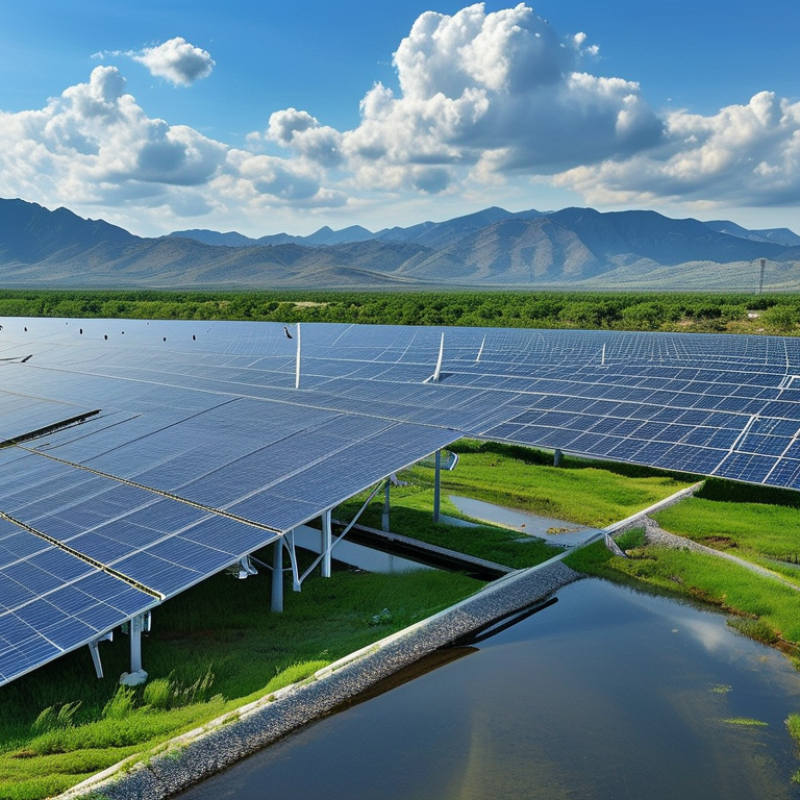
Emerging innovations in solar panel technology offer a glimpse into a sustainable future. New materials like perovskite aim to improve efficiency. Researchers are developing cells that can convert more sunlight into energy. These advances could double current efficiency levels.
Flexible solar panels are changing the game for integration. They can be applied to various surfaces, from windows to clothing. This flexibility opens new energy generation options. However, durability remains a concern. Will these panels withstand harsh weather conditions over time?
Furthermore, solar tracking technology is evolving. Modern systems can adjust to the sun’s position. This could lead to significant energy gains throughout the day. Yet, installation complexity and maintenance might pose challenges. These innovations highlight both potential and growing pains. They invite reflection on what sustainable energy truly means for our planet.
Future Solar Energy Technologies That Will Transform Our Planet?
| Technology |
Description |
Efficiency (%) |
Developing Stage |
| Bifacial Solar Panels |
Panels capable of absorbing sunlight from both sides, enhancing energy output. |
20-24 |
Commercial |
| Perovskite Solar Cells |
An emerging class of materials that promise higher efficiency and lower costs. |
15-20 |
Research |
| Bifacial Solar Panels |
Panels capable of absorbing sunlight from both sides, enhancing energy output. |
20-24 |
Commercial |
| Solar Skins |
Aesthetic panels that can be designed to blend with rooftops for improved visual appeal. |
15-17 |
Commercial |
| Integrated Solar Modules |
Solar panels integrated directly into building materials for seamless installation. |
10-15 |
Prototype |
Advancements in Solar Energy Storage Solutions
Advancements in solar energy storage solutions are crucial for the future of renewable energy. Traditional solar panels generate power, but storing that energy remains a challenge. New technologies are emerging, aiming to solve this issue. Improved battery systems are being developed to store excess energy for later use.
One promising area is the use of lithium-sulfur batteries. These batteries offer a higher energy density compared to conventional lithium-ion batteries. They can store more energy in a smaller volume. This could make solar energy more accessible in remote areas. Another innovative approach involves flow batteries, which allow for scalable energy storage. These systems can be constructed to meet specific energy needs, providing flexibility.
However, there are challenges. Developing efficient and long-lasting storage solutions is not easy. Some existing technologies face issues with degradation over time. Researchers are actively working on improving the lifespan and efficiency of these systems. While the future looks bright, reflection on current limitations is essential to achieve sustainable solar energy solutions.
The Role of Solar Energy in Sustainable Urban Development
Solar energy plays a crucial role in sustainable urban development. As cities expand, renewable energy sources become vital. Reports suggest that urban areas consume over 75% of the world's energy. Transitioning to solar energy can significantly reduce this dependency. In fact, solar power can provide around 30% of urban electricity needs by 2030. This transition is not only environmentally friendly but also economically viable.
A key factor is the integration of solar technology into urban design. Implementing solar panels on rooftops can transform unused spaces into energy-producing assets. Studies show that cities with robust solar initiatives see a decrease in energy costs for residents. However, cities face challenges in retrofitting older buildings and accessing upfront investment.
Tips: Engage local communities to support solar initiatives. Their involvement can lead to successful implementation. Also, consider mixed-use developments that combine residential and commercial spaces, maximizing energy efficiency. Finding partnerships can ease financial burdens, making solar energy adoption more attainable for sustainable urban growth.
Integration of Solar Energy with Smart Grid Systems
The integration of solar energy with smart grid systems stands as a pivotal development in renewable energy. Smart grids enhance the efficiency of solar energy utilization. According to a report by the International Renewable Energy Agency (IRENA), solar energy could supply 30% of global electricity by 2030. This potential underscores the need for advanced infrastructure.
Smart grids can facilitate two-way communication between energy producers and consumers. They enable real-time data sharing. This assists in optimizing energy distribution and minimizes wastage. A report by the U.S. Department of Energy estimates that smart grid technologies can reduce costs by up to 15%. However, implementation is not without its challenges. Outdated grid systems in many regions may hinder integration efforts.
The synergy of solar energy and smart grids presents opportunities and complications. There’s a need for consistent standards and regulations. Market penetration requires significant investment. Studies from the National Renewable Energy Laboratory indicate that smart solar technologies must evolve to address grid variability. Finding the right balance between innovation and existing infrastructure remains essential for a successful transition.
Future Solar Energy Technologies Integration with Smart Grid Systems
This chart displays the projected efficiency improvements in solar energy technologies integrated with smart grid systems over the next decade. The integration of these technologies is expected to significantly enhance energy management and distribution.
Future Trends in Solar Energy Policy and Investment Strategies
The solar energy sector is evolving rapidly.
Policymakers around the world are recognizing the need for
sustainable practices.
Investment strategies are increasingly focused on
clean energy technologies.
Governments are implementing incentives for solar energy projects.
These projects can provide
job opportunities
and stimulate local economies.
In the United States and Europe, there is a strong push towards
renewable energy investments.
Funding is shifting from fossil fuels to solar initiatives.
This transition is essential for
meeting climate goals.
However, the pace of policy adaptation varies widely across regions.
Some areas lag behind, leaving potential solar projects unfulfilled.
Policymakers must prioritize focused training programs to cultivate
a skilled workforce.
Investments in solar technology are not without challenges.
Initial costs can be high, deterring some investors.
Additionally, outdated regulations may hinder innovation.
Decision-makers need to confront these barriers.
It’s crucial to create a
collaborative environment
among stakeholders. Transparency and communication can drive the adoption
of solar technologies.
The commitment to improving policies will lead to a
brighter future
for solar energy.