Top 10 Solar Energy Systems for Global Buyers in 2026?
As we approach 2026, the demand for solar energy systems continues to soar globally. According to the International Energy Agency (IEA), solar power will dominate the renewable energy market, with projected installations exceeding 1,200 GW that year. This unprecedented growth reflects a shift towards sustainable energy sources as countries aim to reduce carbon footprints.
Industry expert Dr. Emily Thompson, a leading voice in solar technology, emphasizes the transformative potential of these systems. She states, "The future of energy lies in innovative solar energy systems that empower communities." This insight echoes the needs of buyers looking for reliable solutions amidst a market filled with options.
However, the challenge remains in distinguishing quality products from subpar alternatives. Many systems claim efficiency and longevity, but performance can vary significantly. It's crucial for global buyers to conduct thorough evaluations and seek reliable sources of information. As the market evolves, staying informed about advancements is vital. The selection process must be meticulous to ensure both value and sustainability for the future.
Overview of Solar Energy Systems in 2026
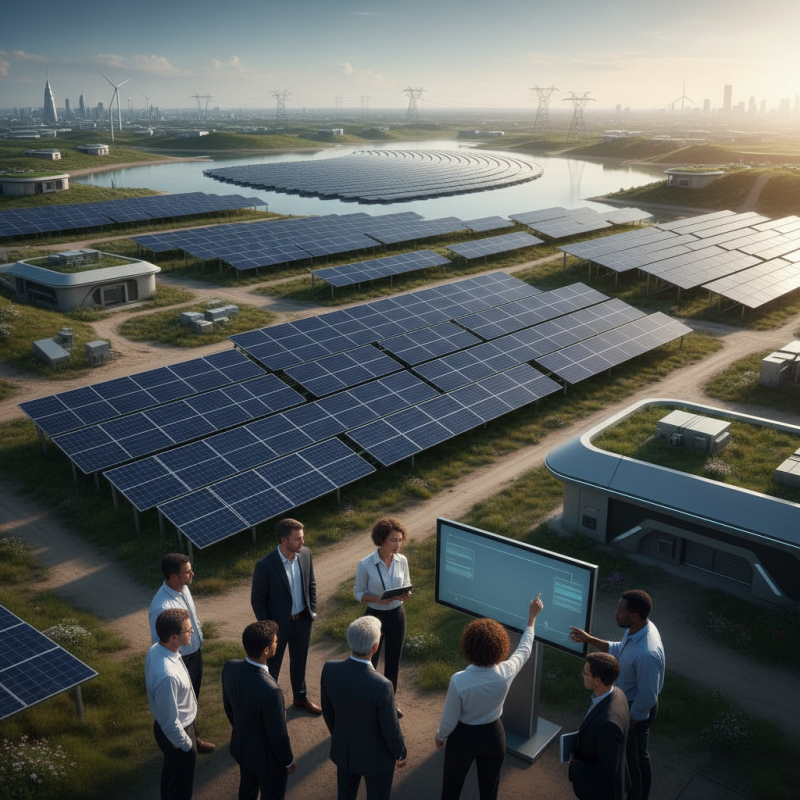
In 2026, solar energy systems are set to play a pivotal role in global energy transitions. The International Energy Agency (IEA) projects that solar power could supply 30% of the world's electricity by 2030. This trend reflects the increasing affordability of solar panels and the rising demand for clean energy solutions. A recent report indicates that the cost of solar energy systems has decreased by over 80% since 2010, making them more accessible to a broader audience.
Consider these tips when exploring solar energy systems. Always evaluate your energy needs first. Look for systems that offer scalability and flexibility. Technological advancements are continuous, and choosing a system that can adapt to future innovations is essential. Reliability is key; systems with proven track records in various climates typically perform better.
Additionally, some challenges are worth contemplating. Installation costs and maintenance are often overlooked factors. Despite low operational costs, many buyers find the initial investment daunting. Understanding local regulations and incentives can aid in navigating these obstacles. The market in 2026 promises innovations, yet awareness of potential pitfalls remains crucial for informed decisions.
Key Factors Influencing Solar Energy System Choices
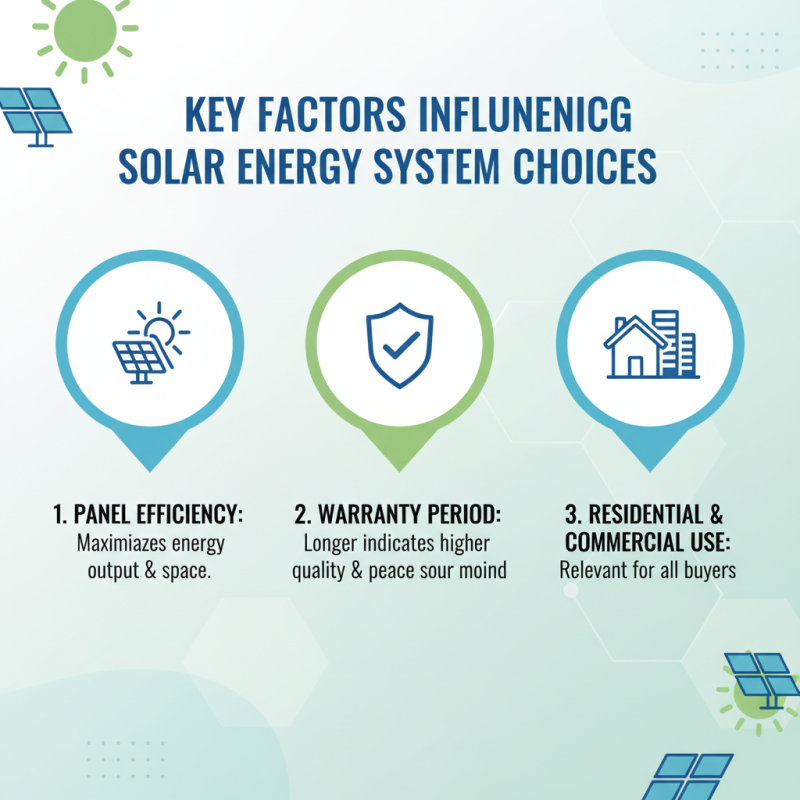
When considering solar energy systems, buyers should focus on several key factors. The efficiency of solar panels is crucial. More efficient panels convert sunlight into electricity better, saving space and maximizing energy output. Take into account warranty periods too. Longer warranties often indicate higher-quality products. This offers peace of mind for both residential and commercial users.
Cost is another significant aspect. Initial investment might be high, but long-term savings are substantial. Consider installation costs along with financing options. Also, analyze local regulations and incentives. These can greatly affect overall affordability. The geography of the installation site matters. Areas with more sunlight will yield better returns on solar investments.
Another factor is the system’s durability. A well-built system withstands harsh weather. Buyers must research materials and technologies used. The user experience adds value too. Checking reviews can highlight performance issues. Persistent problems can be a red flag. Finally, compatibility with existing infrastructure is essential. Systems should integrate seamlessly with current energy setups. Thoughtful selections can lead to a more sustainable future.
Top 10 Solar Energy Systems: Features and Benefits
In 2026, solar energy systems will play a crucial role in the global energy market. These systems come with various features and benefits that cater to diverse consumer needs. Understanding these aspects can aid buyers in making informed decisions.
One significant feature to consider is efficiency. Many modern solar panels convert sunlight into electricity with high efficiency rates. This means more energy generation with less space. Buyers benefit from reduced electricity bills and lower carbon footprints. Additionally, advanced storage solutions enable homeowners to utilize solar energy even during cloudy days.
Tips for potential buyers: Analyze your energy needs carefully to choose the right system size. Consider local climate conditions when assessing efficiency. Installation quality matters too; ensure your system is installed by certified professionals.
Warranties also provide valuable insights. Top systems usually offer extensive warranties, ensuring reliability over time. However, be cautious—some warranties may seem appealing but come with hidden clauses. Research thoroughly to avoid unpleasant surprises.
In the ever-evolving solar market, some features may become outdated quickly. Staying updated with industry trends is essential. Join community forums or follow reputable solar energy blogs to gather insights and experiences from other users.
Top 10 Solar Energy Systems for Global Buyers in 2026
| System Type |
Power Output (kW) |
Efficiency (%) |
Warranties (Years) |
Estimated Cost (USD) |
Features |
| Monocrystalline |
300 |
22 |
25 |
1500 |
High efficiency, space-saving |
| Polycrystalline |
280 |
18 |
25 |
1200 |
Cost-effective, robust |
| Thin Film |
250 |
12 |
20 |
900 |
Flexible, lightweight |
| Bifacial |
315 |
24 |
30 |
1800 |
Dual-sided energy generation |
| Building-integrated |
350 |
20 |
25 |
2000 |
Aesthetic, multifunctional |
| Concentrated PV |
400 |
30 |
25 |
2500 |
High performance under direct sunlight |
| Solar Panel Combo |
320 |
22 |
25 |
1600 |
Maximized energy output |
| Smart Solar Systems |
300 |
23 |
20 |
1700 |
Integrated battery systems, IoT |
| Hybrid Systems |
350 |
25 |
25 |
2200 |
Combines solar with wind or grid |
| Solar Tracker |
400 |
27 |
25 |
3000 |
Increased exposure to sunlight |
Comparative Analysis of Pricing and Efficiency
When considering solar energy systems, pricing and efficiency are critical factors. Buyers should evaluate various systems in terms of their power output relative to cost. In 2026, these attributes will be more significant than ever. Premium options may promise higher efficiency, but at a price. Budget systems might lure consumers with lower costs but could underperform.
Many consumers overlook the long-term savings potential of investing in a more efficient system. Higher upfront costs can be daunting. However, the reduction in energy bills can offset this in the long run. Efficiency ratings can guide choices, but they often vary based on environmental conditions. Real-world performance can deviate from manufacturer claims.
Data suggest that many buyers fail to account for installation costs. These can add significantly to overall expenses. Each region presents unique environmental challenges affecting efficiency. It's vital for buyers to research local conditions. Questions about warranties and durability also deserve attention. Making informed decisions in solar investments is crucial for maximizing both utility and value.
Top 10 Solar Energy Systems: Pricing and Efficiency Comparison (2026)
Future Trends in Solar Energy Technology and Market Expansion
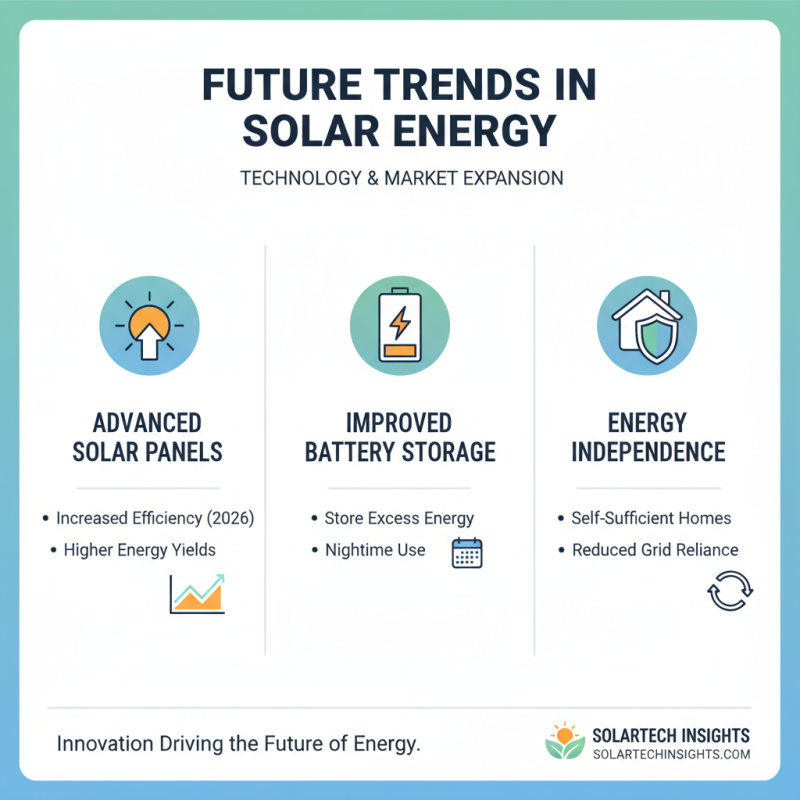
The future of solar energy technology is bright. Innovations are rapidly evolving, affecting how energy is harnessed and stored. Advanced solar panels with increased efficiency are set to dominate the market by 2026. These panels will convert sunlight to electricity more effectively, ensuring higher energy yields. Battery storage solutions are also improving. They will allow consumers to store excess energy for nighttime use, enhancing energy independence.
Smart technologies are becoming crucial in solar energy systems. Automated energy management systems will enable users to optimize their energy consumption. These advancements make solar energy more accessible and reliable for global buyers. However, challenges remain. The integration of solar power into existing grids can be complex. Regulatory hurdles could slow the adoption of new technologies.
Market expansion is inevitable, but it requires collaboration among various stakeholders. Developers, policymakers, and consumers must work together. Education about solar benefits is essential to increase acceptance. The future should also focus on recycling and sustainability of solar components. While growth is promising, ongoing adjustments will be essential for success in this dynamic industry.