Top 10 Hydrogen Refueling Stations to Explore at Canton Fair 2026?
As the world transitions towards sustainable energy, Hydrogen Refueling Stations are gaining importance. The global hydrogen market is projected to reach $200 billion by 2025, showcasing an increasing investment in this technology. The rise of fuel cell vehicles demands reliable refueling infrastructure. Thus, exploring the top Hydrogen Refueling Stations at the Canton Fair 2026 becomes essential.
During the 139th Canton Fair, innovative technologies will be highlighted. From April 15 to May 5, the event will showcase advanced manufacturing and new materials. However, the focus on Hydrogen Refueling Stations cannot be overlooked. These stations not only support transportation but also align with environmental goals. They can help reduce carbon emissions and promote cleaner air.
Yet, challenges remain. Infrastructure development is still lagging behind production capabilities. Many regions lack sufficient stations, creating gaps for potential users. The successful integration of these stations relies on strategic planning and investment. Engaging discussions at the Canton Fair will undoubtedly address these hurdles. Exploring solutions now can pave the way for a more sustainable future.
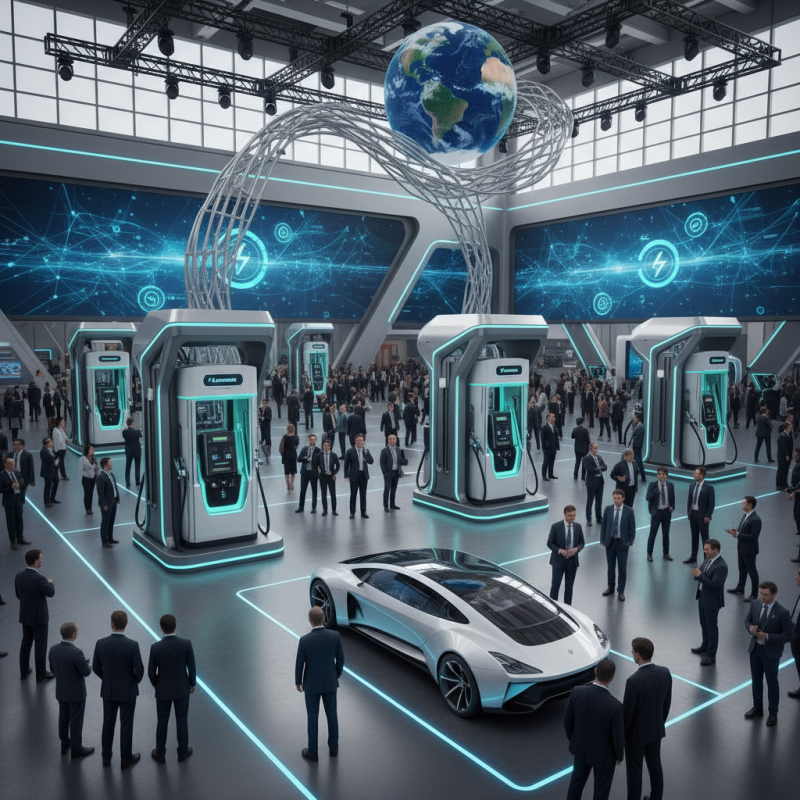
Overview of Hydrogen Refueling Stations at Canton Fair 2026
The Canton Fair 2026 will feature a range of innovative hydrogen refueling stations. These stations will showcase advanced technologies, promising greener energy solutions. Attendees can observe the capabilities of hydrogen compression and storage systems. The design of these stations varies, highlighting unique approaches to sustainability.
Visitors can interact with the technology and understand its real-world applications. Some stations will have interactive displays. This hands-on experience allows for deeper engagement. However, there are concerns about the infrastructure readiness in many areas. Challenges exist in the widespread adoption of hydrogen as a fuel source.
Despite these concerns, the potential benefits are significant. Cleaner emissions and an alternative to fossil fuels make hydrogen appealing. Attendees at the fair can think critically about how to address these challenges. The future of hydrogen energy depends on collaboration and investment in infrastructure.
Innovative Technologies Featured in Hydrogen Refueling Stations
Hydrogen refueling stations are gaining traction as key components of sustainable energy infrastructure. Canton Fair 2026 will showcase diverse technologies in this area. Reports indicate that hydrogen can drive down emissions by up to 90% when compared to traditional fuels. This presents a significant opportunity for innovation.
One innovative technology focuses on electrolyzers. These devices split water into hydrogen and oxygen. According to industry studies, improved electrolyzers can increase efficiency to over 80%. However, many still face challenges like high energy costs and long return on investment periods. Designers need to make these systems more affordable.
Another area of development is storage solutions. Storing hydrogen gas requires high pressures or cryogenic temperatures. Recent advances are promising, yet the infrastructure is incomplete. In tests, some storage systems have shown leaks. This needs careful improvement to ensure safety. The road ahead is complex, but the potential for clean energy is too valuable to ignore.
Environmental Benefits of Hydrogen Fueling Infrastructure
Hydrogen fueling infrastructure holds significant environmental benefits. It offers a clean alternative to fossil fuels. With proper implementation, it can reduce greenhouse gas emissions. This contributes to a healthier planet. Imagine vibrant cities with less air pollution. Cleaner air enhances public health and well-being.
However, while the potential is promising, challenges persist. Infrastructure development requires substantial investment. Some areas lack the technological capability to produce hydrogen sustainably. Education is essential to inform the public about the advantages of hydrogen fuel. Awareness leads to wider adoption and acceptance in communities.
As we look to the future, it is vital to address these obstacles. Engaging stakeholders will be crucial. Planning needs to be extensive and detailed. Lawn signs or billboards alone won't suffice. Collaboration among governments, businesses, and citizens can foster a supportive environment. Sustainable growth in hydrogen fueling can reshape our transportation landscape for generations to come.
Key Players in the Hydrogen Refueling Market at the Fair
The hydrogen refueling market is rapidly evolving. Key players are emerging as the world shifts towards sustainable energy. According to recent market analysis, the hydrogen fuel cell market is projected to reach $32 billion by 2030.
At the Canton Fair 2026, industry leaders will showcase innovative refueling solutions. Many stations will support heavy-duty vehicles. Several prototypes aim for faster refueling times. Current average refueling takes about 15 minutes. This duration can be improved further.
Participants at the fair will highlight the importance of infrastructure. Refueling stations are critical for widespread adoption of hydrogen fuel. Reports indicate that the number of hydrogen refueling stations will double in the next five years. Breaching the barrier of accessibility is crucial. However, challenges remain, such as high costs and limited public awareness. The industry must address these issues moving forward.
Future Trends in Hydrogen Refueling Stations and Their Impact
The future of hydrogen refueling stations is vibrant and evolving. As the world moves towards greener energy, these stations play a crucial role. They provide clean fuel for fuel cell vehicles. In places like the Canton Fair 2026, innovative designs and technologies will emerge. Expect more compact stations that occupy less space and use renewable energy sources.
New trends in hydrogen production are on the rise. Electrolyzers are becoming more efficient, minimizing energy loss during hydrogen generation. However, infrastructure challenges remain. Many regions have limited refueling options. This gap can hinder the adoption of hydrogen vehicles. Fewer stations can mean longer travel distances and anxiety for potential users.
Moreover, education and awareness are essential. Many people are still unfamiliar with hydrogen technology. Workshops and demonstrations at events could bridge this gap. Attendees at the fair may discover useful insights. Addressing safety concerns is also vital for public acceptance. Clear guidelines and regulations will help build trust in this clean energy source.
Top 10 Hydrogen Refueling Stations to Explore at Canton Fair 2026