Top Energy Solutions for Global Buyers in 2026?
As the global energy landscape rapidly evolves, the search for innovative energy solutions is paramount. In 2026, businesses will prioritize sustainable practices. They must adapt to changing regulations and consumer demands. This shift requires a keen understanding of energy solutions that are both effective and environmentally friendly.
The rise of renewable energy sources is reshaping the market. Solar, wind, and bioenergy are more popular than ever. These technologies promise reliability, but they also bring challenges. Integration and storage remain significant hurdles for many businesses. Moreover, companies must assess the cost-effectiveness of these energy solutions while maintaining competitive advantages.
In exploring energy solutions, global buyers need guidance. The varied options can be overwhelming. Knowledgeable professionals should lead this discourse, ensuring informed decisions. Balancing innovation with practicality is critical. Reflecting on past choices will sharpen future strategies. As we approach 2026, the significance of energy solutions will only grow.
Emerging Renewable Energy Technologies for 2026
As we look ahead to 2026, the renewable energy landscape is changing rapidly. New technologies are emerging that promise to reshape energy consumption globally.
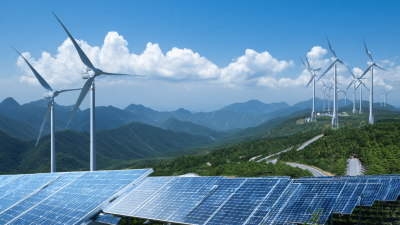
Solar energy is no longer just for homes. Advanced photovoltaic cells can now harness energy more efficiently. Countries are investing in solar farms that produce vast amounts of clean energy. However, the production process still raises questions about sustainability.
Wind energy is also evolving with larger, more efficient turbines. Offshore installations are becoming common. These projects generate substantial power while minimizing land use. The challenge remains, though, in ensuring these installations do not disrupt marine ecosystems. Solutions need to be carefully evaluated.
Hydrogen technology is gaining traction as well. Green hydrogen is seen as a game changer. It offers a clean energy source, especially in industries that are hard to decarbonize. Nonetheless, the infrastructure needed for hydrogen production and distribution is still in its infancy. The pathway forward requires innovation but also a critical examination of potential pitfalls. Balancing advancements with environmental impact is crucial for sustainable growth in this sector.
Market Trends Shaping Energy Purchase Decisions for Global Buyers
In 2026, global buyers are navigating a rapidly evolving energy market. A major trend is the shift towards renewable sources. Buyers are increasingly seeking solar, wind, and hydroelectric energy solutions. These choices come from a desire for sustainability and lower carbon footprints. But challenges remain. Infrastructure for renewables can be inconsistent in certain regions, raising concerns about reliability.
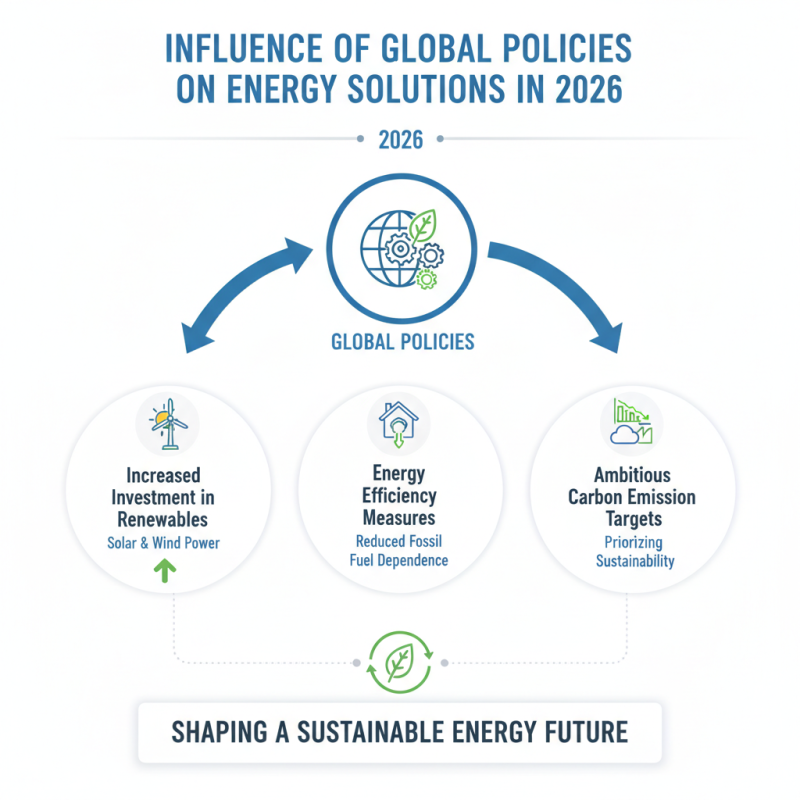
Price volatility is another significant factor influencing purchase decisions. Buyers must balance cost and energy reliability. This can lead to difficult choices between short-term savings and long-term sustainability. Moreover, regulatory changes can impact energy availability. Staying informed about these evolving policies is crucial.
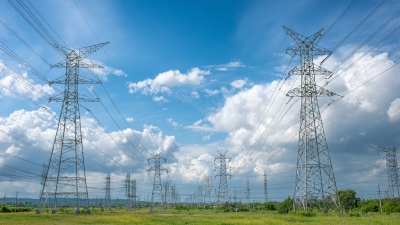
Buyers are also focusing on technology integration. Advanced solutions like smart grids and energy storage systems offer improved efficiency. Yet, the implementation of such technologies is not without its complications. Integration costs and technical challenges can deter some buyers. Developing a robust energy strategy requires careful consideration and ongoing evaluation.
Top Energy Solutions for Global Buyers in 2026
| Energy Source |
Growth Rate (%) |
Market Share (%) |
Key Trends |
| Solar Energy |
25 |
30 |
Increased efficiency, reduced costs |
| Wind Energy |
20 |
25 |
Innovation in turbine technology |
| Natural Gas |
5 |
20 |
Transition fuel for cleaner energy |
| Hydrogen |
15 |
10 |
Growing investments in green hydrogen |
| Biomass |
10 |
5 |
Sustainable waste-to-energy solutions |
Sustainable Energy Sources: Benefits and Challenges for 2026 Buyers
Sustainable energy sources are pivotal for buyers in 2026, offering both opportunities and challenges. According to a report from the International Energy Agency (IEA), renewable energy could supply over 80% of global electricity by 2050. However, the transition isn't without hurdles. The initial investment costs can be substantial, causing hesitation among stakeholders.
Transitioning to solar, wind, and other renewables requires infrastructure upgrades. The World Bank estimates that about $3 trillion in investments will be necessary to develop sustainable energy grids worldwide. Many buyers report difficulty in navigating regulatory frameworks, which can vary greatly by region. Also, the intermittency of some renewable sources poses reliability issues, making backups essential.
On the other hand, the benefits are clear. Sustainable energy greatly reduces carbon footprints. Additionally, buyers can access long-term cost savings. A recent study highlighted that wind power costs have dropped by 70% since 2009, making it a viable option for various sectors. Buyers must weigh these benefits against the realities of initial challenges. It’s a complex landscape requiring careful strategy and planning.
Innovations in Energy Storage Solutions and Their Impact on Buyers
The energy sector is rapidly evolving. Innovations in energy storage solutions are at the forefront of this change. These advancements are reshaping how buyers approach their energy needs. They offer the promise of more reliable and efficient energy systems.
With renewable energy sources surging, the demand for effective storage solutions has increased. Buyers today seek systems that not only store energy but also release it efficiently. Innovations like advanced lithium-ion batteries and solid-state storage technologies are gaining attention. However, these technologies can be costly and may not be accessible to every buyer.
Another area of focus is sustainability. Buyers are increasingly considering the environmental impact of their choices. While some storage solutions are touted as green, their life cycle and disposal methods often raise questions. Buyers must weigh the benefits against potential drawbacks. Reflecting on these aspects can lead to better decision-making in the energy landscape of 2026.