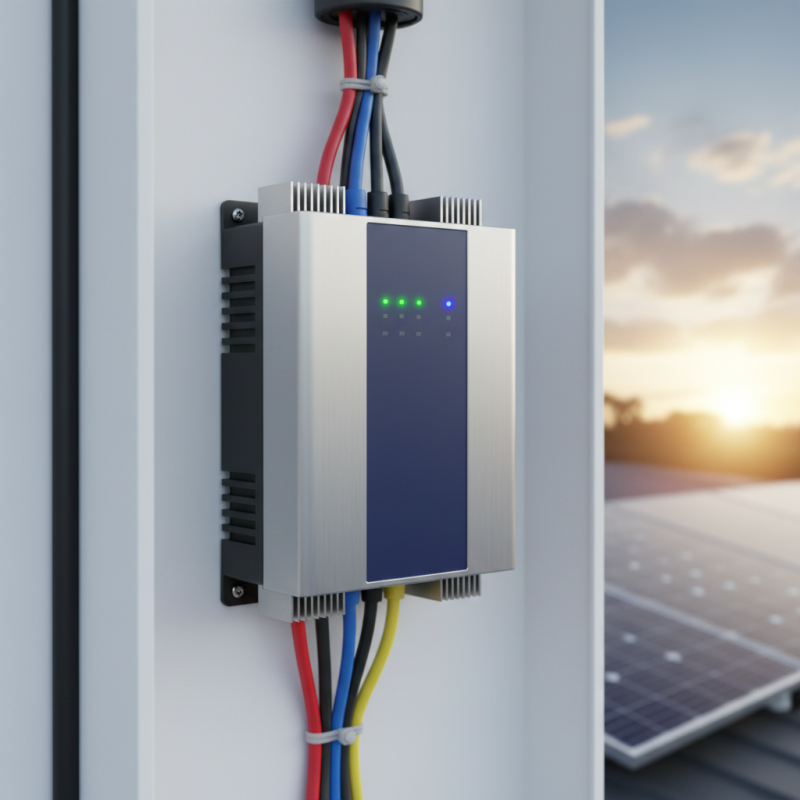
What is a Solar MPPT controller and how does it work?
A Solar MPPT controller plays a crucial role in solar energy systems. It optimizes the power output from solar panels. This efficiency is vital for both residential and commercial applications.
Understanding how a Solar MPPT controller works can illuminate the benefits of using one. It tracks the maximum power point of the solar panels. This process maximizes energy harvest, especially in varying sunlight conditions. A well-functioning controller can significantly impact the performance of a solar setup.
Many users may overlook the importance of this technology. Misunderstanding its function could lead to inefficient systems. This oversight might hinder the potential benefits of solar energy. It's essential to grasp how the Solar MPPT controller operates and its significance in maximizing energy output.
What Is a Solar MPPT Controller and Its Role in Solar Systems?
A Solar MPPT Controller plays a crucial role in solar energy systems. It maximizes the power output from solar panels by adjusting the electrical operating point. This technology is often overlooked, yet it can improve efficiency significantly.
MPPT stands for Maximum Power Point Tracking. It constantly monitors the voltage and current from solar panels. By adjusting the load, it ensures that the panels operate at their optimal point. This process can increase energy production by up to 30%. However, some users might not fully understand its operations. It's common to underestimate how much this controller impacts overall performance.
Many factors affect how well an MPPT controller works. Temperature, shading, and panel orientation can alter efficiency. Users should regularly check these variables. Occasionally, systems may underperform due to faulty connections or outdated technology. Staying informed can help in maintaining performance. Ultimately, a Solar MPPT Controller is more than just a component; it's essential for maximizing energy harnessed from the sun.
Understanding the Basics of Maximum Power Point Tracking Technology
Maximum Power Point Tracking (MPPT) is a technology used in solar power systems. It helps to optimize the energy output from solar panels. According to a report by the National Renewable Energy Laboratory (NREL), MPPT can increase energy harvest by 20% to 50% compared to conventional systems. This efficiency can be vital for homeowners and businesses alike.
An MPPT controller monitors the voltage and current from the solar panels. It continuously adjusts the electrical operating point to ensure maximum power is being extracted. In real-world situations, varying weather conditions and panel orientations can complicate this process. Sometimes, MPPT controllers may not function as efficiently as expected due to shading or temperature changes. These factors can reduce the overall performance by up to 15%.
Understanding how MPPT works is crucial for effective solar system management. Users often overlook the need for regular maintenance. Neglecting to check panel cleanliness or connections can lead to energy loss. In practice, some systems fail to utilize MPPT fully due to improper setup or technical issues. Learning from these challenges can enhance the long-term efficacy of solar installations.
Key Features and Components of Solar MPPT Controllers
A Solar MPPT (Maximum Power Point Tracking) controller is essential for efficient solar power systems. It optimizes energy harvest from solar panels. The key components include the power converter, microcontroller, and control algorithms. These parts work together to adjust the electrical load and extract maximum energy.
MPPT controllers continually monitor solar panel output. They respond to changing sunlight conditions. This adaptability is crucial for maximizing energy conversion. The result is more power reaching your batteries or grid. Some controllers provide detailed performance data. This feature aids in monitoring and troubleshooting.
Tip: Ensure your MPPT controller matches the voltage and current ratings of your solar array. An improper match can lead to inefficiency.
Many solar setups overlook wire quality. Poor quality wires can reduce efficiency. Always use appropriate gauge wires to minimize losses.
Tip: Regular maintenance of your solar system can significantly extend its lifespan. Clean the panels and check connections periodically. This simple habit can prevent larger issues down the line.
The Efficiency of MPPT Controllers: Industry Standards and Performance Metrics
MPPT (Maximum Power Point Tracking) controllers are pivotal in solar energy systems. They optimize the energy harvested from solar panels. Recent studies show that MPPT controllers can improve energy harvest by up to 30%. This increase is crucial, considering the fluctuating nature of solar energy.
Performance metrics are essential in assessing MPPT efficiency. The industry standard for efficiency typically hovers around 95-98%. However, some controllers may fall short. Factors like temperature and load conditions impact their effectiveness. In practice, this means that not all MPPTs perform equally. Some may struggle in high-temperature environments.
Moreover, a report indicates that mismatched systems could result in 15% energy loss. Such discrepancies emphasize the need for regular evaluations of these controllers. High-quality MPPT controllers can mitigate these issues, but constant monitoring remains vital. Trade-offs exist, and not every solution suits all conditions. Effectiveness can vary widely across different setups. Understanding these variables is key for optimal performance.
What is a Solar MPPT controller and how does it work?
| Parameter | Value |
| Input Voltage Range | 12V - 60V |
| Maximum Output Current | 20A |
| Efficiency | 95% - 98% |
| Temperature Range | -20°C to 60°C |
| MPPT Algorithm Type | Perturb and Observe |
| Protection Features | Overload, Over-Temperature, Short-Circuit |
| Communication Ports | RS232, USB |
Comparative Analysis: MPPT vs. PWM Charge Controllers in Solar Applications
When comparing MPPT and PWM charge controllers, it’s key to understand their fundamental differences. MPPT, or Maximum Power Point Tracking, optimizes solar energy capture. It constantly adjusts its input to find the peak voltage and current for maximum efficiency. This means more energy harvested from the same solar panel. In contrast, PWM, or Pulse Width Modulation, regulates the voltage to the battery but does so less efficiently. It often leaves potential energy unused.
However, PWM controllers are simpler and cheaper. They are suitable for small systems. If your solar setup is basic, PWM might suffice. But for larger installations, MPPT excels. Think about this: will a bit of extra initial cost yield greater returns in energy? It often does, especially in variable sunlight situations.
Installing MPPT may seem complicated. Some users find configuring it difficult. Yet, many appreciate the energy savings over time. Understanding both options is crucial. You can weigh the efficiency and costs against your specific needs. The right choice impacts your solar system's performance significantly, so make an informed decision.