Exploring the Future: How Solar Energy Systems Are Revolutionizing Sustainable Living
As the world grapples with the pressing challenges of climate change and resource depletion, solar energy systems have emerged as a transformative solution in the quest for sustainable living. According to the International Renewable Energy Agency (IRENA), the global capacity of solar power reached 830 gigawatts (GW) in 2019, with projections suggesting it could increase to over 4,000 GW by 2030. This rapid expansion underscores the growing recognition of solar energy as a viable and essential alternative to traditional fossil fuels. Furthermore, the U.S. Department of Energy states that solar energy systems not only provide substantial environmental benefits by reducing greenhouse gas emissions but also contribute to energy independence and job creation in the renewable sector. As individuals and communities explore innovative ways to integrate solar technology into their lifestyles, the potential for these systems to revolutionize sustainable living is becoming increasingly evident.

Advancements in Solar Technology: What’s New and What to Expect
The advancements in solar technology are rapidly transforming the landscape of sustainable living, with significant innovations paving the way for a greener future. One of the most exciting developments in recent years is the rise of transparent solar cells, which can be integrated into windows and building materials without compromising aesthetics. By harnessing sunlight while allowing natural light to flow into interiors, these cells offer a dual purpose, making them incredibly appealing for urban environments.
As the global market for transparent solar cells is projected to reach $89.88 million by 2032, with a compound annual growth rate (CAGR) of 18.40%, it is evident that demand is on the rise. This growth reflects a broader trend toward energy efficiency and sustainability, as individuals and businesses seek innovative ways to reduce their carbon footprint. The integration of solar technology into everyday life not only promotes eco-friendly practices but also inspires new architectural designs, creating buildings that are both functional and environmentally responsible. The future of solar energy systems is bright, driven by continuous advancements that enhance both their performance and accessibility.
Exploring the Future: Solar Energy Adoption Trends (2015-2023)
This chart illustrates the global solar capacity installed from 2015 to 2023, showcasing the rapid growth and adoption of solar energy systems worldwide.
Integrating Solar Energy Systems into Everyday Life: Practical Tips
Integrating solar energy systems into everyday life not only promotes sustainability but also contributes to significant cost savings. According to a report by the International Energy Agency, the global solar power capacity reached over 800 GW in 2020, and this number is expected to double by 2025. This rapid growth underscores the feasibility of solar energy for the average consumer. Homeowners can start small by installing solar panels, which can reduce electricity bills by up to 70%, while also increasing property value by approximately 4.1% on average, according to the National Renewable Energy Laboratory.
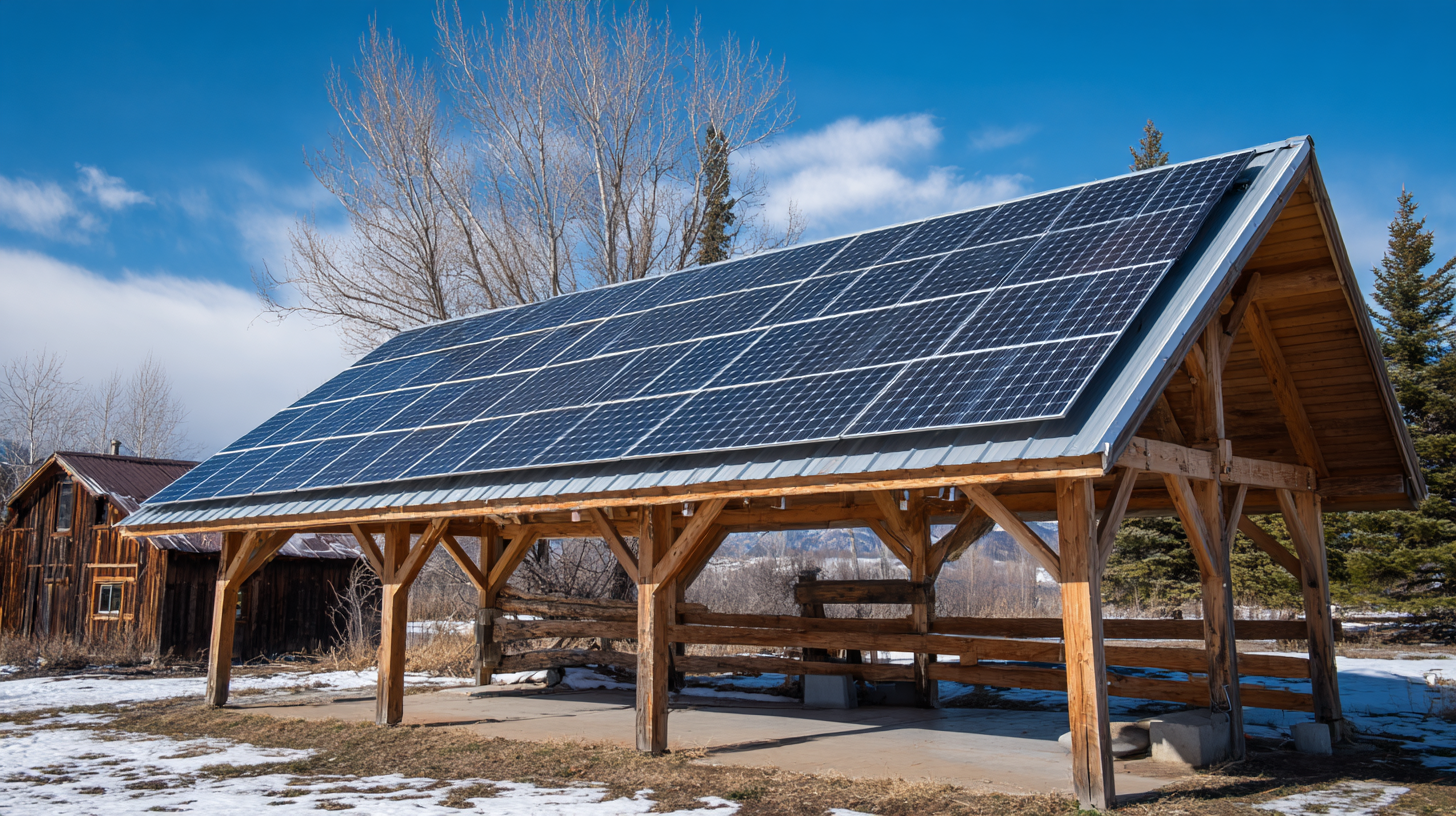
Practical steps for everyday integration include investing in solar battery storage systems, which allow households to store excess energy for nighttime use, thereby maximizing efficiency. Additionally, incorporating solar-powered appliances, such as solar water heaters or outdoor lights, can further decrease reliance on traditional energy sources. As the Solar Energy Industries Association noted, residential solar systems alone generated enough electricity to power over 17 million American homes in 2022, demonstrating the viability of solar as a primary energy source. By embracing these practices, individuals can actively participate in the shift towards renewable energy and a more sustainable future.
Cost-Benefit Analysis: Is Investing in Solar Energy Worth It?
The Middle East and Africa solar photovoltaic (PV) market is poised for significant growth, with projections indicating an expansion from 2021 levels as countries increasingly invest in renewable energy solutions. By 2030, the market is expected to reflect a notable increase in capacity, driven by technological advancements in solar panel efficiency, including mono and polycrystalline technologies, as well as thin-film options. The impact of COVID-19 has also reshaped investment strategies, emphasizing a shift toward more resilient and sustainable energy systems amid global disruptions.
Cost-benefit analysis plays a crucial role in determining the viability of solar energy investments within this dynamic market. With the global renewable energy market projected to reach $15,741.8 billion by 2032, the economic appeal of solar energy becomes evident. The trend towards grid-integrated and off-grid solutions is supported by a robust investment in solar PV mounting systems, which are anticipated to grow significantly in the coming years. By 2033, the mounting systems market alone is expected to reach $826.79 million, reflecting a compound annual growth rate of 17.9%. This growth underscores the pivotal shift toward sustainable living, empowering investors to capitalize on the green energy transition.
The Role of Government Policies in Promoting Solar Adoption
Government policies are pivotal in driving the adoption of solar energy systems, crucial for achieving sustainable living. As countries increasingly aim for carbon neutrality, policies that incentivize solar energy use can effectively stimulate market growth. For instance, in Taiwan, the government has set an ambitious target for net-zero emissions by 2050, formulating strategic pathways that prioritize the decarbonization of electricity. Such initiatives create favorable conditions for solar energy investments, setting an example for other regions aiming to boost renewable energy commitments.
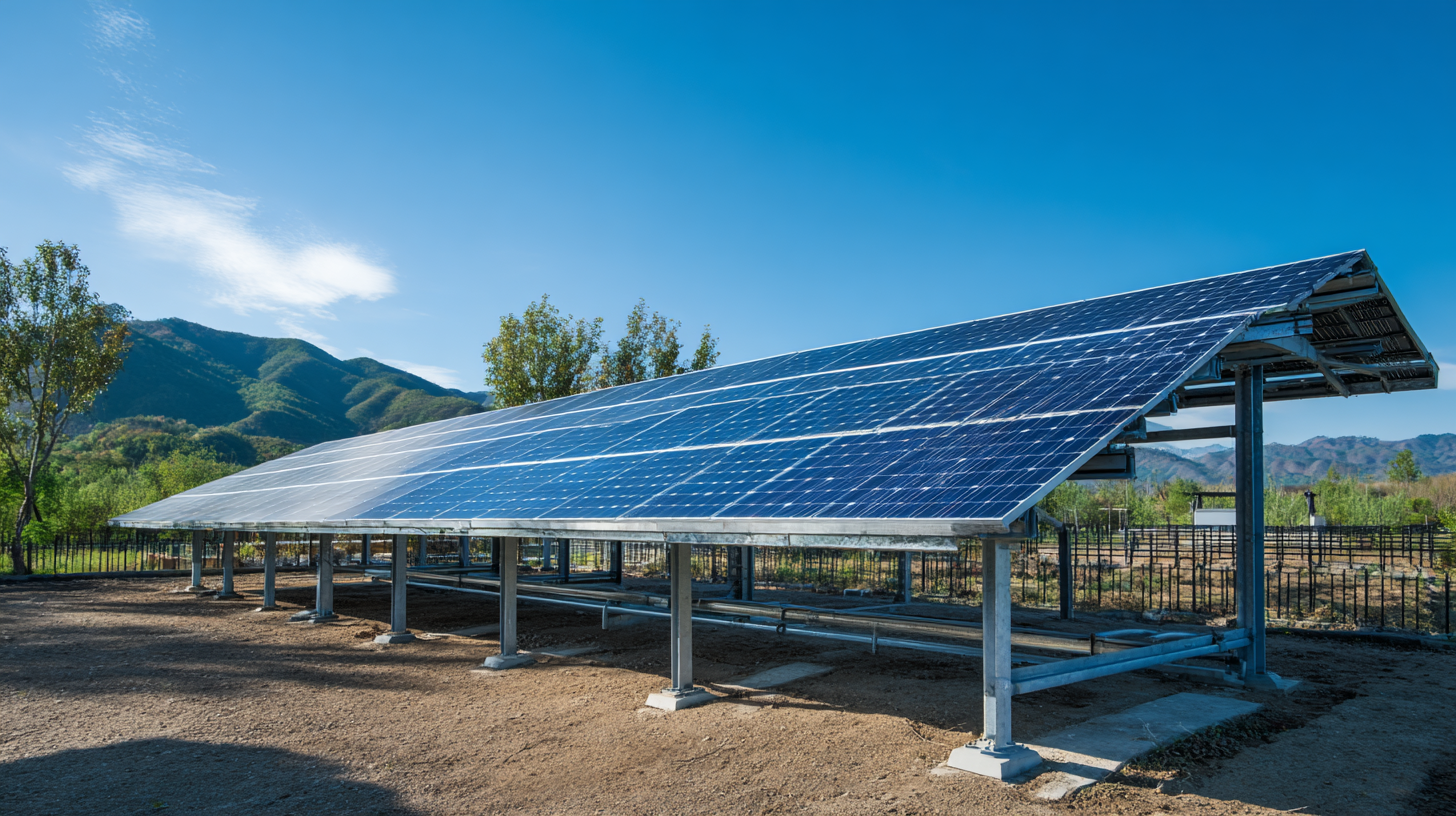
Simultaneously, Southeast Asia is demonstrating significant progress in solar energy deployment, with ASEAN countries collectively exceeding 20 GW of installed capacity. This growth is bolstered by supportive governmental frameworks. Vietnam, for example, has introduced specific decrees promoting renewable energy and has established preferential policies that encourage the development of new energy sources. These efforts reflect a broader recognition among governments of the importance of creating a conducive environment for solar energy to flourish, ultimately contributing to sustainable living and a greener global economy.
Real-Life Success Stories: Communities Thriving with Solar Energy Solutions
In recent years, solar energy solutions have emerged as a cornerstone for sustainable living, proving that communities can thrive while minimizing their environmental impact. One remarkable example is the town of Greensburg, Kansas, which, after being devastated by a tornado in 2007, rebuilt itself as a model of green energy and sustainable practices. By investing heavily in solar energy, the town now powers municipal buildings with solar installations, showcasing a commitment to renewable energy that has attracted eco-conscious businesses and residents alike.
Similarly, the community of Homer, Alaska, has seen transformative benefits from solar energy systems. With an innovative blend of solar panels and battery storage, local residents have managed to reduce their reliance on costly imported fossil fuels. This shift not only stabilizes energy costs but also enhances energy independence, creating a resilient and self-sufficient community. The success stories from Greensburg and Homer exemplify how solar energy can empower communities, drive local economies, and foster a sustainable future.