How to Save Money Using Solar Energy for Your Business?
In today's business landscape, leveraging solar energy presents a unique opportunity for savings and sustainability. According to Dr. Emily Turner, a leading expert in renewable energy, "Investing in solar energy is not just about cutting costs; it's about securing a greener future." Her insights emphasize that adopting solar energy can transform operational expenses.
Businesses often overlook the initial investment in solar technology. However, the long-term benefits are compelling. Switching to solar energy can significantly reduce electricity costs. For example, a mid-sized company might save thousands annually on energy bills. This shift can free up funds for other crucial business areas.
Moreover, relying on solar energy boosts a company's reputation. Consumers increasingly prefer environmentally conscious brands. Still, navigating the transition to solar can be complex. Understanding the various systems available and potential pitfalls is essential for effective implementation. It's vital to assess whether solar energy aligns with your business model before diving in.

Understanding Solar Energy and Its Benefits for Businesses
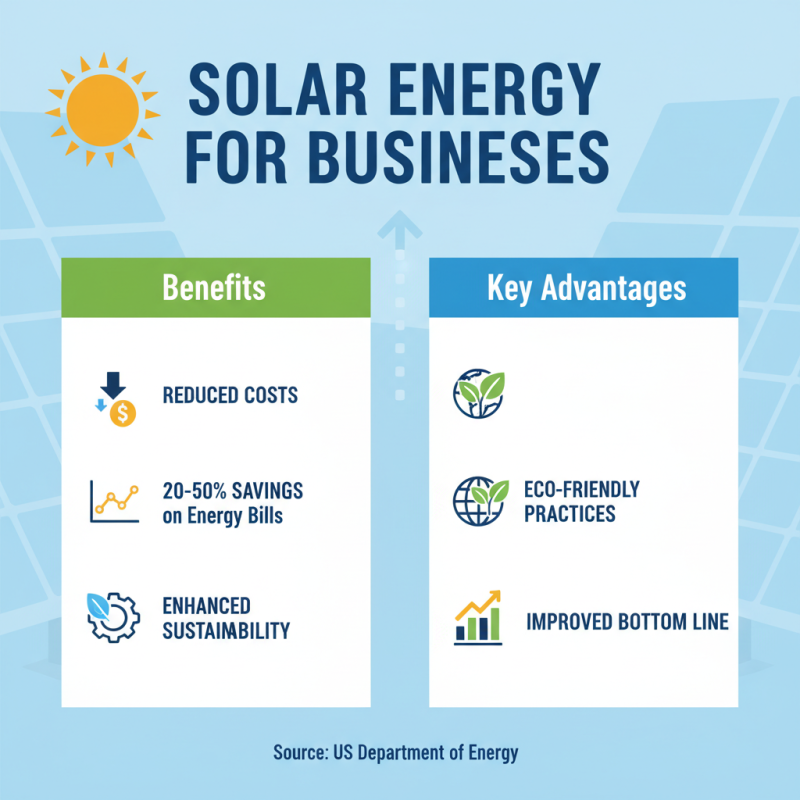
Solar energy offers a multitude of benefits for businesses. It not only reduces operational costs but also enhances sustainability. According to the U.S. Department of Energy, companies that transition to solar can save between 20% and 50% on energy bills. This is significant for businesses looking to improve their bottom line while promoting eco-friendly practices.
Adopting solar energy isn't just a trend; it's a smart financial move. A report from the International Renewable Energy Agency indicates that up to 1 million jobs may be created in the solar industry by 2030. These jobs can empower local communities and stimulate economic growth. Solar panels can also increase property values by an average of 3-4%, presenting a dual opportunity for businesses investing in their infrastructure.
Tips for businesses considering solar energy:
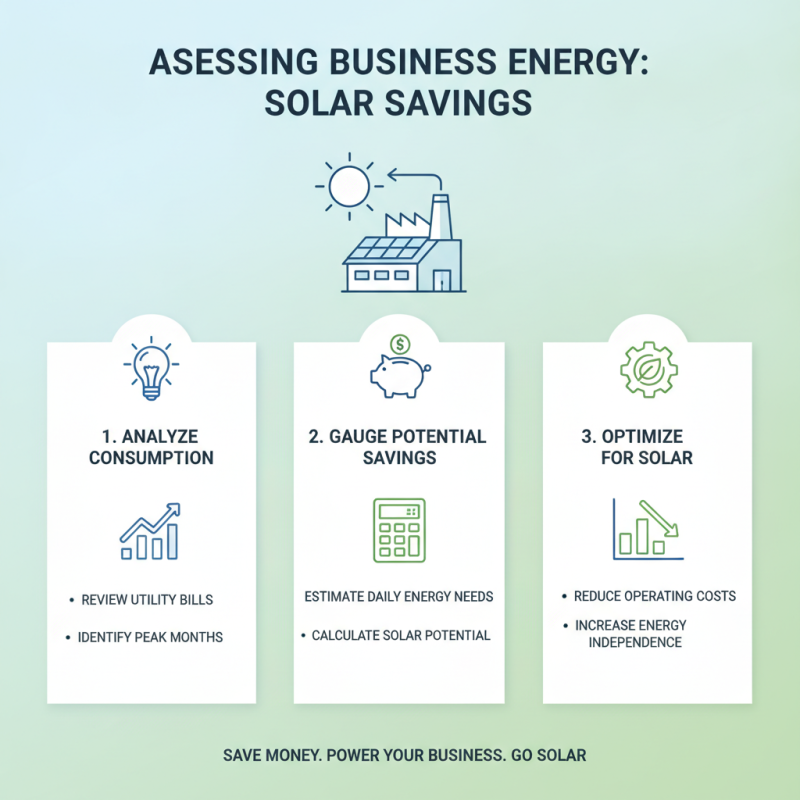
- Conduct a thorough energy audit to assess your current usage.
- Explore local incentives and rebates for solar installations.
- Collaborate with experienced and certified solar providers to ensure optimal system design.
While solar energy presents real savings, it requires careful planning and upfront investment. Some businesses struggle with the high initial costs of installation. It is crucial to analyze long-term savings versus short-term expenses to make informed decisions. Transitioning to solar energy can be a daunting task. However, the long-term benefits often outweigh the initial challenges.
Exploring Different Solar Power Systems for Commercial Use
When considering solar power systems for commercial use, it's vital to explore different types and their applications. Photovoltaic (PV) systems convert sunlight into electricity. They can be installed on rooftops or in large ground-mounted arrays. This flexibility allows businesses to choose a system that fits their available space and energy needs.
Another option is solar thermal systems. These capture sunlight to produce heat. Businesses in sectors like food service can benefit from solar thermal for water heating. This approach can lower utility bills significantly. Solar energy reduces reliance on fossil fuels and contributes to sustainability goals.
**Tips:**
1. Evaluate your energy consumption to determine the size of the solar system needed.
2. Consult with professionals to understand local regulations and financial incentives.
3. Consider battery storage to maximize energy usability during non-sunny hours.
Installation may reveal hidden challenges, such as structural issues or shading from nearby trees. Regular assessment is essential. Monitoring energy production helps identify when systems underperform. Adaptation and proactive maintenance can enhance efficiency over time.
Calculating Potential Savings from Solar Energy Installation
Calculating potential savings from solar energy installation is essential for businesses looking to optimize their finances. According to the National Renewable Energy Laboratory, businesses can save an average of 75% on electricity bills by adopting solar energy. These savings can enhance profit margins significantly, particularly for energy-intensive industries. A comprehensive analysis might reveal further benefits, such as federal tax credits and state incentives, which can lower installation costs by about 30%.
When assessing your potential savings, it’s crucial to evaluate your energy consumption patterns. Track past electricity bills to determine your average monthly usage. Understanding peak usage times can help tailor your solar system for optimal performance. Installation costs vary based on location and system size; however, on average, businesses experience return on investment within 3 to 7 years.
Tips: Consider consulting with solar energy professionals to analyze your situation. They can provide insights into local solar rebates. Also, keeping an eye on energy trends can inform when to scale your solar system for maximum savings. Be aware that energy needs may change over time, thus regular assessments will ensure your system remains efficient and cost-effective.
How to Save Money Using Solar Energy for Your Business? - Calculating Potential Savings from Solar Energy Installation
| Business Type |
Monthly Energy Cost ($) |
Estimated Solar System Size (kW) |
Energy Production/Month (kWh) |
Savings on Energy Bill ($) |
Payback Period (Years) |
| Retail Store |
$1,200 |
10 |
1,200 |
$800 |
5 |
| Manufacturing |
$2,500 |
25 |
3,500 |
$1,500 |
6 |
| Restaurant |
$1,000 |
15 |
1,800 |
$600 |
4 |
| Warehouse |
$3,000 |
40 |
5,500 |
$2,000 |
7 |
| Office Building |
$1,500 |
20 |
2,200 |
$1,000 |
5.5 |
Navigating Incentives and Financing Options for Solar Investments
Solar energy offers a viable path for businesses looking to save money. The initial investment in solar systems can be daunting, but various incentives significantly reduce these costs. According to the Solar Energy Industries Association (SEIA), the federal investment tax credit (ITC) allows businesses to deduct 26% of their solar system costs from federal taxes in 2022. This substantial savings can make solar investments more attractive.
Navigating financing options is crucial for maximizing these incentives. Many states offer grants and rebates, further lowering expenses. A report by the National Renewable Energy Laboratory indicates that businesses can save anywhere from $10,000 to $50,000 during the solar system's lifespan. However, understanding the fine print of local regulations and incentives can be complex. Some offers may have specific eligibility criteria that require diligence to meet.
Despite the financial benefits, challenges can arise. Businesses often struggle with upfront costs before realizing savings. Moreover, installation timelines may extend beyond initial estimates, impacting cash flow. These potential pitfalls highlight the need for thorough research. Connecting with solar experts can help businesses navigate the financing landscape effectively, making informed decisions that align with their long-term goals.