What is a Packaging Machine at the 139th Canton Fair?
The 139th Canton Fair offers a unique opportunity to explore the cutting-edge developments in the packaging machine industry. Experts predict that innovations unveiled at the fair could reshape manufacturing processes for businesses worldwide. Renowned industry expert Dr. Emily Chen highlights, "The future of packaging machines lies in their ability to adapt quickly to market demands."
This year, packaging machines will see advanced automation integrated with artificial intelligence. The Canton Fair's introduction of AI search features will enable buyers to find specific packaging solutions efficiently. They can connect with certified suppliers and enhance their production lines seamlessly. However, the challenge remains for many companies to balance these new technologies with traditional practices.
Despite these advancements, some manufacturers struggle with the transition. They encounter difficulties in training staff on new machinery and ensuring quality control. As packaging machines evolve, it’s vital for companies to reflect on their unique needs and fully embrace change. The potential for growth in this sector is immense, yet companies must navigate these changes carefully to reap the rewards.
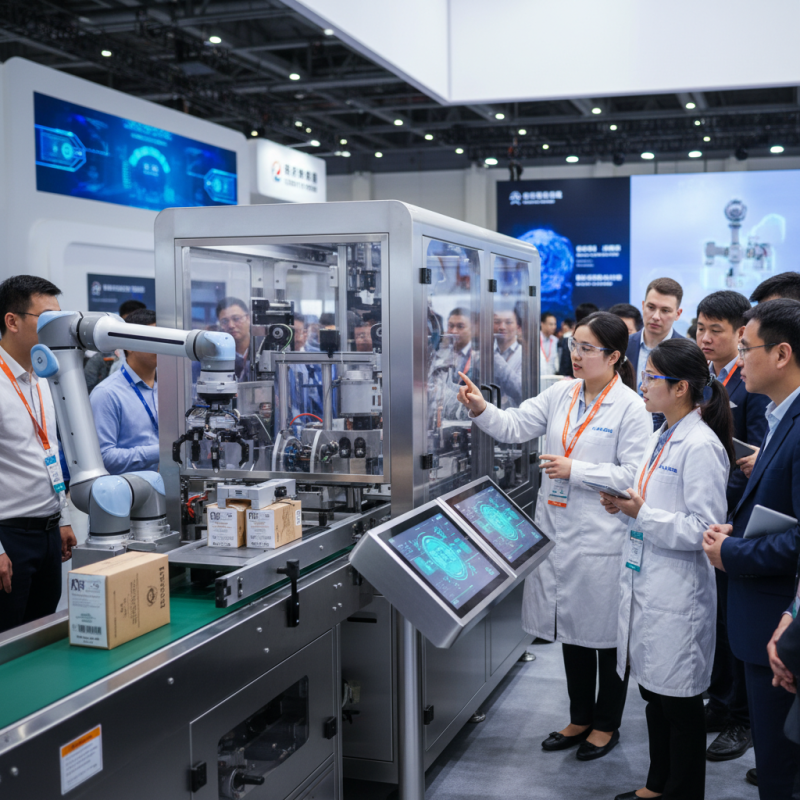
What is a Packaging Machine?
Packaging machines play a crucial role in various industries, improving efficiency and ensuring product safety. These machines automate the packaging process, which reduces labor costs and minimizes human error. According to a recent report from Smithers Pira, the global packaging machinery market is projected to grow by 4.8% annually, reaching $50 billion by 2025.
The functionality of packaging machines varies widely. Some machines fill, seal, and label products, while others are designed for specific items. This diversity can make choosing the right machine a challenge. There are numerous options available, from simple hand-operated devices to sophisticated fully automated systems. Each has its advantages and disadvantages. Not all machines offer the flexibility needed for small batches; thus, scalability can become a concern.
Adopting new packaging technology brings potential benefits but also risks. Higher initial investment costs can deter some manufacturers. Additionally, maintenance can sometimes become an afterthought, leading to unexpected downtime. Companies must weigh the immediate benefits against these long-term considerations. This balance is key to a successful packaging strategy, especially for those looking to innovate in a crowded market.
Types of Packaging Machines Exhibited at the Canton Fair
At the 139th Canton Fair, various types of packaging machines are on display. These machines serve several industries and applications. Each type plays a unique role in optimizing packaging processes. Visitors will find machines designed for food, cosmetics, and electronics.
One notable machine is the vertical form-fill-seal machine. It efficiently packages products like snacks or powders. It’s sleek, fast, and ideal for high-volume production. Another interesting option is the labeling machine. This machine ensures products are accurately labeled with minimal human intervention. Its speed and precision improve productivity significantly.
However, not all machines are flawless. Some packaging machines can be complex to operate. Operators may require extensive training to use them effectively. This often leads to delays in the production process. Companies need to balance speed and user-friendliness. Reflections on usability may guide future innovations in packaging technology.
Key Features and Technologies in Packaging Machines
At the 139th Canton Fair, packaging machines took center stage with cutting-edge technologies. These machines are crucial in various industries, including food, pharmaceuticals, and consumer goods. According to a recent market analysis, the global packaging machinery market is projected to reach $50 billion by 2025, growing at a compound annual growth rate (CAGR) of 4.5%.
Key features of modern packaging machines include automation, efficiency, and flexibility. Many machines are designed with smart sensors, enabling real-time monitoring of production. This can lead to reduced downtime and increased output. Furthermore, the adoption of eco-friendly materials is gaining traction, as 65% of consumers prefer sustainable packaging options. These trends highlight the industry's shift towards sustainability and efficiency.
However, despite advancements, challenges remain. Many manufacturers struggle to keep up with rapid technological changes. Failure to adapt can lead to losing market competitiveness. Moreover, integration of new technologies often requires significant investment, which may not be feasible for all companies. The packaging machinery sector must address these gaps while continuing to innovate and improve.
Packaging Machines Showcase at the 139th Canton Fair
Applications of Packaging Machines in Various Industries
At the 139th Canton Fair, packaging machines were showcased for various industries. These machines are essential for product preservation and shelf appeal. They automate the packaging process, making it faster and more efficient. From food items to electronics, the applications are vast.
In the food industry, packaging machines maintain freshness and extend shelf life. They also help in portion control. Snacks, beverages, and frozen meals all benefit from automated solutions. However, one must consider customization needs. Different products may require unique packaging styles, and a one-size-fits-all approach often falls short.
In the pharmaceutical sector, these machines ensure safety and compliance. They provide tamper-evident seals and precise labeling. Yet, the challenge remains inkeeping up with regulatory changes. Flexibility in packaging options is crucial. Even with innovation, there's room for improvement in responsiveness to market trends. Efforts to enhance sustainability in materials are ongoing but often inconsistent.
Trends and Innovations in Packaging Technology at the Canton Fair
The 139th Canton Fair showcases the latest trends in packaging technology. Packaging machines are evolving rapidly. A recent report highlights that the global packaging machinery market is projected to reach $50 billion by 2027, growing at a CAGR of 4.8%. This surge reflects increased demand for innovative solutions across various sectors.
At the fair, attendees can explore cutting-edge designs. Many machines now integrate IoT technology for better performance. For instance, smart sensors are being used to monitor efficiency in real-time. This data-driven approach enhances productivity but raises challenges concerning implementation and training. Manufacturers face the task of ensuring staff understand these innovations.
Sustainability is another significant focus. Eco-friendly packaging options are gaining traction. A study noted that 60% of consumers prefer sustainable products. This shift pushes companies to adapt, yet the transition isn't seamless. Many struggle with balancing cost and sustainability in packaging choices. As trends shift, ongoing reflection on these hurdles will be crucial for businesses to sustain growth in a competitive market.
What is a Packaging Machine at the 139th Canton Fair? - Trends and Innovations in Packaging Technology at the Canton Fair
| Packaging Machine Type | Features | Application | Innovation Highlight |
| Vertical Form Fill Seal Machine | High-speed operation, automated packaging process | Snacks, powders, granules | Eco-friendly materials usage |
| Automatic Cartoning Machine | Fully automatic, adjustable for different carton sizes | Pharmaceuticals, cosmetics | Integration with AI for quality control |
| Labeling Machine | High precision, user-friendly interface | Beverages, food jars | Smart labeling with real-time data tracking |
| Shrink Wrapping Machine | Compact design, fast heating | Bundles of products, boxes | Energy-efficient operation |