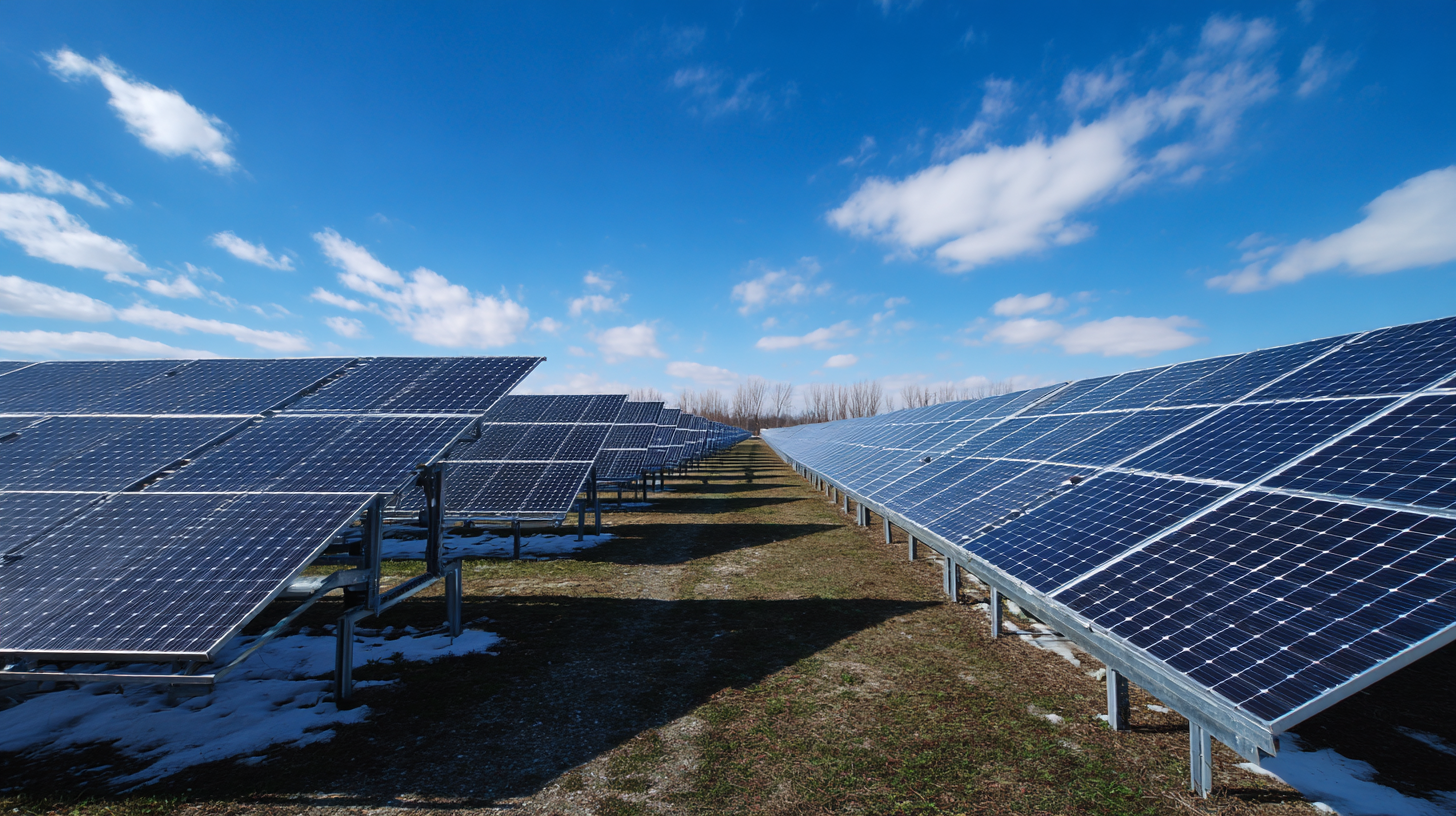
Maximizing Energy Independence with Solar Power Systems and Battery Storage in 2024
As we approach 2024, the global trend towards maximizing energy independence through sustainable solutions has gained significant momentum, particularly with the integration of solar power systems with battery storage. According to a report by the International Energy Agency (IEA), solar energy has become the most prominent source of new electricity generation, projecting an increase of 400% in global solar capacity by 2030. This rise is bolstered by advancements in battery storage technology, which enables efficient energy management and enhances the reliability of solar systems.
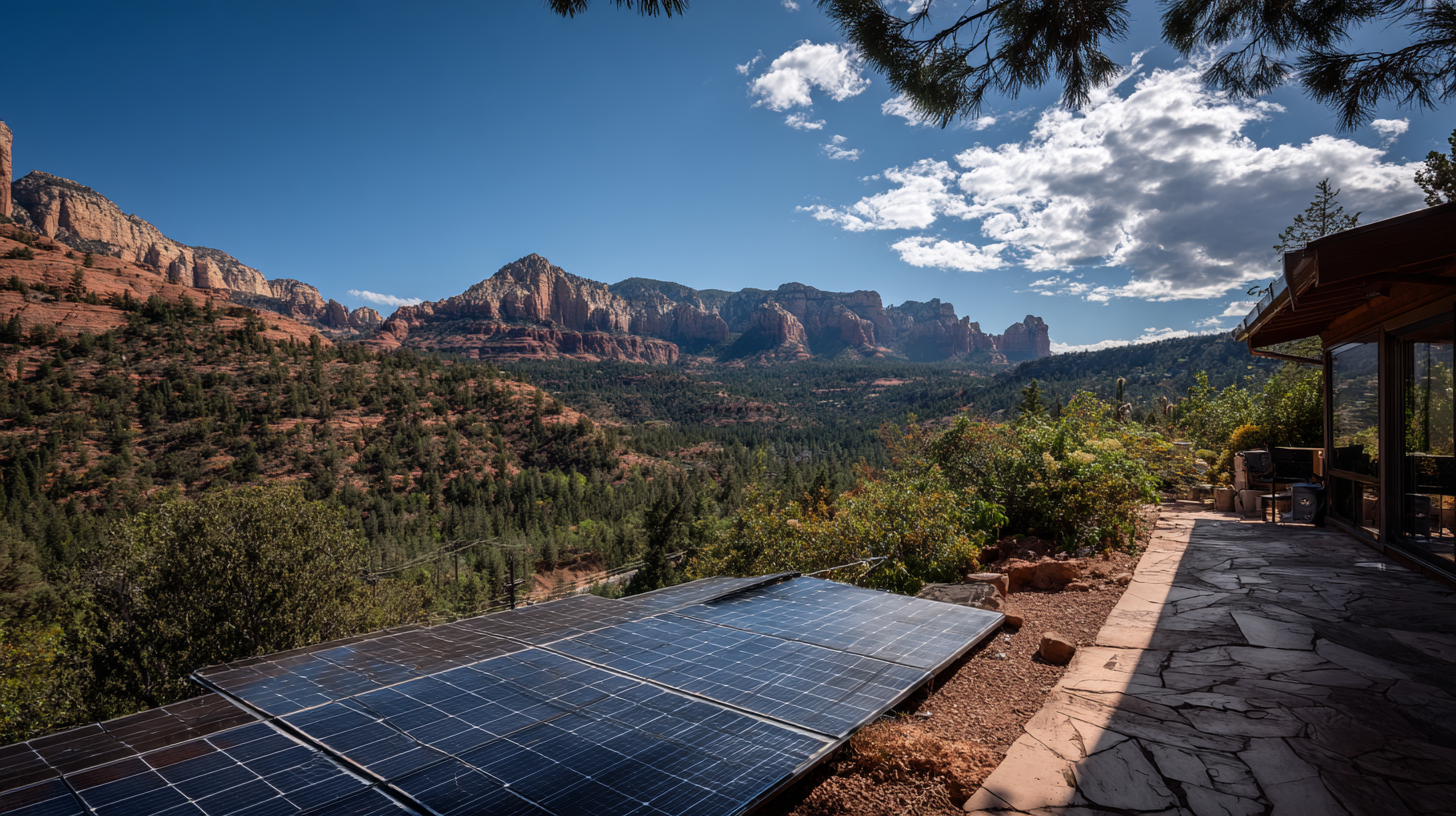
The combination of solar panels and robust battery storage systems not only offers consumers the means to reduce their reliance on conventional energy sources but also contributes to a greener grid. Furthermore, a study by the U.S. Department of Energy indicates that coupling battery storage with solar power can lower electricity costs by up to 70% over fifteen years, making it a financially viable and eco-friendly alternative for homeowners and businesses alike.
Understanding the Basics of Solar Power Systems for Energy Independence
Understanding the basics of solar power systems is essential for anyone looking to achieve energy independence. Solar power systems primarily consist of photovoltaic (PV) panels, which convert sunlight into electricity. These panels can be installed on rooftops or in open areas to harness solar energy effectively. In addition to PV panels, inverter systems are crucial as they convert the direct current (DC) generated by the panels into alternating current (AC), which is used in most homes.
Incorporating battery storage into solar power systems further enhances energy independence. Batteries allow homeowners to store excess energy generated during sunny days for use during nighttime or cloudy periods. This not only increases the reliability of the power supply but also reduces dependence on the grid, insulating users from fluctuations in electricity prices and outages. By understanding these basic components, individuals can take meaningful steps towards maximizing their energy independence while contributing to a more sustainable future in 2024 and beyond.
Maximizing Energy Independence with Solar Power Systems and Battery Storage in 2024
Key Benefits of Integrating Battery Storage with Solar Energy Solutions
The integration of battery storage with solar energy solutions presents significant benefits, particularly in maximizing energy independence for households and businesses. As reported, the battery energy storage system (BESS) market is rapidly expanding, driven by the urgent need to modernize power grids and accommodate more renewable sources. With the capability of balancing fluctuating energy inputs, battery storage not only enhances the reliability of power supply but also helps reduce grid congestion.
Incorporating battery systems with solar power enables users to store excess energy generated during peak sunlight hours, which can then be utilized during periods of low generation. This not only improves energy resilience but also optimizes cost savings by reducing reliance on grid electricity. Studies indicate that homes using solar and battery systems can cut their electricity bills by up to 70%, a notable advantage as energy prices continue to rise.
Tips: To maximize the effectiveness of solar and battery energy solutions, consider performing a detailed analysis of your energy consumption patterns. This will help you determine the optimal size of your solar system and battery storage. Additionally, stay informed about local incentives and programs that support energy storage integration, as they can significantly offset initial investment costs.
Essential Tips for Choosing the Right Solar Panels and Inverter
As we approach 2024, maximizing energy independence through solar power systems and battery storage becomes increasingly vital. The market for micro-inverters is expected to expand significantly, projecting a growth from $4.12 billion in 2024 to $15.4 billion by 2032, featuring a remarkable compound annual growth rate of 17.92%. This surge reflects the growing adoption of solar technology across the globe, particularly in light of recent electricity shortages witnessed in Spain and Portugal, prompting nations to reconsider grid safety and renewable energy integration.
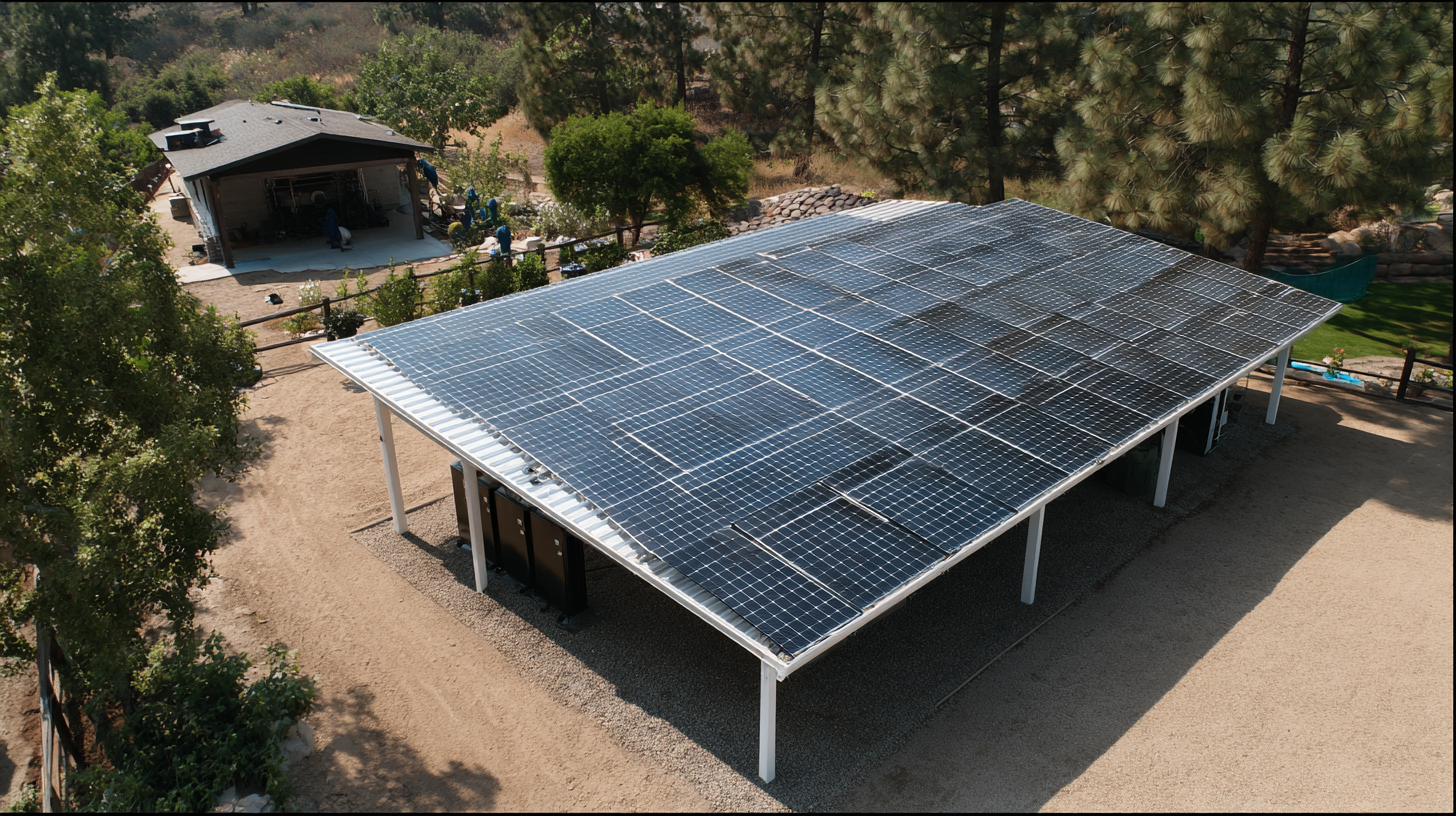
When selecting solar panels and inverters, consider these essential tips: Firstly, determine whether mono- or polycrystalline panels suit your energy needs best. Mono panels generally offer higher efficiency and occupy less space, making them ideal for residential setups. Secondly, choose micro-inverters for enhanced performance; their ability to operate independently maximizes energy output, especially in partially shaded environments. This adaptability is crucial as the power electronics sector anticipates increased demand, particularly as solar energy solutions become more accessible and necessary in an era of energy transition.
How to Calculate Your Energy Needs for Optimal Solar Installation
When considering solar power systems and battery storage to maximize energy independence in 2024, accurately calculating your energy needs is essential for an optimal installation. According to the U.S. Energy Information Administration (EIA), the average American household consumes about 877 kWh per month. This number serves as an important baseline for prospective solar users. By evaluating individual energy consumption patterns, homeowners can determine how many solar panels and the size of the battery storage system required to meet their needs.
To estimate energy needs effectively, one should assess not only current energy consumption but also future expectations. The National Renewable Energy Laboratory (NREL) suggests factoring in potential energy usage increases, such as the addition of electric vehicles or increased reliance on home automation systems. A home that anticipates an increase in energy consumption can benefit from a slight overestimation, allowing for added efficiency and flexibility. To sum up, understanding energy requirements and annual usage trends is crucial in designing a solar power system that ensures energy independence while maximizing cost savings.
Financing Options and Incentives for Solar Power Systems in 2024
With the growing emphasis on renewable energy, 2024 presents a unique opportunity for homeowners and businesses to finance solar power systems and battery storage solutions effectively. Various financing options, such as solar loans, power purchase agreements (PPAs), and leasing arrangements, have become increasingly attractive. According to the Solar Energy Industries Association (SEIA), the average cost of solar installations has dropped by over 70% since 2010, making solar energy more accessible than ever.
Additionally, federal and state incentives significantly enhance the viability of solar investments. The federal solar tax credit (ITC), allowing homeowners to deduct a substantial percentage of the installation costs from their taxes, continues to drive adoption. Moreover, numerous states are offering tailored incentives, such as rebates and performance-based incentives, which can significantly reduce the upfront costs. A report by the National Renewable Energy Laboratory (NREL) suggests that combining these incentives can lead to a reduction of nearly 50% on average in net system costs.
Tips: When exploring financing options, ensure you compare interest rates and terms from various lenders. Additionally, always check if your state has specific programs that might further lower your costs. It's crucial to calculate potential savings from utility bill reductions to understand the long-term benefits of your investment.