
Skip to content

Why Are Transport Vehicles Essential for Modern Society?

Transport vehicles play a vital role in shaping modern society. They connect cities, facilitate trade, and enhance the movement of people. From trucks to buses, these vehicles are essential in everyday life. They ensure that goods reach stores and homes promptly. Without them, our economy would struggle to function efficiently.

Everyday scenarios highlight their importance. Imagine a grocery store without timely deliveries. Fresh produce depends on transport vehicles traveling from farms to shelves. They also provide public services, offering mobility to those without personal cars. Public transportation is critical for those commuting to work or school.

However, challenges persist. Traffic congestion and pollution raise concerns about sustainability. People often question the reliance on transport vehicles. Innovations are needed to address these issues while maintaining the benefits they provide. Society must reflect on how to balance convenience and environmental responsibility.
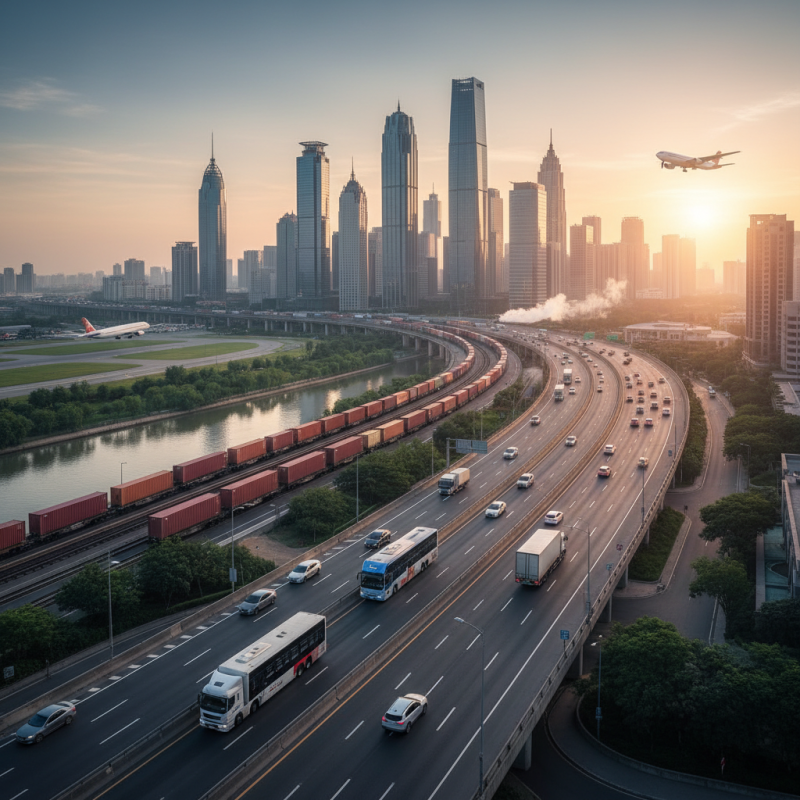
Why Are Transport Vehicles Essential for Modern Society?

The Role of Transport Vehicles in Economic Development

Transport vehicles play a critical role in driving economic development. According to the International Transport Forum, efficient transportation can boost a country's GDP by 1-2%. Improved infrastructure reduces delays and lowers costs for businesses. Fast logistics can transform regional economies. Cities with effective transport systems experience higher investment rates. This leads to job creation and innovation.

However, the transport sector faces challenges. Traffic congestion results in wasted time and fuel. Studies reveal that congestion costs cities billions annually in lost productivity. Urban planning must address these issues. Sustainable transport solutions are vital. While electric vehicles show promise, their integration into existing systems is not without hurdles. A balance between efficiency and environmental impact requires ongoing effort. Economic growth should not compromise quality of life.

Impact of Transportation on Global Trade and Commerce

Transportation plays a crucial role in global trade and commerce. It is the backbone connecting producers to consumers. Efficient transport networks reduce time and costs. Every minute counts in the fast-paced market. Delays can lead to lost sales and dissatisfied customers.

Roads, railways, and shipping lanes are vital. They ensure goods move quickly from one point to another. However, infrastructure is often lacking. Many regions struggle with poor transport links. This results in missed opportunities for local businesses. Moreover, environmental concerns arise from heavy traffic and emissions. It’s necessary to find a balance between economic growth and sustainability.

The disruptions caused by global events can shake transportation systems. Supply chain issues have highlighted these vulnerabilities. Companies need to rethink their strategies. They might rely too much on traditional methods. Innovation and adaptability are essential in addressing these challenges. A robust transport system can foster growth, but it must evolve continuously.

Environmental Considerations of Modern Transport Systems

Modern transport systems significantly impact our environment. Transportation contributes to nearly 14% of global greenhouse gas emissions, according to the International Energy Agency. This number is rising. Urban areas feel the pressure the most. Traffic congestion leads to increased fuel consumption and air pollution. It’s not just a concern for the planet; it affects public health too.

Electric vehicles (EVs) provide a potential solution. They can reduce emissions substantially. A 2023 study indicated that widespread EV adoption could decrease transportation emissions by up to 30% by 2030. However, the infrastructure needed for charging and energy sourcing remains limited. Charging stations are sparse in many regions, creating barriers for potential EV users.

Public transport offers another avenue for improvement. Buses and trains can reduce individual car usage. Yet, many systems are underfunded and outdated. They often fail to attract commuters. According to a government report, only 9% of urban residents regularly use public transit. This indicates a strong need for better services. Overall, while transport vehicles are essential, their environmental impact and sustainability need serious consideration.

Technological Advances Shaping the Future of Transport Vehicles

Transport vehicles play a crucial role in modern society. Technological advances are reshaping how these vehicles operate. For instance, the global market for electric vehicles is projected to grow at a staggering compound annual growth rate (CAGR) of 29% between 2021 and 2030. This shift indicates a growing emphasis on sustainability.

Moreover, the integration of artificial intelligence is enhancing efficiency. AI algorithms optimize routes, reducing fuel consumption and travel time. A recent report revealed that this technology could lower logistics costs by up to 30%. However, reliance on technology raises concerns. What happens when systems fail or are hacked? This vulnerability could disrupt supply chains significantly.

The development of autonomous vehicles is another bold step forward. By 2035, it’s expected that these vehicles will dominate urban transport. Although the potential for reduced accidents is promising, issues remain. Do we trust machines to make the right decisions? Questions about ethics and liability remain largely unanswered. As these technologies evolve, society must approach them with a mix of hope and caution.

Social Connectivity and Mobility Enabled by Transport Infrastructure

Transport infrastructure plays a vital role in enhancing social connectivity and mobility. According to the World Bank, reliable transportation can increase access to jobs by up to 30%. This means that a well-connected community enjoys better employment opportunities. People can move freely to work, education, and healthcare. The absence of such infrastructure limits these opportunities.

In urban areas, traffic congestion often leads to lost productivity. Studies show that congestion costs cities nearly $166 billion annually. Public transit systems are crucial for alleviating this issue. Buses and trains can transport large numbers of people efficiently. Yet, many cities still face challenges in funding and maintaining these systems.

Moreover, transport vehicles bring communities closer. They enable social interactions by connecting neighborhoods and cultural hubs. However, access remains uneven. Lower-income areas often lack adequate transport options. This creates isolation, making it harder for residents to participate in social and economic activities. Overall, while transport vehicles are essential, we must reflect on how to improve accessibility for all.