Why Do You Need an EV Charger for Your Electric Car?
As electric vehicles continue to gain popularity, the importance of having a reliable Ev Charger Car is paramount. Industry expert David Wells emphasizes, "A dedicated EV charger can significantly enhance your electric vehicle experience." This statement highlights why having a home charging solution should be a top priority for EV owners.
Many people overlook the convenience of owning an EV charger. Imagine returning home after a long day and easily plugging in your electric car. Public charging stations may seem like an option, but they can be limited and far from your location. By having a personal charger installed, you can ensure your car is always ready to go.
However, some potential EV owners hesitate due to costs. It's crucial to weigh the long-term savings on fuel and maintenance against the initial investment of an EV charger car. Reflecting on these aspects can lead to better decisions. Without a doubt, a home charging solution not only simplifies your routine but also transforms how you engage with the electric vehicle world.
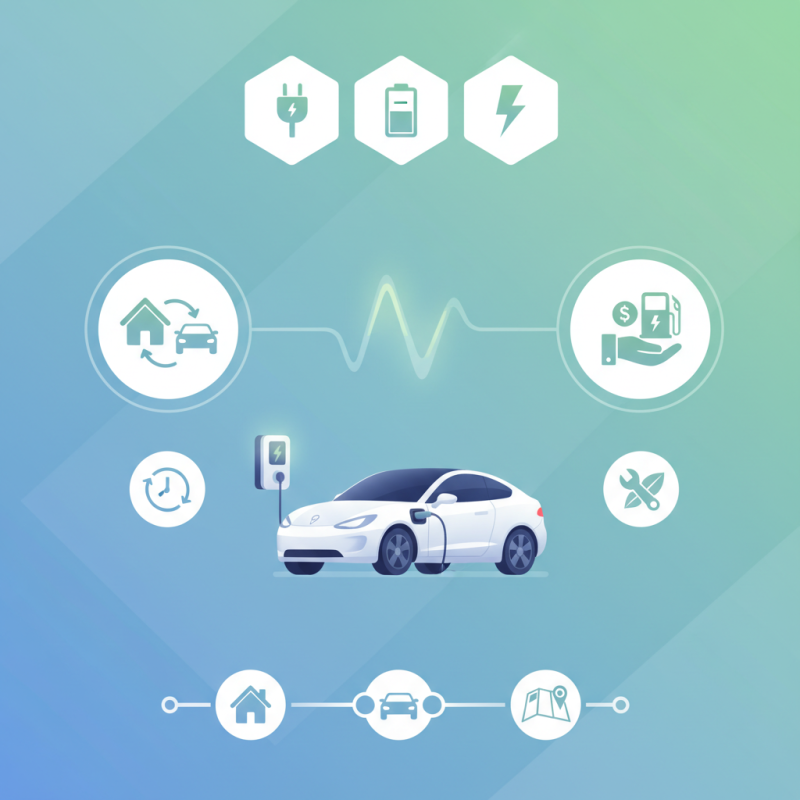
The Importance of EV Chargers for Electric Vehicles
Electric vehicle (EV) chargers play a crucial role in facilitating the transition to electric mobility. Studies show that the number of EVs on the road is projected to reach 145 million by 2030. Without sufficient charging infrastructure, this growth could stall. EV chargers make charging accessible for users at home, workplaces, and public areas. This is essential for encouraging widespread EV adoption.
Data from the International Energy Agency indicates that the global number of public charging points must reach over 5 million to support the increasing number of electric cars. However, only around 2 million charging points existed as of 2021. The gap is evident. Urban areas are particularly under-equipped, leading to range anxiety among potential EV owners. This can deter individuals from making the switch to electric.
The availability of charging stations directly correlates with EV sales. A report shows that every additional level 2 charging point can boost EV sales by 3%. Yet, many regions face a lack of supportive infrastructure. This creates frustration for users. Charging times remain a barrier as well. Fast chargers can take up to an hour to deliver significant range, causing inconvenience. As the industry evolves, addressing these challenges becomes essential for a sustainable future.
Importance of EV Chargers for Electric Vehicles
This chart illustrates the growing importance of EV chargers based on the increasing number of electric vehicles on the road. As the adoption of electric cars rises, the demand for efficient and accessible EV charging infrastructure becomes critical.
How EV Chargers Work and Their Types
Electric Vehicle (EV) chargers are essential for powering your electric car efficiently. Understanding how they work is crucial. There are mainly three types of chargers: Level 1, Level 2, and DC Fast Chargers. Level 1 chargers use a standard home outlet. They provide about 4-5 miles of range per hour of charging, which can be slow for daily needs. However, they are convenient for overnight charging.
Level 2 chargers are faster and more commonly found in public charging stations. They can deliver 10-20 miles of range per hour. According to the U.S. Department of Energy, installing a Level 2 charger can reduce charging time significantly. Still, installation can be costly and may require home electrical upgrades.
DC Fast Chargers are the quickest, offering up to 80% charge in 30 minutes. However, their accessibility is limited compared to Level 2 chargers.
The choice of charger depends on your driving habits and local infrastructure. Some users may find public chargers frustrating. Long waits during peak times can be a problem. Additionally, not all locations have access to DC Fast Chargers. Addressing this gap is crucial for the future of electric vehicle adoption. Understanding charger types can lead to informed decisions that cater to individual needs.
Benefits of Installing a Home EV Charger
Installing a home EV charger offers significant benefits for electric car owners. Firstly, convenience plays a key role. You can charge your vehicle overnight. This means no more trips to public charging stations. Just plug it in, and it's ready for the next day. Imagine the peace of mind knowing your car is fully charged every morning.
Cost savings also deserve attention. Charging at home is often cheaper than using public stations. You might be surprised how much you could save over time. Think about those trips to the gas station. Those costs add up quickly. Moreover, many utility companies offer incentives for home charging setups. These can help offset installation costs.
However, installation can be tricky. You might face electrical upgrades or local regulations. It's essential to research your options. A perfectly installed charger can seem like a tedious task at first, but the long-term benefits usually outweigh the initial hassle. Even if you're not tech-savvy, considering a charger makes sense. With numerous options available, you can find a solution that suits your needs.
Public Charging Stations: Accessibility and Convenience
Public charging stations play a crucial role in the transition to electric vehicles (EVs). With over 1.8 million charging points worldwide by the end of 2022, accessibility has increased significantly. However, many areas still lack sufficient infrastructure. For users, this can lead to range anxiety. A study found that 56% of potential EV buyers worry about charging station availability.
Convenience is key for EV owners. Most of the time, charging happens at home. Yet, public charging stations offer vital support when on the go. Finding a station nearby can save time. Data shows that about 80% of EV charging occurs at home, but having a robust public network is essential for long trips.
Tips: Always plan your routes. Use charging station apps for real-time availability. Consider stations with fast chargers for quick stops. Remember, while most public stations are reliable, some may have long wait times. It’s wise to double-check reviews. Working towards better infrastructure will take time. Staying informed helps navigate challenges in charging accessibility.
Understanding Charging Times and Battery Range Management
Charging an electric vehicle (EV) is crucial for effective battery range management. Understanding charging times helps drivers plan their journeys better. A standard Level 2 charger can add about 25 miles of range per hour. If you drive an average of 40 miles daily, overnight charging can easily cover your needs. However, it’s also essential to consider the battery's health. Fast charging can degrade battery life if used frequently.
Tips: Always charge your EV at home overnight. It’s a convenient way to ensure your vehicle is ready each day. Monitor the state of charge to avoid emptying your battery completely. This simple step can prolong your battery's lifespan.
Battery range varies with driving habits and conditions. Cold weather can reduce range significantly. Drivers report up to a 40% decrease in battery capacity in low temperatures. Being aware of this can help in planning trips during winter. Consider selecting routes that enable charging stops, especially in unfamiliar areas. A well-thought-out plan is essential for maximizing your EV's potential.
Tips: Use apps to locate charging stations on your route. Knowing where to recharge can save time and anxiety. Also, plan for flexibility in case of unexpected needs.