Skip to content

How to Harness Solar Energy for Your Home Efficiency?

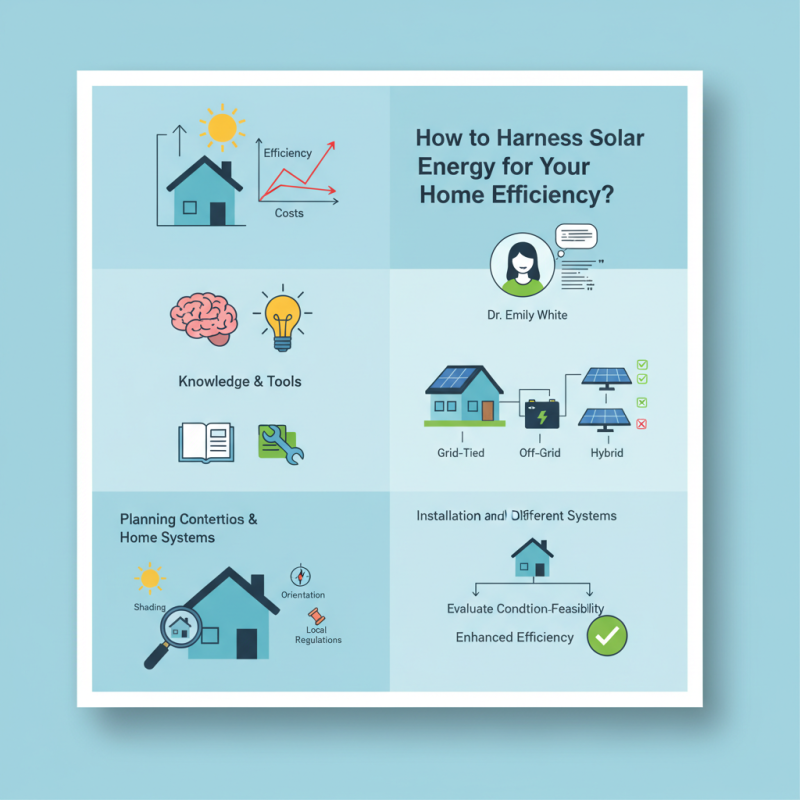
Solar energy is transforming how we power our homes. Many homeowners are increasingly looking to harness this renewable resource for greater efficiency. According to Dr. Emily White, a leading expert in solar energy, "Adopting solar energy is not just a choice; it is a necessity for a sustainable future."

With the right knowledge and tools, you can significantly reduce your energy costs. Installing solar panels can help you generate your own electricity. However, the process may seem daunting. There are different systems and configurations to consider. Each has its own pros and cons.

Embracing solar energy requires thoughtful planning. Not every roof is ideal for solar panels. Factors like shading, orientation, and local regulations can complicate installations. It’s essential to evaluate your home’s unique conditions. Only then can you determine if solar energy can truly enhance your home's efficiency.
How to Harness Solar Energy for Your Home Efficiency?

Understanding Solar Energy and Its Benefits for Home Efficiency

Solar energy is a powerful resource. It offers numerous benefits for improving home efficiency. Harnessing the sun’s rays can reduce energy bills. The initial setup might seem daunting. However, the long-term savings can be substantial.

Understanding solar panels is crucial. They convert sunlight into electricity. This clean energy can power appliances and lighting. Homes can benefit from less reliance on the grid. This means fewer power outages and more energy independence. It's also important to consider the orientation of your home. A south-facing roof often captures more sunlight, maximizing efficiency.

There are some challenges to consider. Costs can vary significantly based on location and installation. Choosing the right type of panels is another hurdle. Homeowners may need to research to find the best fit. Energy efficiency is a journey, not a destination. Some may find their system underperforming initially. Adjustments may be necessary to optimize energy use. Continuous learning about maintenance is essential for long-term success.

How to Harness Solar Energy for Your Home Efficiency?

Aspect Details Benefits
Solar Panels Photovoltaic cells convert sunlight directly into electricity. Reduces electricity bills and reliance on the grid.
Solar Water Heating Uses solar energy to heat water for residential use. Lowers water heating costs and enhances energy efficiency.
Solar Shading Using trees or structures to block sunlight during peak hours. Reduces air conditioning needs and improves indoor comfort.
Energy Storage Systems Batteries that store surplus solar energy for later use. Increases energy independence and provides backup power.
Government Incentives Tax credits and rebates for solar installations. Makes solar energy more affordable and attractive.

Evaluating Your Home's Suitability for Solar Energy Installation

To evaluate your home's suitability for solar energy installation, check a few key factors. Roof orientation is crucial. South-facing roofs typically receive the most sunlight. If your roof slopes north, it may not be ideal. Also, inspect for any shading from trees or nearby buildings. Shading can significantly reduce solar panel efficiency.

Consider your energy consumption as well. The average American household uses about 877 kWh per month. If your usage is higher, solar panels may save you more. Depending on local policies, homeowners can often get incentives. One industry report states that solar installations can increase home values by up to 4%. That's an attractive prospect!

Tips:

1. Get a professional assessment of your roof. This can save you from future costs.
2. Monitor your energy bills for a few months. Understanding your usage pattern helps in planning your system size.

Remember, while the upfront cost may seem overwhelming, the long-term savings are significant. The technology is improving but still has limitations. Adjust your expectations and re-evaluate your choices when necessary.

Choosing the Right Solar Energy System for Your Needs

How to Harness Solar Energy for Your Home Efficiency?

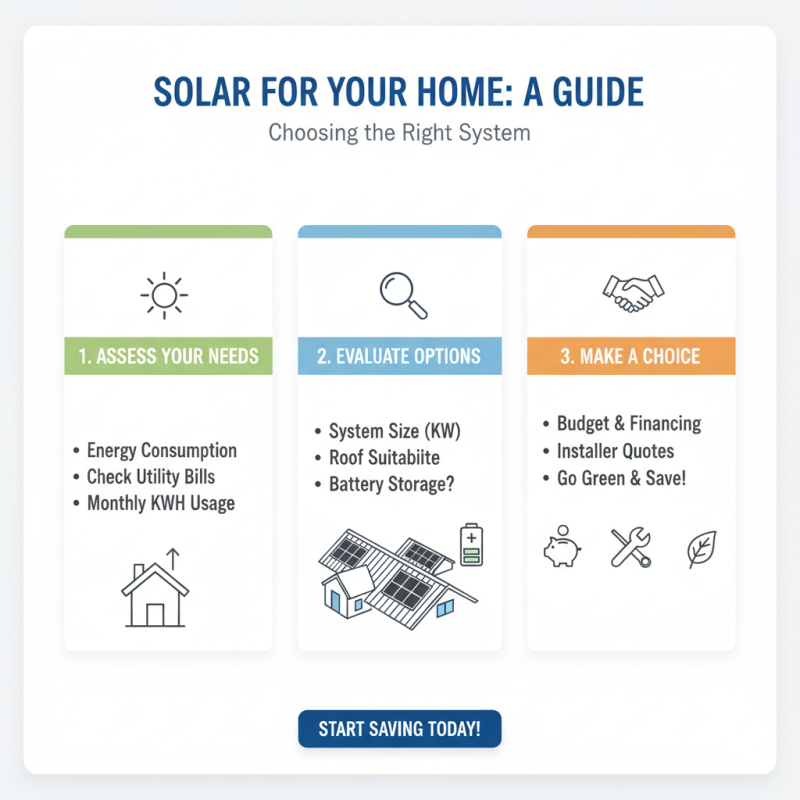
Choosing the right solar energy system for your home can be challenging. It's essential to evaluate your specific energy needs. Start by assessing your energy consumption patterns. Look at your utility bills to see how much energy you use each month. This number will guide your decision.

Consider the size of your roof and its orientation. A south-facing roof captures the most sunlight. If trees or buildings cause shading, think about trimming these trees or using other areas for installation. Speak with an expert about installation locations.

**Tip:** Research local incentives for solar installations. Many states offer tax credits or rebates. These can significantly offset installation costs.

Understand the different types of solar panels available. Some offer higher efficiency but may be more expensive. Others might fit into your budget but deliver less energy.

**Tip:** Evaluate the warranty and lifespan of the solar panels. A longer warranty might indicate better quality. Don't rush into a decision. Take your time to reflect on what you truly need.

Optimizing Solar Panel Placement and Orientation for Maximum Efficiency

How to Harness Solar Energy for Your Home Efficiency?

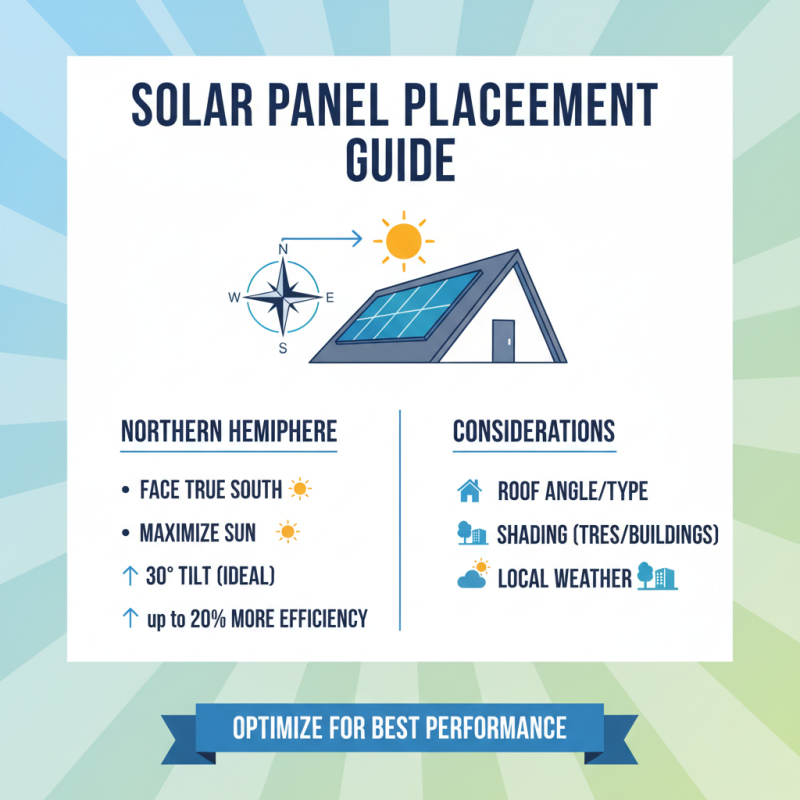
When optimizing solar panel placement and orientation, several factors play a critical role. Research indicates that panels should ideally face true south in the Northern Hemisphere. This orientation maximizes solar exposure. For example, a study by the National Renewable Energy Laboratory suggests that a 30-degree tilt can increase efficiency by up to 20%. However, not all roofs can accommodate this angle.

Additionally, shading poses a significant issue. Even partial shading can lead to energy losses of 20% or more. Trees, buildings, or even dirt can obstruct sunlight. It's vital to evaluate your surroundings. Regular cleaning of solar panels can also improve their performance. Neglecting this maintenance may lead to unexpected drops in efficiency.

Furthermore, understanding local weather patterns is crucial. Regions with high cloud cover will affect energy production differently than sunnier areas. Homeowners must reflect on their specific circumstances. It can be frustrating to make decisions based on general data when individual conditions vary. Professional consultations can help navigate these complexities.

Implementing Energy Storage Solutions to Enhance Solar Use at Home

Implementing energy storage solutions is crucial for maximizing solar energy use at home. Energy storage systems can store excess power generated during sunny days. This stored energy can be used during cloudy days or nighttime. According to a report from the U.S. Department of Energy, energy storage can increase self-consumption of solar by up to 90%.

Homeowners often underestimate their energy needs. A residential energy storage system can help manage energy more effectively. For instance, a typical solar system produces 10-30% more energy than the homeowner consumes. When there’s no storage, this excess energy goes to waste. Energy storage helps mitigate this loss, allowing homeowners to utilize their entire solar output.

However, the initial costs of storage solutions can be high. Many people hesitate due to this. In some cases, payback periods can extend beyond the expected range. Additionally, battery maintenance requires attention, and not all systems have the same lifespan. Balancing the upfront costs with long-term savings is a challenge many homeowners face.