How to Generate Electricity from the Solar System?
The demand for renewable energy is rising globally. Solar system electricity plays a significant role in this shift. According to the International Renewable Energy Agency (IRENA), solar energy capacity reached 850 GW worldwide by 2020, making it a vital component of the energy mix. However, challenges remain. Solar systems can be costly to install and require proper placement for maximum efficiency.
In the United States, the Solar Energy Industries Association reported a 167% increase in solar installations from 2016 to 2020. Despite this growth, many consumers are unaware of how to harness solar system electricity effectively. Educating the public is crucial.
Not all regions benefit equally from solar energy. Some areas receive less sunlight and face installation difficulties. While solar systems are touted for their environmental benefits, their deployment can raise questions about sustainability and efficiency. Thus, a deeper understanding of generating electricity from the solar system is essential.
Overview of Solar Energy and Its Importance in Electricity Generation
Solar energy has become a vital resource for electricity generation. The sun radiates an immense amount of energy every day. This energy can be harnessed through various technologies, like solar panels. These devices convert sunlight into electricity. This process is crucial for reducing reliance on fossil fuels.
The significance of solar energy lies in its sustainability. It is abundant and renewable, making it an ideal alternative. Unlike traditional energy sources, solar power emits no pollutants during generation. However, challenges remain. Solar energy production can be inconsistent due to weather conditions and geographical limitations. Storing this energy for use during cloudy days or at night requires advanced technology.
Moreover, the initial investment in solar systems can be high. Not everyone can afford to install solar panels, which can lead to unequal access. Education about solar energy is also lacking in many communities. Increased awareness is necessary for a widespread transition to solar power. There is much to learn about integrating solar energy into our daily lives effectively.
Understanding Solar Energy Technologies: Photovoltaics vs. Concentrated Solar Power
Solar energy is a powerful resource. There are two main technologies for harnessing it: photovoltaics (PV) and concentrated solar power (CSP). Understanding the differences is crucial.
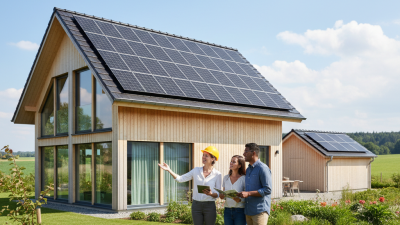
Photovoltaics convert sunlight directly into electricity. They use semiconductor materials to create a flow of energy. This technology is increasingly popular for residential use. Many rooftops now showcase PV panels. They’re scalable and suitable for individual homes. However, their efficiency can be limited on cloudy days.
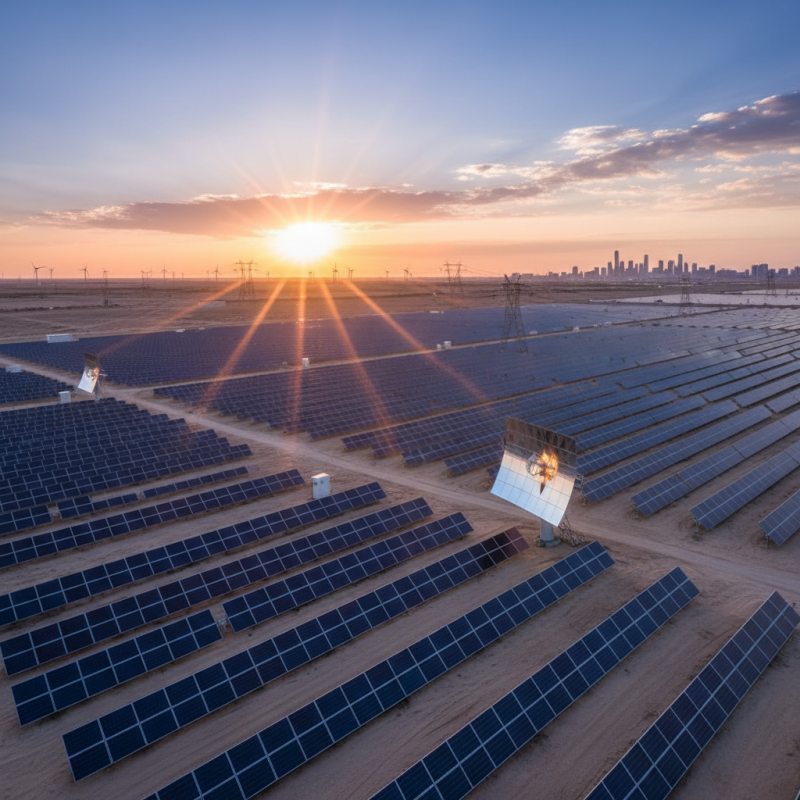
CSP, on the other hand, uses mirrors or lenses to concentrate sunlight. This creates heat, which drives a turbine to generate electricity. CSP systems often require significant space. They can be more efficient in large, sunny areas. Still, the initial costs and land use can be serious drawbacks. Not every location is suitable for CSP.
Both technologies have their
strengths. However, their limitations demand reflection. Do we always choose the most suitable option?
Environmental impact should also be considered. Balancing
efficiency and
sustainability is essential for the future of solar energy.
Step-by-Step Process of Converting Solar Energy to Electricity
Converting solar energy into electricity involves a straightforward, step-by-step process. Begin with solar panels. These panels capture sunlight and convert it into direct current (DC) electricity. They are typically made of silicon cells. Make sure the panels are clean and facing the right direction. A clean panel increases efficiency.
Next, the DC electricity needs transformation. This is where an inverter comes in. It converts DC to alternating current (AC). AC is usable in homes. Selecting the right inverter is crucial; not all are equally efficient. Sometimes, compatibility issues arise.
After conversion, connect to the electrical panel. This panel distributes electricity throughout your home. You might consider battery storage for excess energy. This allows you to use solar power at night. However, batteries can be costly and require maintenance. Remember, this system should be adaptable. Consider how your needs may change over time.
Key Components of Solar Power Systems: Inverters, Batteries, and More
When exploring solar power systems, three key components stand out:
inverters, batteries, and
photovoltaic panels.
Inverters play a crucial role. They convert DC electricity from solar panels into AC electricity for home use.
According to industry reports, inverters can account for up to 20% of
energy loss in a system. Selecting a high-quality inverter is essential to maximize efficiency.
Batteries are also vital. They store excess energy generated during sunny days for use at night or during cloudy
weather. Recent studies suggest that incorporating a battery can increase solar system efficiency by
30%. However, batteries have their downsides as well. They can be
costly and have a limited lifespan. Innovations are underway, but consumers must weigh the initial investment
against long-term savings.
Photovoltaic panels are the backbone of the system. The average efficiency of solar panels ranges between
15% to 22%. However, efficiency
can decline over time due to factors like dirt accumulation and weather effects. Choosing the right placement
and maintenance plans is crucial for optimal performance. Many homeowners overlook these factors, leading to
less effective solar energy generation. Understanding these components can help you make informed decisions
about solar energy.
Challenges and Future Trends in Solar Electricity Generation
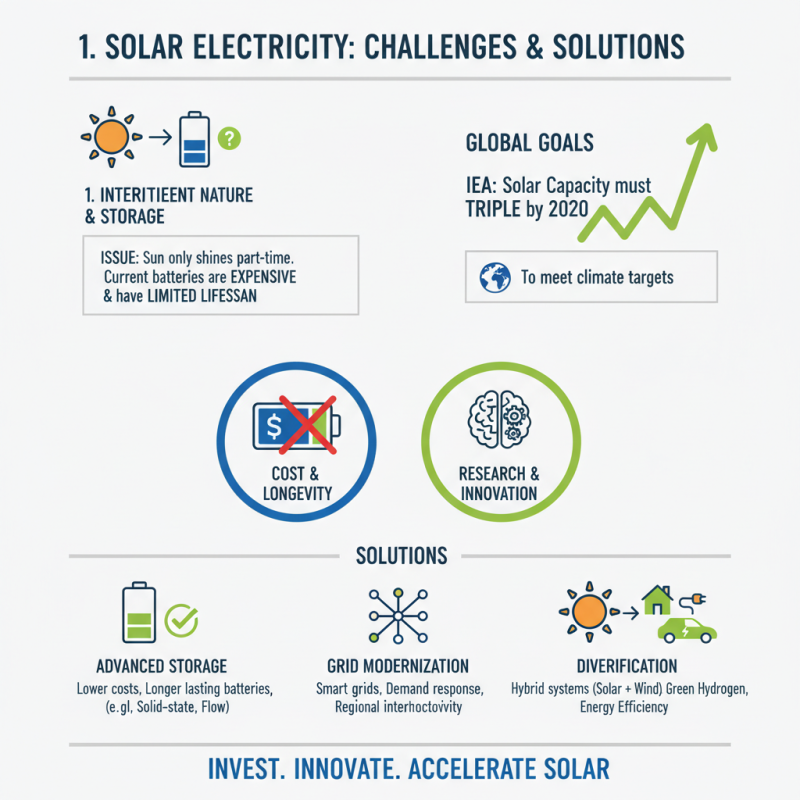
Solar electricity generation faces numerous challenges that hinder its widespread adoption. One major hurdle is the intermittent nature of solar energy. According to the International Energy Agency (IEA), solar energy capacity must triple by 2030 to meet global climate goals. This requires developing efficient energy storage solutions. Current battery technologies struggle with cost and longevity, limiting their effectiveness.
Infrastructure issues also pose significant barriers. Many regions lack the necessary grid systems to support solar integration. The U.S. Department of Energy reports that over 60% of solar installations are in areas with insufficient grid capacity. Enhancements in grid management and smart grids will be crucial for overcoming these limitations. Furthermore, solar panel efficiency is still an evolving field. Most panels convert only about 15-22% of sunlight into electricity. This presents an opportunity for research and development to improve performance.
Public awareness and financial investment are essential components of solar growth. Despite declining costs, many consumers hesitate to invest in solar technology. Education campaigns could help bridge this gap. In 2022, residential solar installations grew by only 10% in some regions. This indicates a need for more incentives and policy support. The path forward is fraught with challenges, but innovation and proactive strategies can shape a brighter future for solar electricity generation.