What is the Future of Solar Panels at the 2026 Canton Fair?
As the 2026 Canton Fair approaches, the future of Solar Panels is under keen examination. Experts predict this sector will showcase significant advancements. Renewable energy specialist Dr. Laura Green stated, "Solar Panels must evolve to meet demands." Her insights highlight an ongoing challenge: balancing efficiency with sustainability.
The Canton Fair, scheduled for April and May, will feature a dedicated focus on new materials and advanced manufacturing. This will likely include cutting-edge Solar Panel technologies. The integration of AI for efficient navigation and supplier identification could lead to exciting opportunities for innovations.
However, questions remain. Will the advancements be enough to offset costs? Can manufacturers address environmental concerns while scaling production? Attendees might find themselves grappling with these uncertainties as they explore the dynamic world of Solar Panels amid the fair's vibrant atmosphere.
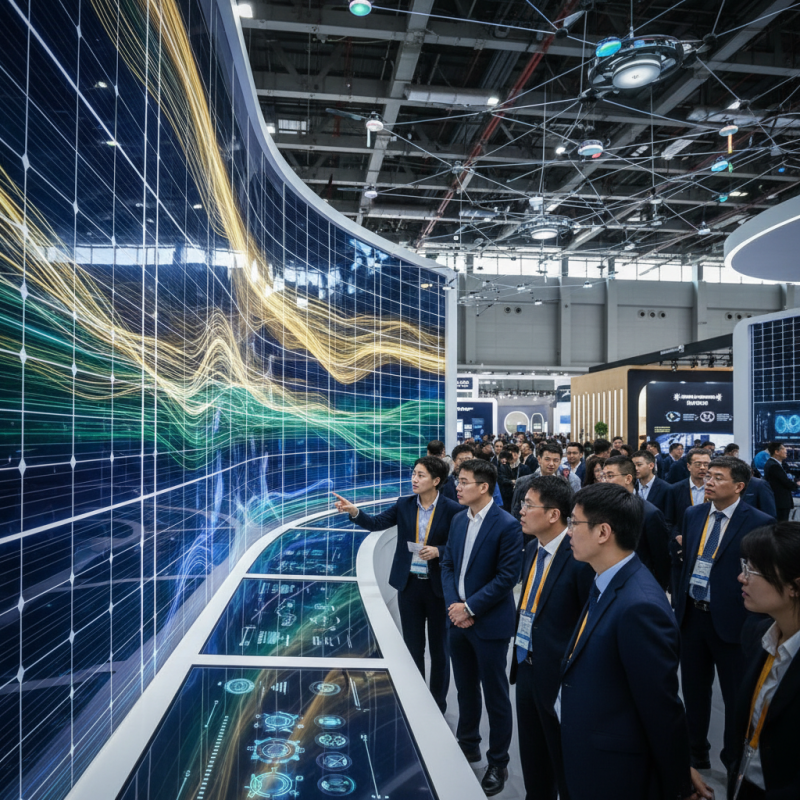
The Growth Projections for Solar Panel Market by 2026
The solar panel market is projected to show remarkable growth by 2026. Innovations in technology are driving efficiency and lowering costs. This trend is appealing to both consumers and businesses. Solar energy is no longer a niche market; it's becoming mainstream. Many countries are setting ambitious solar energy targets. The demand for clean energy is increasing each year.
However, challenges remain. Supply chain issues and material shortages can hinder progress. The transition to renewable energy is not without obstacles. Some regions still lack adequate infrastructure for solar adoption. Potential investors might hesitate due to fluctuating policies. Additionally, the recycling of old solar panels needs more attention. This aspect is critical for sustainable growth in the solar sector.
At the 2026 Canton Fair, the focus will be on these advancements. Exhibitors will showcase the latest solar technologies. Visitors can expect discussions around future trends and solutions to current issues. The growth of the solar panel market presents opportunities and challenges. Understanding these dynamics will be essential for stakeholders. Embracing innovation while addressing shortcomings is key for future success.
Technological Advancements Influencing Solar Panel Efficiency
The 2026 Canton Fair will showcase innovative solar panel technologies. These advancements are crucial for improving efficiency. As the demand for renewable energy rises, manufacturers are under pressure to optimize their products.
Recent breakthroughs include enhanced photovoltaic materials. These new materials allow panels to capture more sunlight. Moreover, improved cell designs can increase energy conversion rates. Every percentage point gained can maximize power output. However, some efficiency gains come at a cost. The balance between price and performance remains a critical issue.
Another area of exploration is energy storage integration. As solar panel efficiency increases, the need for efficient storage grows. Innovations in battery technology are needed for this transition. While some solutions look promising, not all are affordable. The ongoing challenge is how to make these technologies accessible to everyone. These are questions the industry will need to address.
Investment Trends in Solar Energy for the 2026 Canton Fair
The solar energy sector is evolving rapidly. The upcoming 2026 Canton Fair will showcase these innovations. Investment trends indicate a growing interest in solar technology. This will likely include new panel designs and more efficient systems.
Innovators are focusing on reducing costs. Manufacturers aim to produce affordable solar panels. The trend of integrating solar panels into buildings is gaining traction. This shift attracts funding and partnerships in urban areas. More investors see the potential in combined energy solutions.
**Tips:** Look for emerging technologies at the fair. Check for companies developing innovative financing options. Engage in discussions about market challenges. Understanding both successes and shortcomings can enhance investment strategies. Networking is key.
The fair will also highlight sustainability. Investors should seek companies committed to eco-friendly practices. Investing in green technologies can resonate with environmentally conscious consumers. Awareness of this trend can drive growth. Solar panel projects have their setbacks, but long-term potential exists. Observing these shifts is crucial for investors looking ahead.
Environmental Impact and Sustainability of Solar Panels by 2026
As we look ahead to the 2026 Canton Fair, the role of solar panels in sustainability becomes crucial. Solar technology is evolving, but we must consider its environmental impacts. Many panels are made with materials that have significant ecological footprints. Production processes can pollute local environments and consume vast amounts of energy. These factors should raise concerns among both manufacturers and consumers.
The future may hold improved recycling processes for old panels. However, the current situation is still a challenge. Not all regions have adequate facilities for recycling. This limitation poses risks to landfills, where discarded panels may leak harmful substances. Awareness around these issues is vital for sustainable development. Investing in more efficient, less intrusive materials must be a priority.
In summary, the future of solar panels at the Canton Fair needs critical examination. Stakeholders must prioritize the ecological consequences of solar technology. By embracing a more sustainable approach, the industry can thrive while minimizing harm. It is a complex issue that requires honest reflection and collaborative efforts.
Comparative Analysis of Solar Panel Manufacturers at the Canton Fair
At the 2026 Canton Fair, solar panels will showcase advancements and challenges. A comparative analysis reveals varying efficiency levels among manufacturers. Reports indicate that average efficiency rates range from 15% to 22%. This discrepancy raises questions about technology and materials used.
In recent data, the International Renewable Energy Agency noted a 35% increase in solar energy capacity in the last five years. However, manufacturers still face issues like cost management and scalability. Many products lack standardized testing, leading to confusion for buyers.
Trade shows like the Canton Fair highlight innovative designs. Yet, the presence of low-cost panels raises concerns about quality. It is crucial for buyers to critically assess products. As renewable energy demands grow, so does the need for transparency in solar panel manufacturing processes.