The Future of Solar Energy Systems Innovations Transforming Sustainability Spaces
The quest for sustainable energy solutions has led to remarkable innovations in solar energy systems, fundamentally transforming the way we harness and utilize renewable energy. As the world grapples with the urgent need to reduce carbon emissions and combat climate change, solar energy systems have emerged as a frontrunner in the clean energy revolution. These advanced technologies not only enhance energy efficiency and accessibility but also promote sustainability across various sectors.
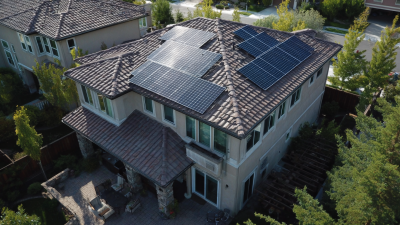
From residential rooftops to large-scale solar farms, innovations in solar energy systems are paving the way for a greener future. This exploration of cutting-edge developments will illuminate how solar energy is not just a fleeting trend but a vital component in creating resilient and sustainable energy landscapes, ensuring a cleaner environment for future generations.
As we delve deeper into this topic, we will examine the transformative impact these innovations have on various sustainability spaces and the potential they hold for shaping a more sustainable world.
Innovative Solar Technologies Revolutionizing Energy Storage Solutions
The integration of innovative solar technologies is reshaping energy storage solutions, leading to a more sustainable future. Advanced energy management systems, powered by artificial intelligence, are at the forefront of this transformation. These systems enable real-time monitoring and optimization of energy usage, ensuring that renewable sources like solar power can be utilized more efficiently. This synergy between AI and energy storage not only enhances performance but also provides greater reliability for consumers and businesses alike.
Tips: When considering the implementation of solar energy systems, it’s vital to assess the specific energy needs of your home or business. This evaluation will help in selecting the right size and type of energy storage solution to maximize efficiency and sustainability.
Additionally, innovations such as sodium-ion battery technology are emerging as game-changers in the solar energy market. These advancements promise to enhance energy storage capabilities, offering more sustainable and efficient alternatives to traditional battery systems. As we witness these changes, it’s essential for stakeholders to remain informed and adaptable, ensuring that they can leverage the latest technology for their energy needs.
The Future of Solar Energy Systems Innovations
This chart illustrates the advancements in solar energy technologies, focusing on energy storage solutions and their increasing efficiency over the years.
Integrating Smart Grids with Solar Energy for Enhanced Efficiency
The integration of smart grids with solar energy systems is revolutionizing the way we harness and distribute renewable energy. Smart grids are characterized by their advanced communication and automation technologies, which enable real-time monitoring and management of electricity supply and demand. When paired with solar energy, smart grids can optimize energy generation and usage, significantly enhancing efficiency. This synergy allows for better storage solutions, facilitating the use of solar energy even during non-sunlight hours.
Moreover, the intelligent management capabilities of smart grids can lead to a more resilient energy infrastructure. By leveraging data analytics and predictive algorithms, these systems can anticipate energy needs, reduce waste, and incorporate energy from diverse sources. This capability not only maximizes the output from solar installations but also supports grid stability and reliability. As communities increasingly adopt solar technologies, the fusion of smart grid and solar systems is crucial in achieving sustainable energy goals, paving the way for a greener future.
Sustainable Materials in Solar Panel Production: A Future Perspective
The landscape of solar panel production is undergoing a significant transformation as advancements in sustainable materials take center stage. In recent developments, flexible perovskite solar cells have emerged, demonstrating power conversion efficiencies approaching 27%. These innovative materials not only offer enhanced performance but also present a pathway toward more sustainable manufacturing processes by reducing the reliance on less environmentally friendly resources. The integration of sustainable materials in solar technologies is pivotal, as it aligns with the broader goals of reducing carbon footprints and promoting ecological balance in energy systems.
Additionally, the focus on recycling discarded solar panels highlights another critical aspect of sustainability in solar energy systems. As the solar industry expands, the management of outdated or damaged panels poses significant challenges. Innovative recycling technologies are being developed to reclaim valuable materials while minimizing environmental impact. This circular approach not only enhances the sustainability of solar energy solutions but also contributes to the overall resilience of renewable energy systems, ensuring that as demand for clean energy grows, the materials used remain environmentally viable. With these advancements, the future of solar energy systems is looking increasingly bright and sustainable.
The Future of Solar Energy Systems Innovations Transforming Sustainability Spaces - Sustainable Materials in Solar Panel Production: A Future Perspective
| Innovation Type |
Material Used |
Environmental Impact |
Efficiency Improvement |
Potential Market Growth |
| Perovskite Solar Cells |
Perovskite materials |
Lower CO2 emissions compared to traditional materials |
Up to 25% increase |
Expected to reach $78 billion by 2030 |
| Bifacial Solar Panels |
Glass and aluminum |
Utilizes reflected light, enhancing efficiency |
15-20% more output |
Projected growth of 21% CAGR by 2025 |
| Recyclable Solar Panels |
Recyclable materials (glass, metals) |
Minimizes waste and resource consumption |
No change in efficiency, sustainability improved |
Increasing demand in eco-conscious markets |
| Organic Photovoltaics |
Organic compounds |
Lower environmental impact over lifecycle |
Currently lower, >15% potential in the future |
Expected growth to $4.8 billion by 2025 |
The Role of AI and IoT in Optimizing Solar Energy Systems
 The integration of artificial intelligence (AI) and the Internet of Things (IoT) in solar energy systems is driving significant advancements in energy management, particularly through the evolution of Home Energy Management Systems (HEMS). With the market projected to reach $5.382 billion by 2025 and grow to $19.98 billion by 2033, the focus on optimizing solar energy usage is becoming increasingly crucial. AI technology enables smarter energy distribution and consumption patterns, allowing households to manage energy flow more efficiently. This innovation enhances sustainability and reduces operational costs, paving the way for a greener future.
Companies that started with solar monitoring are now expanding their offerings to include comprehensive energy management solutions powered by AI. These services span various domains such as post-meter energy storage and microgrid technologies, significantly contributing to decentralized energy systems. By harnessing AI, energy management can become predictive and adaptive, facilitating improved reliability and sustainability within the energy landscape. The continuous development of these technologies indicates a flourishing market, where innovation not only enhances user experiences but also plays a crucial role in combating climate change and promoting energy independence.
Building Community Resilience through Decentralized Solar Solutions
Decentralized solar solutions are emerging as a transformative force in building community resilience, offering sustainable alternatives to traditional power systems. By harnessing local resources, such as solar energy and microgrids, communities can reduce reliance on centralized grids prone to disruption. For instance, reports indicate that microgrids can enhance resilience by providing 20-30% more reliability during extreme weather events compared to conventional systems. This shift not only empowers communities but also promotes energy justice by ensuring equitable access to resources.
In regions like northern Pakistan and Malawi, community-driven energy initiatives are paving the way for sustainable development. These projects have demonstrated that small-scale, localized solutions can significantly improve energy access and economic stability. According to recent studies, investments in decentralized renewable energy systems offer a potential cost savings of 20-50% compared to traditional energy sources over the long term. Such innovations highlight the importance of local adaption to meet unique community needs.
Tips:
1. Consider engaging with local governments and nonprofits to identify potential funding for community solar projects.
2. Explore partnerships with technology providers to implement smart microgrid solutions that cater to your community's specific requirements.