Unlocking the Future of Energy with Innovative Solar Power Solutions for Homes and Businesses
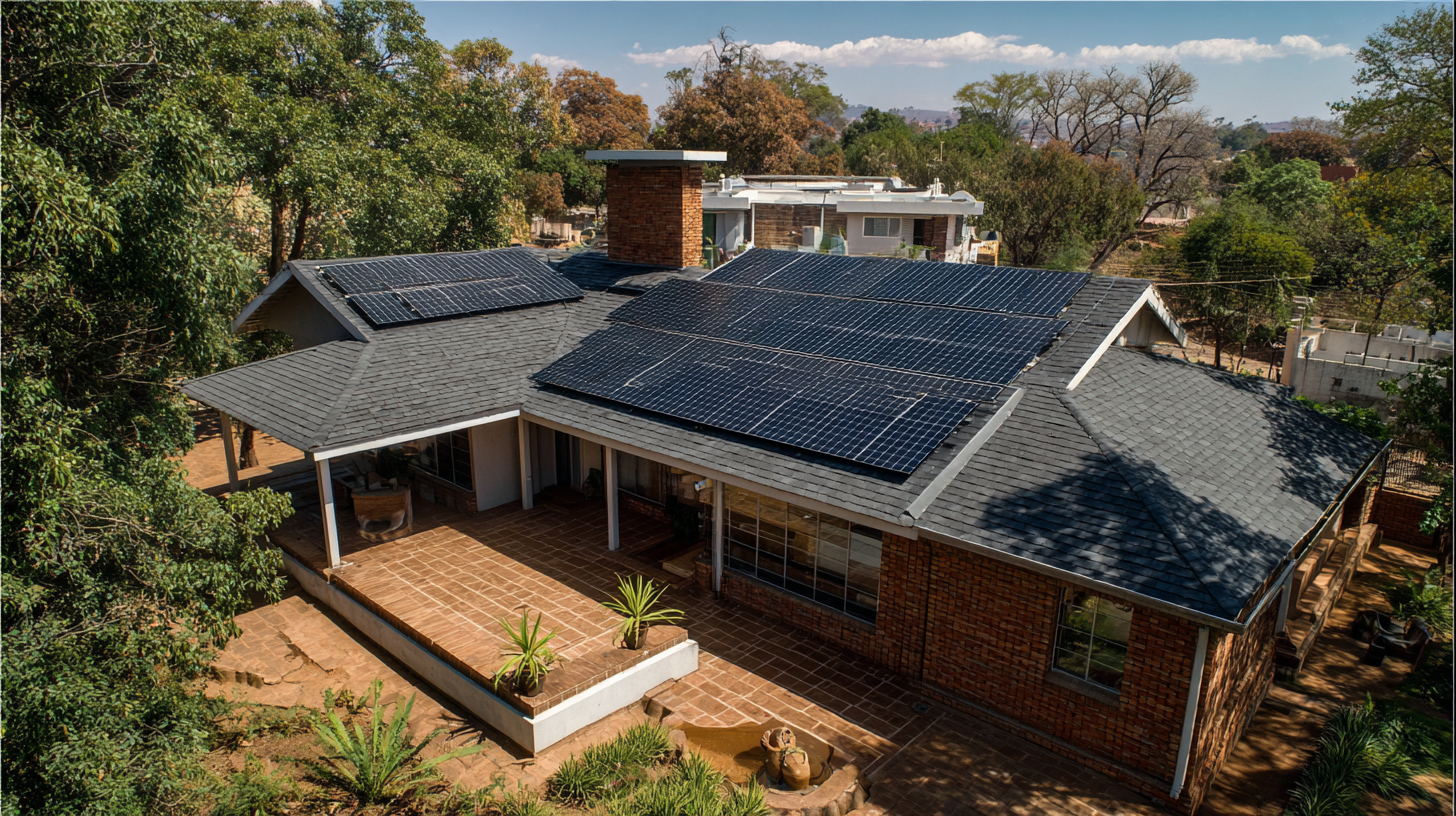
The shift towards renewable energy sources has accelerated dramatically in recent years, with solar power solutions at the forefront of this transformation. According to the International Energy Agency (IEA), solar energy is projected to become the largest source of electricity generation globally by 2030, with a remarkable growth rate of 20% annually. As households and businesses increasingly recognize the financial and environmental benefits of adopting solar power solutions, the market is poised for expansion, driven by advancements in technology and decreasing installation costs. Reports indicate that solar energy could potentially save U.S. homeowners over $30 billion by 2030, further incentivizing the switch to sustainable energy practices. This surge in interest not only reflects a commitment to combating climate change but also signals a significant opportunity for innovation within the energy sector.
Understanding the Basics of Solar Power Solutions for Residential and Commercial Use
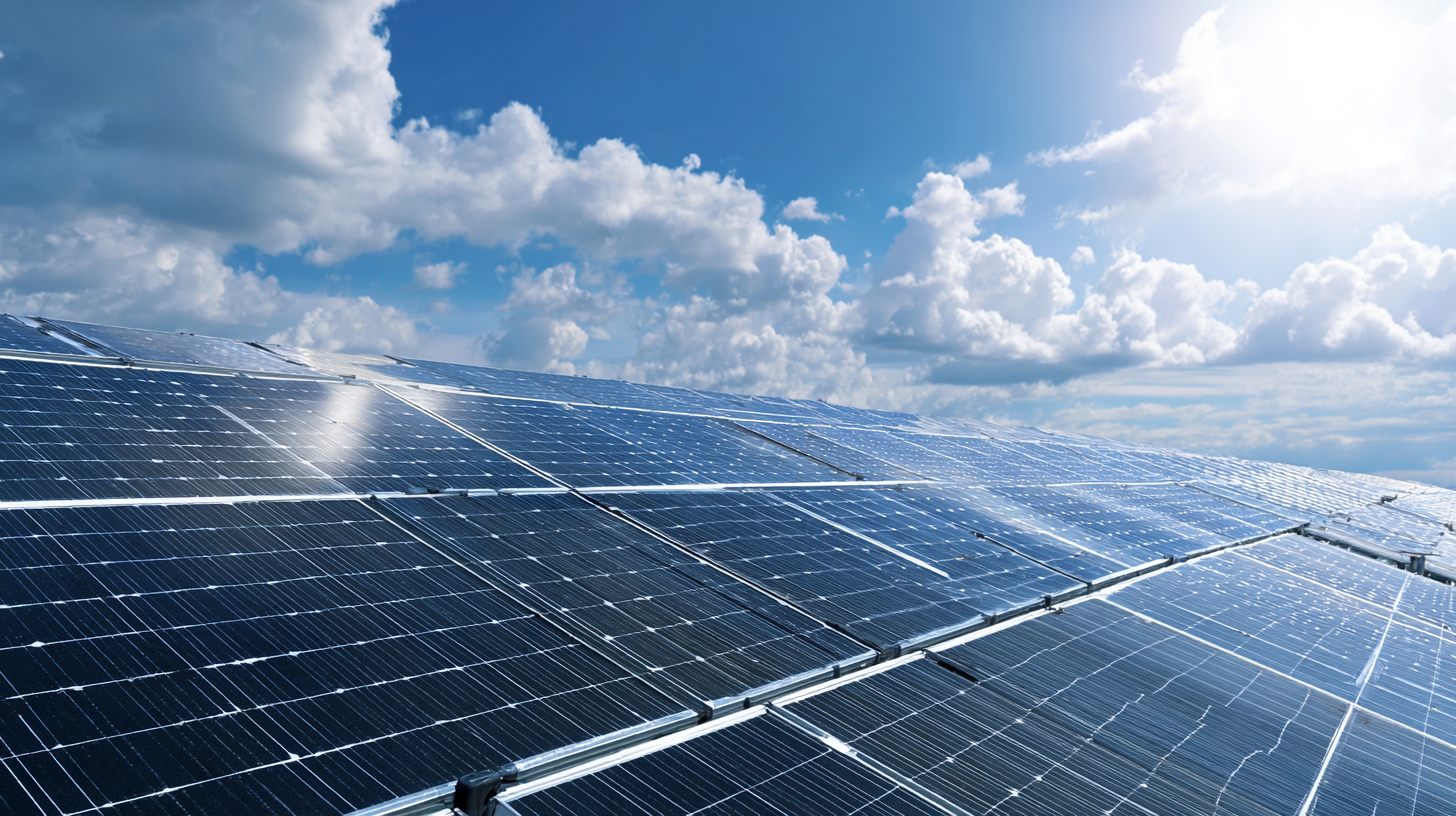
As the demand for sustainable energy solutions continues to grow, understanding the basics of solar power is essential for both residential and commercial applications. According to a report by the Solar Energy Industries Association (SEIA), U.S. solar capacity has grown over 167 gigawatts (GW) since 2010, providing enough energy to power over 32 million homes. This growth reflects not only the decreasing costs of solar technology but also a significant shift in consumer attitudes towards renewable energy.
Residential solar systems typically consist of photovoltaic (PV) panels that convert sunlight into electricity, which can be utilized to power homes, reducing reliance on traditional energy sources. For businesses, solar installations offer a strategic advantage by lowering energy bills and enhancing sustainability credentials, with data from Lazard indicating that the levelized cost of solar energy is now less than that of coal or natural gas in many regions. Investing in solar power can lead to substantial long-term savings and is a crucial step towards a greener future for both individuals and organizations.
Evaluating Different Types of Solar Panels for Maximum Efficiency and Cost Savings
The solar panel market is witnessing dynamic growth, driven by the increasing demand for efficient and aesthetically pleasing energy solutions for homes and businesses. By 2024, the solar roof mounting bracket market is projected to be valued at $14.56 billion, with expectations to reach $38.34 billion by 2032, reflecting a robust growth rate of 11.7%. This trend underscores the necessity for innovative solar technologies that seamlessly integrate into traditional roofing systems, such as solar tiles, without compromising visual appeal.
In selecting solar panels, efficiency and long-term performance are critical. Top-tier solar panels generally have an average lifespan of 25 years, although many begin to lose efficiency after about six years. Hence, homeowners and businesses are encouraged to opt for high-quality Tier 1 panels to ensure robust, future-proof installations. For instance, a comparative analysis of leading solar products highlights that certain brands consistently rank highest in efficiency, contributing significantly to potential energy savings and cost effectiveness. As the sector evolves with advancements such as photovoltaic panel cleaning robots, which are expected to grow at a CAGR of 16.7% from 2024 to 2030, and virtual power plant software, projecting a market size increase to $3.1 billion by 2030, the future of solar energy looks promising.
Unlocking the Future of Energy: Solar Panel Efficiency Comparison
This chart illustrates the efficiency percentages of different types of solar panels, revealing that monocrystalline panels currently lead in efficiency. Understanding these differences can help homeowners and businesses make informed decisions about solar energy investments.
Step-by-Step Guide to Installing Solar Power Systems for Homes and Businesses
The installation of solar power systems has seen a significant surge in recent years, with the U.S. solar market anticipating an addition of 100 GW of solar capacity by 2024, according to the Solar Energy Industries Association (SEIA). This offers an incredible opportunity for homeowners and businesses alike to reduce their electricity bills and carbon footprints. The first step in this transition involves assessing your energy needs—considering factors like energy consumption patterns and available roof space. Accurate assessment ensures that the right size solar system is installed, optimizing efficiency and returns on investment.
Once the assessment is complete, the next phase is selecting the right equipment. High-efficiency solar panels, often boasting efficiencies above 20%, can generate more power in limited space. Coupled with the installation of a solar inverter and battery storage systems, users can maximize their energy independence. According to a report by the International Renewable Energy Agency (IRENA), integrating battery storage can enhance the resilience of energy systems by providing stability during peak usage times and power outages, making solar a compelling choice for both residential and commercial applications. With the cost of solar technology declining steadily—experiencing a 34% decrease since 2019—now is an ideal time for stakeholders to invest in sustainable energy solutions.
Innovative Technologies Transforming Solar Energy Storage and Management
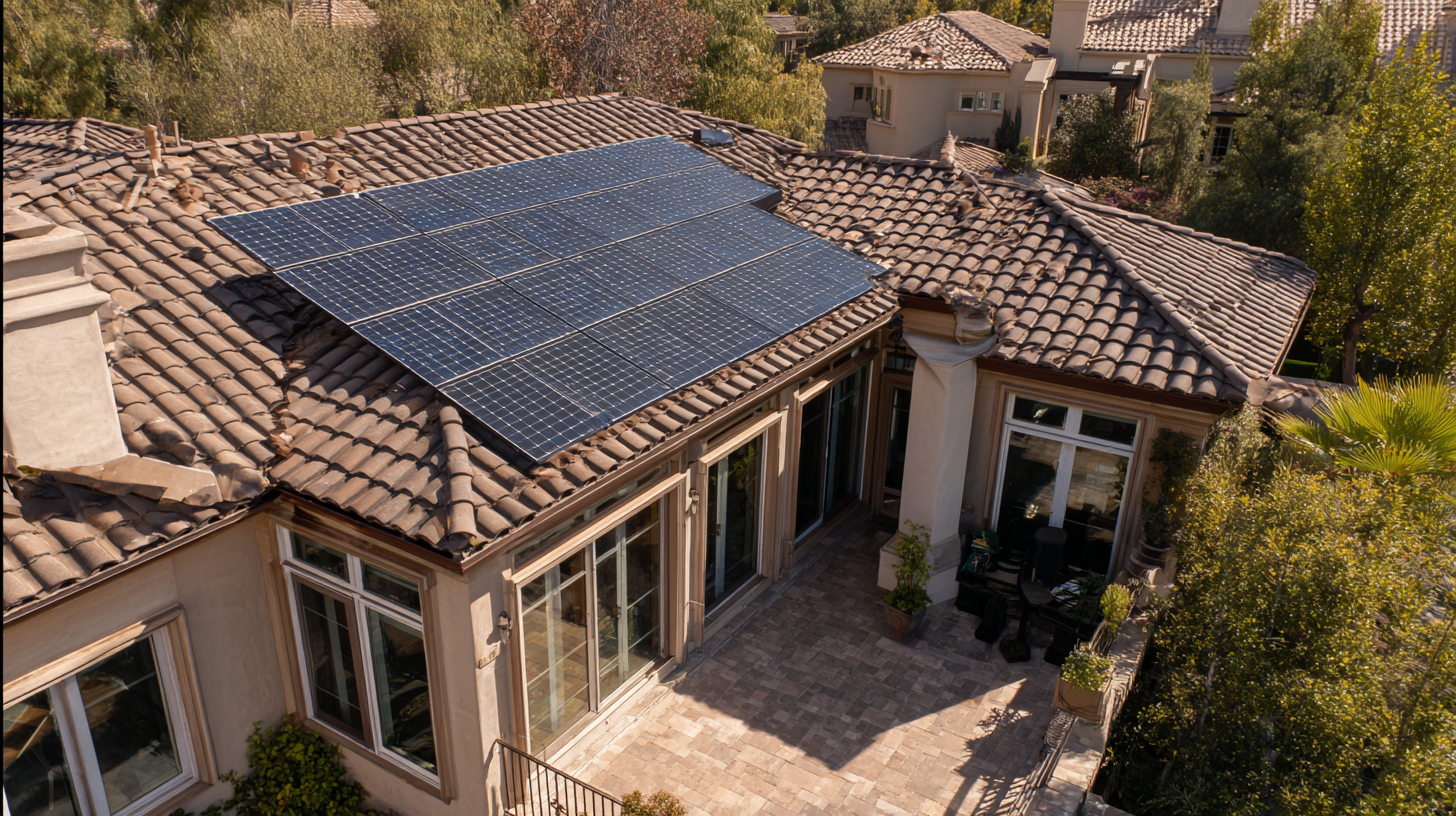 Innovative technologies are reshaping the landscape of solar energy storage and management, making it more accessible and efficient for both homeowners and businesses. According to a report by Bloomberg New Energy Finance, global investments in energy storage are projected to reach $620 billion by 2040, driven largely by advancements in battery technology and smart grid solutions. These developments enable users to optimize energy consumption and enhance the reliability of solar power systems, ensuring that they can harness energy even when the sun isn't shining.
Additionally, the integration of artificial intelligence (AI) and machine learning into solar energy management systems is revolutionizing how energy is stored and distributed. A study from the International Energy Agency (IEA) highlights that smart energy management systems can increase the efficiency of solar panel usage by up to 20%. This efficiency boost not only maximizes energy output but also minimizes waste, leading to significant cost savings for consumers. As these innovative solutions continue to evolve, they promise a brighter and more sustainable future for energy management across the globe.
Financial Incentives and Funding Options for Investing in Solar Energy Solutions
As the push for renewable energy solutions grows, many homeowners and businesses are turning to solar power, not just for environmental benefits but also for financial incentives. According to the Solar Energy Industries Association (SEIA), the U.S. solar market increased by 43% in 2020 compared to the previous year, driven significantly by federal and state incentives. Tax credits, such as the federal Investment Tax Credit (ITC), allow homeowners to deduct a substantial portion of their solar installation costs from their federal taxes, which directly makes the shift to solar more financially attractive.
Furthermore, various financing options have emerged, making solar energy more accessible. Programs like Power Purchase Agreements (PPAs) and solar leases enable individuals and businesses to install solar panels with little to no upfront costs. A report from the National Renewable Energy Laboratory (NREL) indicates that nearly 80% of solar users opt for these financing models, which not only alleviate the financial burden but also allow users to benefit from immediate energy savings. With increasingly favorable policies and innovative funding options, investing in solar power has never been more viable for both residential and commercial sectors.