Top Energy Solutions for a Sustainable Future?
In today's world, the quest for sustainable energy solutions is more critical than ever. Experts like Dr. Emma Johnson, a leading figure in renewable energy research, emphasize that "the future of energy lies in innovation and sustainability." Her insights highlight the need for fresh approaches to meet our growing energy demands.
Energy solutions must focus on environmental impact and efficiency. Traditional methods often fail to address climate change effectively. As cities expand and populations grow, reliance on fossil fuels can no longer suffice. We need comprehensive strategies that utilize wind, solar, and other renewable sources. The challenge remains: how to implement these solutions on a large scale.
While advancements are promising, flaws exist in the current systems. For example, energy storage technologies still require refinement. In many scenarios, transitioning to sustainable options faces economic barriers. The path toward a truly sustainable future will demand creative thinking and collaboration across various sectors. Balancing innovation with practicality is crucial for success.
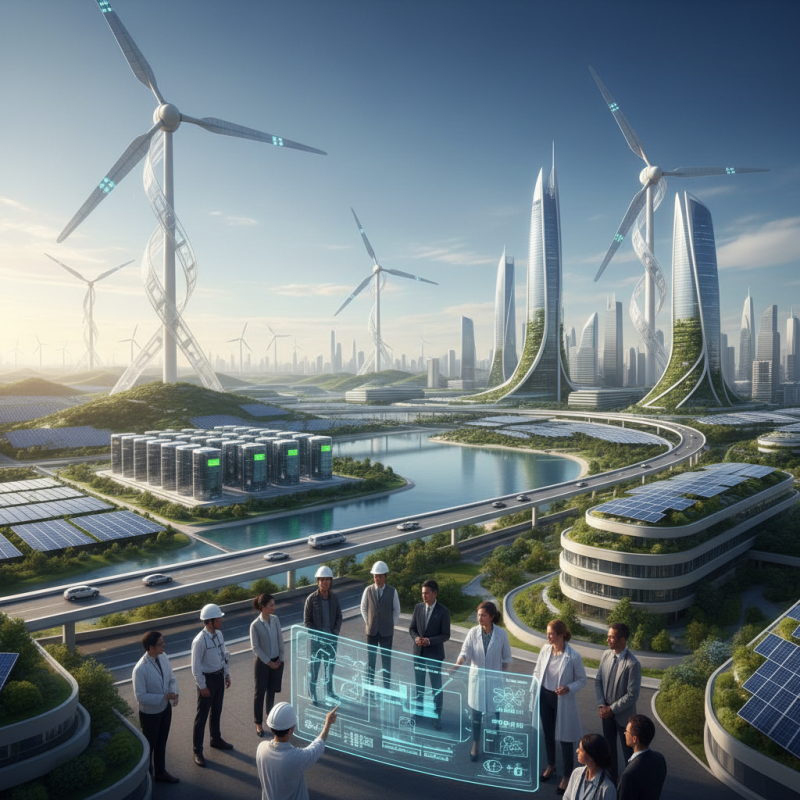
Innovative Renewable Energy Sources for Sustainable Development
Innovative renewable energy sources are vital for a sustainable future. Wind energy, for instance, harnesses air flow into electricity.
The process seems simple, but it requires significant investment in technology. Many regions still lag behind, lacking infrastructure.
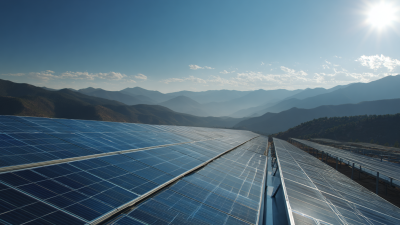
Solar power is another critical player. Solar panels convert sunlight into energy, but not all locations have optimal sunlight. Efficiency varies greatly based on climate and location.
Bioenergy is also gaining attention. It utilizes organic materials for power. While it sounds promising, challenges arise. Managing waste and ensuring sustainability can be complex. Some argue that it competes with food production, leading to food scarcity issues.
Hydropower remains significant, yet it often disrupts local ecosystems. Balancing energy needs with environmental preservation is a constant struggle.
Energy storage solutions like batteries are crucial. They address the intermittent nature of renewable sources. However, raw materials for batteries often come from environmentally taxing mining practices. There’s a need for innovation in recycling and sourcing. Embracing various renewable technologies is essential, but we must reflect on their broader impact and strive for more balance in development.
The Role of Energy Efficiency in Reducing Carbon Footprint
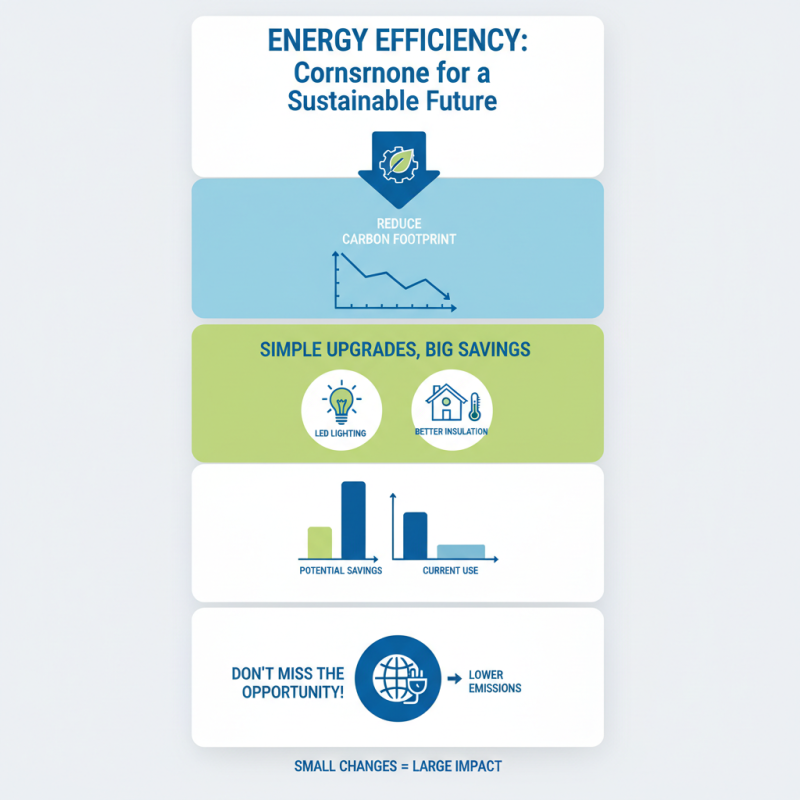
Energy efficiency serves as a cornerstone in the quest for a sustainable future. By focusing on reducing energy waste, we can significantly lower our carbon footprint. Simple changes, like using LED lighting or better insulation, can yield substantial energy savings. Many households overlook these basic upgrades. The impact of such changes is often underestimated, leading to missed opportunities for reducing emissions.
Buildings consume nearly 40% of energy globally. By enhancing energy efficiency, we can transform urban landscapes. However, many buildings remain outdated. They lack the technology for optimal energy use. Retrofitting older structures can be a complex and costly challenge. Communities sometimes resist change, making it harder to implement sustainable practices.
Public awareness plays a crucial role in this transition. Many people are unaware of their energy consumption. Education can lead to informed choices, driving demand for efficient solutions. Some might find these initiatives uninteresting or unnecessary. Yet, the benefits extend beyond individual savings. A collective effort towards energy efficiency can spark significant environmental gains. A shift in mindset is essential for real progress.
Emerging Technologies in Energy Storage Solutions
Emerging technologies in energy storage present exciting opportunities for a sustainable future. As the world shifts towards renewable energy, efficient storage solutions become essential. Batteries, for instance, can store excess solar and wind energy for later use. However, current battery technologies face limitations. Charging times can be long, and the lifespan of batteries often falls short of expectations.
Another innovative solution is thermal energy storage. This method captures heat produced from solar installations. The heat is stored in mediums like molten salts or water. When energy demand rises, this stored heat can be converted back into electricity. While promising, the challenge remains in optimizing the efficiency of heat retention. Research continues to address these drawbacks.
Hydrogen storage is an interesting avenue too. It allows excess energy to generate hydrogen gas through electrolysis. This gas can power fuel cells or be stored for industrial use. However, the process remains energy-intensive and costly. Overcoming these hurdles could unlock hydrogen's full potential. Each technology serves as a stepping stone toward a more resilient energy future. The path forward is filled with challenges, but the potential impact is profound.
Top Energy Solutions for a Sustainable Future - Emerging Technologies in Energy Storage Solutions
| Technology |
Energy Density (Wh/kg) |
Cycle Life (Cycles) |
Charging Speed (Hours) |
Environmental Impact |
| Lithium-Ion Batteries |
150-250 |
500-1500 |
1-5 |
Moderate |
| Solid-State Batteries |
200-400 |
2000+ |
1-3 |
Low |
| Flow Batteries |
20-40 |
10000+ |
4-8 |
Medium |
| Supercapacitors |
5-10 |
500000+ |
0.1-0.5 |
High |
| Hydrogen Fuel Cells |
100-250 |
2000-4000 |
1-2 |
Low |
Policies and Incentives Promoting Clean Energy Adoption
Clean energy adoption hinges on effective policies and incentives.
Governments play a crucial role in this shift.
They can create frameworks that support renewable projects.
Tax credits and grants encourage businesses to invest in solar and wind.
These financial tools lower the entry barrier.
Many industries find it easier to transition.
However, not all initiatives are equally effective.
Some policies might lack clear guidelines.
Others may offer insufficient incentives.
This discrepancy can discourage innovation.
For instance, small businesses might struggle to access funds.
Complicated application processes deter participation.
Societal engagement is essential but often overlooked.
Encouraging communities to take part can enhance acceptance.
Moreover, while many regions push for clean energy, obstacles remain.
Infrastructure may not support rapid change.
Outdated systems delay progress.
A comprehensive approach must include education and awareness.
Communities need to understand the benefits of clean energy.
Engagement creates a motivated public.
With the right policies, a sustainable future is achievable, but challenges linger.
Future Trends in Global Energy Consumption and Sustainability
As global energy consumption rises, the demand for sustainable solutions intensifies. According to the International Energy Agency (IEA), renewable energy sources are projected to supply 80% of global electricity by 2050. This significant shift reflects a growing recognition of climate change and resource depletion. However, reliance on renewables isn’t without challenges. Storage technology lags behind, making energy stability a concern.
Additionally, the World Wildlife Fund (WWF) reports that energy consumption per capita is expected to increase, especially in developing nations. Innovations in energy efficiency, such as increasing building insulation and smarter grid management, will play a crucial role. Cities must rethink energy strategies. Urban areas often struggle with outdated infrastructures, leading to inefficiencies. There’s a pressing need for a holistic approach.
Transitioning to a sustainable energy future also presents socio-economic hurdles. Energy access remains uneven across the globe. While some regions achieve rapid advancements, others face significant barriers. Furthermore, shifts in energy production could impact jobs in traditional sectors. We must address these disparities as we strive for a greener planet. Embracing innovative technologies and equitable policies is paramount for a sustainable energy landscape.
Top Energy Solutions for a Sustainable Future