Top 10 Tips for Choosing Solar Energy Systems for Your Business?
As businesses increasingly turn to renewable energy, solar energy systems have emerged as a viable solution. Dr. Emily Carter, a leading expert in renewable energy technologies, emphasizes, “Investing in solar energy systems not only reduces operational costs but also contributes to sustainability.” This insight is crucial for businesses considering solar energy.
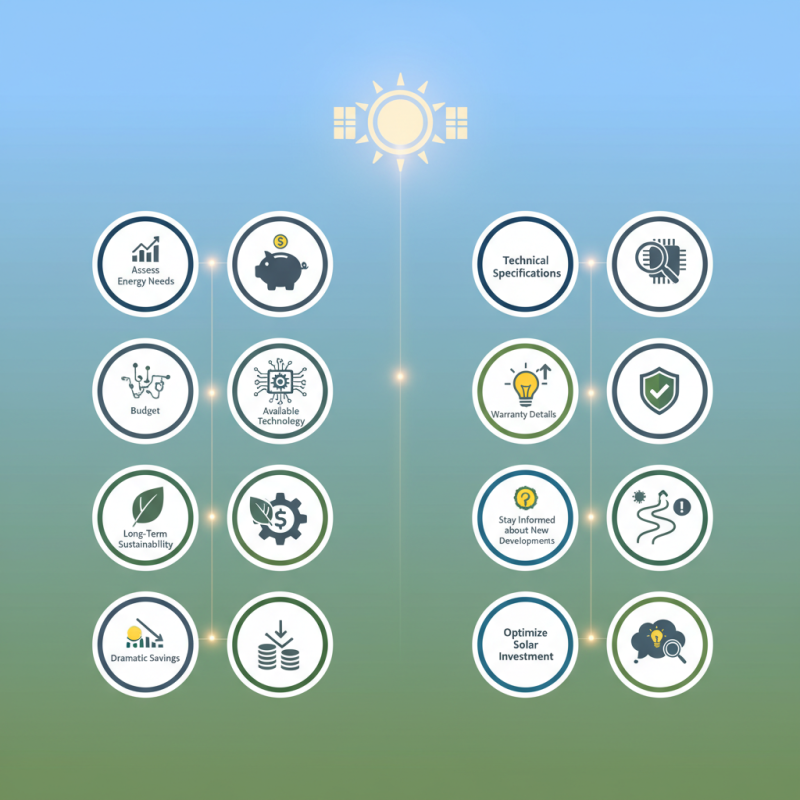
Selecting the right solar energy systems requires careful consideration. It's vital to assess your energy needs, budget, and the available technology. Businesses often overlook the importance of long-term sustainability. Choosing the right system can lead to dramatic savings. You must analyze the technical specifications and warranty details as well.
In the rapidly evolving solar industry, outdated choices can lead to inefficiency. Experts urge businesses to stay informed about new developments. The landscape is changing quickly, presenting both opportunities and challenges. Reflecting on your decision-making process can yield insights into optimizing your solar investment. Every detail matters when choosing solar energy systems for a successful transition to renewable energy.
Understanding Your Business Energy Needs and Goals
Understanding your business energy needs is crucial. Start by analyzing your current energy consumption. Review your past utility bills for patterns. Identify peak usage times and equipment that consumes the most energy. This data will guide you in selecting solar solutions that fit your requirements.
Set clear energy goals for your business. Decide if you want to reduce costs, enhance sustainability, or both. Consider whether you aim to power specific operations or achieve energy independence. Knowing these goals will streamline your decision-making process. Consult with energy experts to gain insights into optimal system designs that match your objectives.
Reflect on potential challenges, such as upfront costs or system maintenance. Not every solar option will suit your business model. Regularly reassess your energy needs as your business evolves. This ongoing evaluation ensures your solar investment remains effective and aligned with goals. Embrace the journey of adaptation and improvement.
Evaluating Different Types of Solar Energy Systems Available
When evaluating different types of solar energy systems for your business, the variety can be overwhelming. You might encounter grid-tied, off-grid, and hybrid systems. Each option has unique features. Grid-tied systems are popular for their ability to draw from the grid, reducing reliance on battery storage. Off-grid systems offer independence and are ideal for remote areas. However, they can be costly and require significant planning.
Consider specific energy needs. Talk with energy consultants. Understand your business’s power consumption patterns. Analyze roof space and orientation for solar panels. This affects energy production. Larger spaces may benefit from a greater number of panels. Smaller businesses should assess their energy demand to avoid overinvestment. It’s essential to distinguish between aesthetics and practicality.
Many factors could lead to regret later. Installation quality plays a crucial role in system durability. Cheap materials can result in failures over time. Look for quality assurance and warranties. Investing in a reliable system is essential. Make sure to inquire about maintenance requirements and service availability. Such details can determine long-term satisfaction. This thorough evaluation will lead to a more informed decision on solar energy systems.
Assessing Costs, Incentives, and Financing Options for Solar Systems
Choosing the right solar energy system for your business involves careful financial planning. Costs can vary significantly based on the system size and installation specifics. Many companies may overlook hidden expenses like maintenance and repairs. Understanding these costs is essential to avoid budget overruns.
Incentives play a crucial role in making solar energy more accessible and affordable. Government programs often offer tax credits or rebates that can offset initial expenses. It’s important to research these incentives thoroughly. Neglecting to secure these financial aids could lead to missed savings.
Financing options are diverse. Businesses can consider traditional loans, leasing, or Power Purchase Agreements (PPAs). Each option has its advantages and drawbacks. PPA arrangements require no upfront payments but could lead to long-term contracts. Assess each option carefully to determine what fits your business goals. Reflecting on these factors allows for informed decisions in solar investment.
Selecting a Qualified Solar Provider and Installation Team
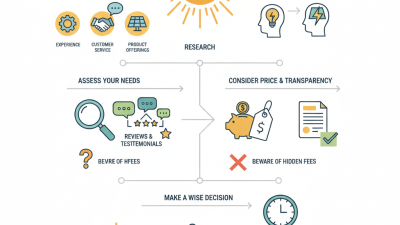
When selecting a qualified solar provider and installation team, expertise is crucial. Look for companies with proven experience in solar energy systems. Check their past projects and client reviews. A reliable provider should openly share their success stories. They need to understand the specific needs of your business. Tailored solutions are essential for effective energy management.
Communication is key during the selection process. Ask potential providers about their installation process and timelines. An effective team will keep you informed at every stage. Transparency builds trust, but some providers may promise too much. Skepticism can help you avoid issues later on. Look for certifications or endorsements that signify expertise and reliability.
Be wary of low bids. Some companies cut corners to win projects. This can lead to future complications and high maintenance costs. A dependable installation should last years without major issues. Therefore, prioritize quality over price. Take your time to evaluate and choose wisely, as the right team can significantly impact your solar journey.
Top 10 Tips for Choosing Solar Energy Systems for Your Business
| Tip No. |
Tip |
Details |
| 1 |
Assess Energy Needs |
Evaluate your current energy consumption and identify areas for potential savings. |
| 2 |
Research Solar Providers |
Seek reputable installers with positive customer feedback and solid experience. |
| 3 |
Understand Local Regulations |
Familiarize yourself with local laws and any necessary permits for solar installations. |
| 4 |
Evaluate System Components |
Consider the quality of solar panels, inverters, and mounting systems. |
| 5 |
Check for Warranties |
Look for comprehensive warranties that cover product performance and installations. |
| 6 |
Get Multiple Quotes |
Request estimates from several providers to compare pricing and services. |
| 7 |
Consider Financing Options |
Explore various financing solutions and incentives available for businesses. |
| 8 |
Assess Installation Timeline |
Inquire about the expected schedule for installation and any possible delays. |
| 9 |
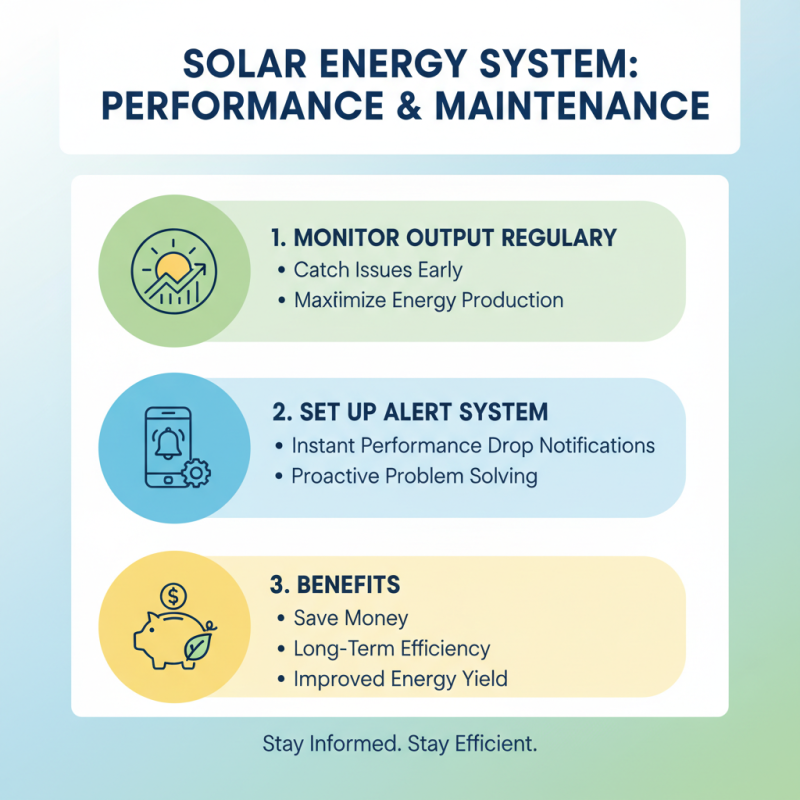
Plan for Maintenance |
Understand maintenance requirements and availability of service post-installation. |
| 10 |
Monitor System Performance |
Implement monitoring systems to track energy production and efficiency. |