How to Choose the Best Solar Energy Systems for Your Home?
Choosing the right solar energy systems for your home is crucial in today's evolving energy landscape. As reported by the U.S. Department of Energy, solar energy accounted for over 3% of the total electricity generated in the nation in 2022. This percentage continues to rise as more homeowners recognize the benefits of renewable energy. Cost savings, environmental impact, and energy independence drive many to consider solar options.
Solar energy systems vary widely, from rooftop panels to ground-mounted installations. Each type has unique advantages and considerations. A 2023 study indicates that 80% of homeowners believe that investing in solar systems increases their property value. However, a significant number remain unsure about system selection and installation. This confusion can lead to missed opportunities and inadequate energy solutions.
Understanding your specific energy needs and local incentives is essential. Many homeowners overlook important factors, such as energy consumption patterns and available solar technologies. Selecting the best solar energy systems requires thoughtful reflection and research. Addressing these complexities ensures a more informed and effective decision in embracing solar technology for your home.
Understanding Your Home's Energy Needs
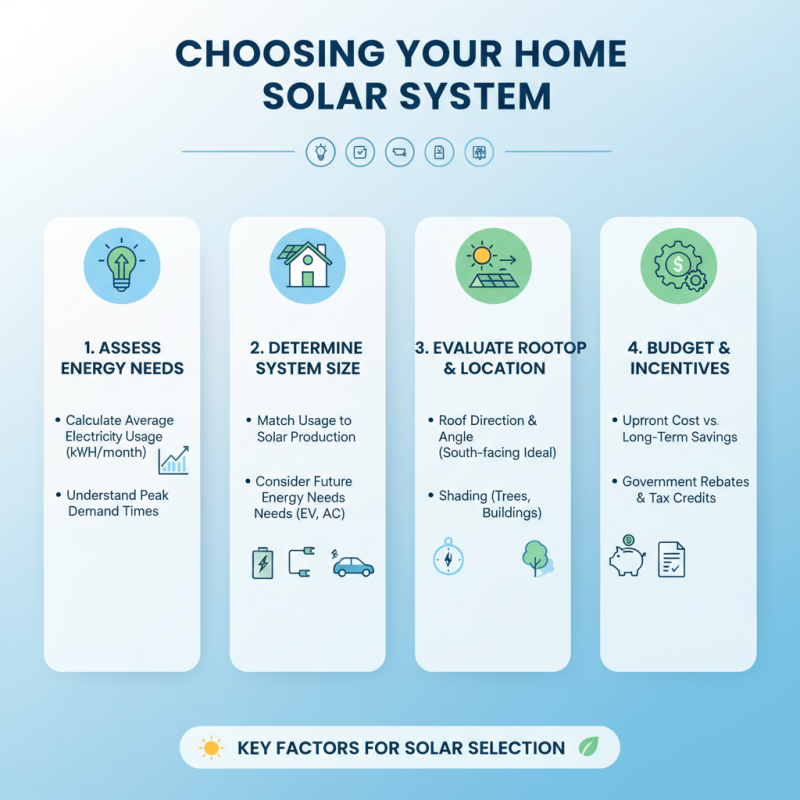
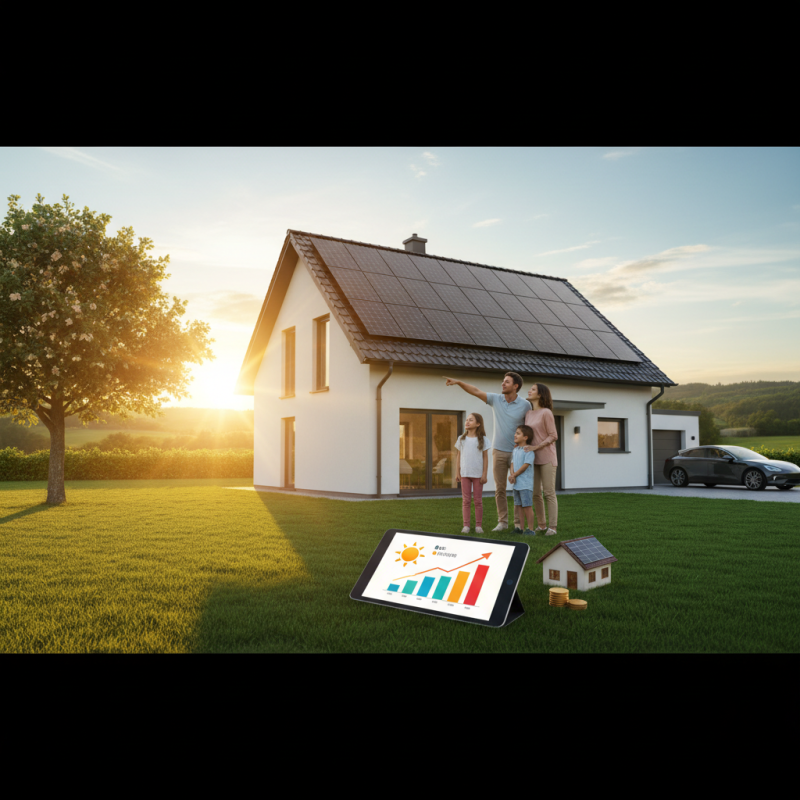
Understanding your home's energy needs is crucial when selecting a solar energy system. Start by evaluating your electricity usage. Check your past energy bills to determine your average monthly consumption. This will provide a clear baseline for how much power your solar system should produce.
Think about your appliances, seasonal changes, and usage patterns. If you have a swimming pool or electric vehicle, you'll need additional capacity. Keep in mind that energy needs can shift over time, so choose a flexible system.
Tips: Consider installing a smart meter for real-time data monitoring. It can help you track usage patterns effectively. Regularly reflect on changes in your lifestyle that impact energy consumption. Another important point is to anticipate future needs. Expanding your family or acquiring new devices can increase your demand significantly.
Once you assess your energy needs, explore system sizes that match those requirements. Don’t forget to factor in the solar panel efficiency and local sunlight exposure. Understanding these details will lead to better decision-making in your solar energy journey.
Types of Solar Energy Systems Available
When considering solar energy systems for your home, it's essential to explore the various types available. Each option has unique features that can cater to different needs and budgets. One popular choice is grid-tied systems. These connect directly to the electricity grid, allowing homeowners to use solar energy while having backup power from the grid when needed. This option can also reduce electricity bills through net metering.
Another type is off-grid solar systems. These are ideal for homes in remote locations. Off-grid systems are self-sufficient and rely on batteries to store energy. However, they require careful planning and investment. Homeowners must size the system correctly to meet their energy needs, which can be challenging.
Lastly, hybrid systems combine features of both grid-tied and off-grid systems. They offer flexibility by connecting to the grid while also having battery storage. This setup can provide security during power outages. However, hybrid systems can be more complex and expensive. Each option has its pros and cons, so it's crucial to assess your specific energy requirements and financial situation before making a decision.
How to Choose the Best Solar Energy Systems for Your Home? - Types of Solar Energy Systems Available
| Type of Solar Energy System |
Description |
Efficiency |
Cost (Estimated) |
Ideal For |
| Grid-Tied Solar System |
Connected to the local energy grid, allowing for net metering |
15%-20% |
$10,000 - $30,000 |
Homes with grid access |
| Off-Grid Solar System |
Standalone system that is not connected to the grid, relying on battery storage |
10%-15% |
$20,000 - $40,000 |
Remote locations without grid access |
| Hybrid Solar System |
Combines grid-tied and off-grid systems, with battery storage |
15%-20% |
$15,000 - $35,000 |
Homes looking for flexibility and backup |
| Solar Water Heating System |
Uses solar energy to heat water for residential use |
50%-70% |
$5,000 - $10,000 |
Homes needing hot water solutions |
Evaluating Solar Energy System Costs and Incentives
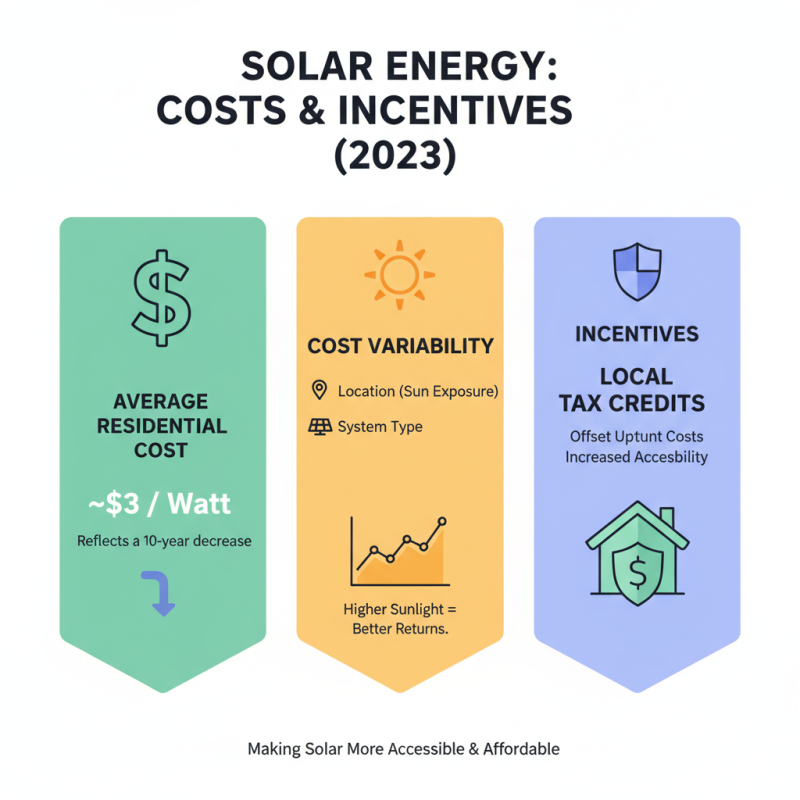
When considering solar energy systems, understanding costs and incentives is crucial. In 2023, the average cost of residential solar system installations was approximately $3 per watt. This reflects a gradual decrease over the past decade, which makes solar energy more accessible. However, installation costs can vary significantly based on location and the type of system chosen. Cities with high sunlight exposure often have better financial returns. Local tax incentives can help offset upfront costs, making solar installations more appealing.
Various federal and state incentives are available. The federal solar tax credit offers a significant 26% credit for installations completed before 2024. However, this might decrease in the coming years. Some states provide rebates and performance-based incentives, which can further enhance savings. Research from the Solar Energy Industries Association indicates that homeowners can save over $20,000 over twenty years by switching to solar energy. Yet, not every homeowner is aware of these programs.
Understanding the long-term costs versus savings is vital. Some homeowners may underestimate maintenance costs and system efficiency over time. In some cases, older systems underperform, causing unexpected expenses. It’s essential to evaluate both the incentives and the potential financial implications of going solar. This careful assessment can lead to informed decisions and maximize long-term benefits.
Installation and Maintenance of Solar Energy Systems
When installing solar energy systems, consider your roof's direction and angle.
South-facing roofs typically capture the most sunlight. Ensure there’s no shading from trees or nearby buildings, as this can reduce efficiency.
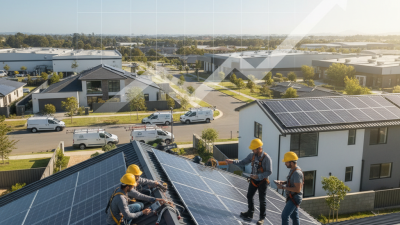
The installation should be done by certified professionals who understand local regulations.
Poor installation can lead to leaks and damage.
For maintenance, regular checks are essential. Clean the panels to remove dirt and debris.
This simple task can increase energy production. Look for any signs of wear or damage.
Prompt repairs save money in the long run.
Tips: Check your inverter’s performance regularly.
These devices convert sunlight into electricity and can signal problems if not functioning well.
Monitoring energy output helps track efficiency. Keep a maintenance log to document any issues or repairs.
This record can be beneficial if future problems arise.