How to Choose the Best Solar Energy Solutions for Your Business?
In today's rapidly evolving business landscape, choosing the right solar energy solutions has become essential. Expert Emily Thompson, a leading consultant in solar energy, emphasizes, "The right solar solution can transform not just energy consumption but also business sustainability." Businesses must assess their energy needs, budget constraints, and long-term goals when selecting a solar energy provider.
With various options available, organizations often feel overwhelmed. Some may focus solely on cost, while others may overlook critical factors like efficiency and reliability. This can lead to suboptimal decisions. Companies that take the time to research their options are often more successful in integrating solar energy into their operations. Additionally, evaluating the reputation of contractors is crucial.
While solar energy presents fantastic opportunities, not every solution fits every business. It’s vital to reflect on specific operational needs and potential challenges. Engaging with experts can provide valuable insights. Ensuring the right fit can prevent future disappointments and enhance overall energy strategies.

Understanding Your Business Energy Needs and Consumption Patterns
Understanding your business's energy needs is crucial when selecting solar energy solutions. Analyze your current energy consumption patterns. Identify peak usage times and assess which appliances and systems consume the most electricity. This detailed evaluation helps in determining the right capacity for your solar installation. Often, businesses overlook seasonal variations in energy use, which can skew their calculations.
Engage with energy audits to gain insights. Tracking the past year’s energy bills is a key step. This data reveals trends and identifies areas for improvement. Some businesses may find unexpected spikes in usage during specific months. Understanding these nuances can help in optimizing solar solutions tailored to unique consumption patterns.
Consider your future energy needs as well. As your business grows, so will your energy demand. It's essential to plan for expansion when choosing your solar system. However, don't rush into decisions without proper research. Consulting with experts can provide clarity on what works best for you. Balancing current needs with future goals can seem overwhelming, but it is essential for sustainable energy management.
Evaluating Different Types of Solar Energy Solutions Available
When evaluating different types of solar energy solutions for your business, it's essential to consider multiple factors.
Solar panels, for instance, vary widely in efficiency and installation requirements. Some panels provide high efficiency in smaller areas,
while others might require more space for significant output. Assessing your location's sunlight exposure can guide you in making an informed choice.
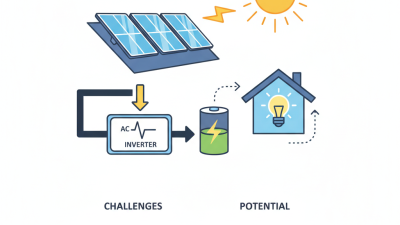
Beyond traditional solar panels, there are also solar inverters and battery storage options. Inverters convert solar energy into usable power,
while batteries store excess energy for cloudy days. Their efficiency varies by brand and model, and this can significantly influence overall effectiveness.
Conducting thorough research and possibly seeking expert advice can help in understanding these systems better.
It’s also crucial to evaluate your energy needs and budget. Not every solution fits all businesses. Some may find a rooftop installation ideal,
while others might benefit more from community solar projects. Local regulations and tax incentives can also affect the decision.
Balancing the upfront investment with long-term savings is an ongoing challenge. Careful consideration is key for success in solar energy adoption.
Assessing Installation Costs and Potential Return on Investment
When choosing solar energy solutions, understanding installation costs is crucial. The initial investment can vary widely based on system size and design. For many businesses, the upfront expenses may seem daunting. However, assessing these costs against long-term savings can reveal a different story.
A well-installed solar panel system could significantly reduce your energy bills. In many cases, businesses see a return on investment within five to seven years. This timeframe can feel long, especially for those unfamiliar with renewable energy. It’s essential to analyze projected savings, taking into account energy inflation rates and maintenance expenses.
Considering the potential for energy independence can be motivating. Higher energy costs and environmental concerns make solar an attractive option. Yet, it is vital to review financing options or incentives available. Local policies often influence the overall investment. Not all installations will yield a high return, so researching thoroughly and reflecting on your business's specific needs is essential.
Researching Local Regulations and Incentives for Solar Energy
When considering solar energy solutions for your business, understanding local regulations and incentives is crucial. Many regions offer specific incentives to encourage solar adoption. According to the Solar Energy Industries Association (SEIA), states like California have significant rebate programs totaling over $1.5 billion. These financial incentives can significantly reduce the upfront costs.
Researching local regulations can help navigate the complexities of installation. Zoning laws or building codes might create barriers or additional expenses. For example, some municipalities require permits that take weeks to obtain. Lack of awareness about these requirements can lead to delays and increased costs.
Moreover, your business may qualify for federal tax credits. The Investment Tax Credit (ITC) allows you to deduct 26% of solar system costs from your federal taxes. However, this credit is set to decrease if not renewed. Staying informed about these changes is vital. Engaging with local industry experts can provide insights into tangible actions you can take to maximize these benefits.
How to Choose the Best Solar Energy Solutions for Your Business? - Researching Local Regulations and Incentives for Solar Energy
| Region |
Local Regulations |
Incentives Available |
Estimated Savings (%) |
Payback Period (Years) |
| California |
Must meet state and local building codes, permits required |
25% tax credit, net metering |
30% |
5 |
| Texas |
Few zoning regulations, no statewide permitting |
Up to $2,500 rebate |
25% |
6 |
| New York |
Requires special permits for installations |
30% tax credit, grants available |
28% |
4.5 |
| Florida |
Building permits required, local codes apply |
Up to $20,000 in rebates |
22% |
5.5 |
| Illinois |
No specific regulations, encourages installations |
Installment contracts, SREC program |
20% |
7 |
Selecting a Reputable Solar Provider and Service Agreement Options
Choosing a reputable solar provider is crucial for businesses looking to harness solar energy.
The International Renewable Energy Agency (IRENA) states that global solar capacity reached
over 800 GW in recent years, emphasizing growing industry trust. A reliable provider should
have a proven track record and positive customer reviews. Investigate their past projects and
the quality of installations. Consider their experience in your specific industry to ensure they
can meet your unique needs.
Service agreements are another essential consideration. Many providers offer different terms,
from lease agreements to power purchase agreements. According to a report by the U.S.
Department of Energy, financial structures can significantly impact your return on investment.
A clear understanding of your chosen provider’s service agreements can aid in budgeting and
future planning. Ask about maintenance and performance guarantees, as these can provide
security in the long run. Ensure that the terms are transparent and understandable, as
complicated agreements can lead to misunderstandings later.
Finding the right solution requires careful thought. Not all providers offer equal levels of
innovation or support. Do your due diligence to assess which providers enable flexibility and
offer future-focused technologies. Solar energy is an investment that demands trust and
clarity; any lapses in these areas can hinder your overall experience and efficiency.