Skip to content

How to Choose the Best Solar Contractors in 2026?

As the solar industry continues to evolve, choosing the right solar contractors in 2026 is critical. According to the Solar Energy Industries Association, the U.S. solar market is projected to expand significantly, expecting an annual growth rate of 20% over the next five years. This surge in demand highlights the need for reliable solar contractors who understand technological advancements and market trends.

Experts like Sarah Johnson, a renowned solar energy analyst, stress the importance of vetting contractors carefully. She states, "The quality of installation can make or break your solar investment." Trust is fundamental. However, not all contractors will deliver excellent service. An increasing number of companies enter the market, but many lack the necessary experience or credentials. It's vital to assess contractors based on their track record, customer feedback, and industry certifications.

Navigating this landscape can feel daunting. Not every contractor excels in customer service or project execution. Potential buyers must prioritize transparency and seek references. An informed decision can lead to long-term satisfaction and energy savings. In a bustling solar marketplace, the right contractor can define the success of your solar journey.

How to Choose the Best Solar Contractors in 2026?

Identifying the Essential Qualifications for Solar Contractors in 2026

When choosing solar contractors in 2026, it's essential to evaluate their qualifications thoroughly. Look for contractors with relevant certifications. Certification from recognized industry bodies indicates credibility. Ensure they have experience with projects similar to yours. Newer contractors might offer lower rates, but they lack the proven track record.

Check their portfolio for completed projects. This showcases their skill level and creativity in handling unique challenges. It’s also important to ask about their warranty and post-installation support. Reliable contractors will provide solid follow-up services.

Investigate customer reviews and testimonials. Positive feedback often reflects a contractor’s professionalism and reliability. However, don’t overlook some negative reviews; they can reveal potential weaknesses. Engage when possible with other customers for firsthand insights. This research will inform your decision and help prevent costly mistakes.
Evaluating Solar Contractor Experience and Customer Reviews

How to Choose the Best Solar Contractors in 2026?

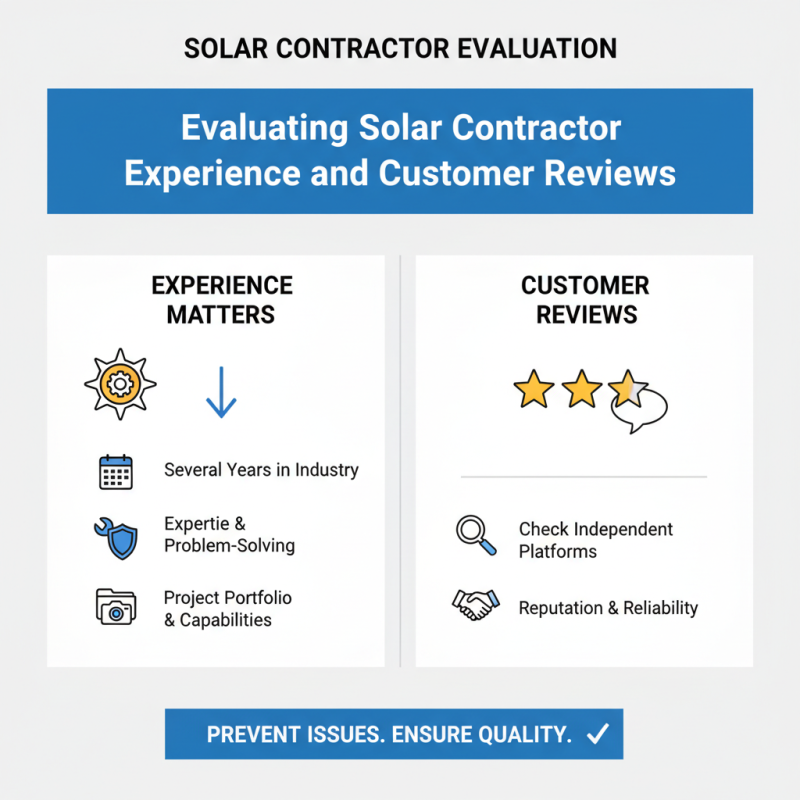
When evaluating solar contractors, experience matters significantly. Look for contractors with several years in the industry. This experience often translates into expertise. They will likely have faced various installation challenges before. Their knowledge can help prevent potential issues. Consider asking for their project portfolio to gauge their capabilities. A well-documented portfolio can reveal a contractor's strengths and areas of improvement.

Customer reviews play a crucial role in your decision-making process. Dive deep into online reviews to gauge satisfaction. Look for patterns in feedback on several platforms. Be cautious of overly positive or generic reviews. Authentic reviews often highlight both strengths and weaknesses. Pay attention to how contractors respond to negative feedback. This reflects their commitment to customer service and problem resolution. Reach out to past clients if possible. Direct feedback can provide valuable insight.

Understanding Licensing and Certification Requirements for Solar Installers

How to Choose the Best Solar Contractors in 2026?

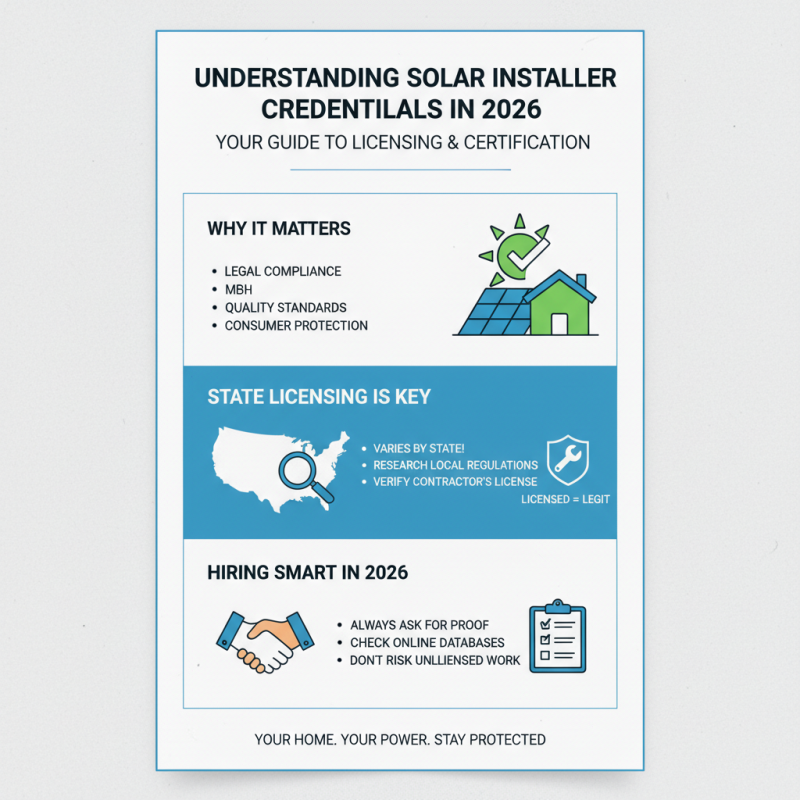
When selecting a solar contractor in 2026, understanding licensing and certification is essential. Each state has its own licensing requirements for solar installers. Research local regulations to ensure compliance. Verify the contractor's licenses before hiring them. A licensed contractor operates legally and follows standards.

Certification from recognized bodies demonstrates expertise. Look for installers with certifications from reputable organizations. These credentials show they have completed training programs. Certified contractors stay updated with industry trends and installation techniques. Their knowledge can significantly impact the efficiency of your solar system.

Not all contractors will meet the highest standards. Some may lack necessary licenses or offer subpar services. It's crucial to investigate their qualifications thoroughly. Don't hesitate to ask for proof of licenses and certifications. This due diligence protects your investment and ensures a successful solar installation.

Analyzing Cost-Effectiveness and Financing Options for Solar Projects

When selecting solar contractors in 2026, understanding cost-effectiveness and financing options is crucial. Different solar projects come with varying costs based on size, technology, and installation complexity. It's essential to analyze the upfront costs versus long-term savings. Many contractors offer financing packages that can lessen initial financial burdens.

Tips: Look closely at financing options. Compare interest rates and terms. Grants or incentives might be available in your area. Do not overlook these. They can significantly affect the total price.

Also, consider the long-term return on investment. Some solar systems pay off sooner than others. Systems with higher efficiencies might cost more upfront but yield greater savings over time. Keep in mind, it's okay to seek clarification on any unclear terms. A transparent contractor will happily provide information.

Communicating openly about project goals is vital. Discuss your energy needs and budget clearly. Not all projects fit every homeowner. Reflecting on what you truly need can lead to better decisions. Remember, it's not just about the lowest price but value for your money.

How to Choose the Best Solar Contractors in 2026? - Analyzing Cost-Effectiveness and Financing Options for Solar Projects

Evaluation Criteria Average Cost ($/kW) ROI over 10 Years (%) Financing Options Customer Satisfaction (out of 5) Typical Project Size (kW)
Standard Installation 2,700 18.5% Cash, Loan, Lease 4.3 5 - 10
Premium Installation (High Efficiency Panels) 3,200 21.2% Cash, Loan, PPA (Power Purchase Agreement) 4.6 8 - 15
Commercial Scale Projects 2,100 16.8% Loan, Lease, PPA 4.0 50 - 250
Community Solar Projects 2,400 19.0% Co-op Financing, Grants, Loan 4.4 20 - 100
Battery Integrated Systems 3,800 14.7% Cash, Loan 4.1 5 - 12

Exploring Industry Standards for Warranty and Maintenance Services

When selecting solar contractors, warranty and maintenance services stand out as critical factors. A strong warranty can signify the contractor's confidence in their work. Typical warranties cover equipment and installation. A contractor should clearly detail what their warranty includes. This transparency helps in assessing their reliability.

Maintenance plans are equally essential. Regular service can prolong the life of your solar system. Evaluate the contractor’s maintenance offerings. Some may include routine inspections, cleaning, and performance monitoring. Ask for specifics on frequency and costs associated with these services.

Many homeowners overlook these elements, focusing mainly on installation costs. This could be a mistake. A well-structured warranty and attentive maintenance can save money and headaches in the long run. Never hesitate to request references or reviews related to warranty claims. The reputation of past clients often reflects future reliability. Opting for installations without considering these aspects can leave you vulnerable to unexpected issues.