How to Choose an Electric Quadricycle in 2026?
Choosing an Electric Quadricycle in 2026 requires more than comparing advertised range and glossy photographs. These compact vehicles can suit short urban trips, assisted commuting, campus travel, or practical local errands. The right model depends on daily distance, charging access, passenger needs, weather, road conditions, and local classification rules. Regulations and licensing requirements vary by region, so verify official guidance before placing an order.
A reliable decision starts with real use. Measure your usual route, including hills, traffic, and winter temperatures. A claimed range may shrink with cold weather, heavy loads, frequent heating, or higher speeds. Check battery warranty, charging time, connector type, and replacement support. Sit inside the cabin. Test visibility, turning space, entry height, seat adjustment, mirrors, lights, and storage. Small details matter. A quiet motor is pleasant, but predictable braking and stable handling matter more.
Look beyond the vehicle itself. Investigate the manufacturer’s service network, parts availability, software support, and crash-safety information. Compare official specifications with independent testing and experienced owner feedback. Ask whether qualified technicians can maintain the model. An attractive price may hide expensive tires, insurance, accessories, or battery work. The first shortlist is often too focused on range. That deserves reconsideration. Ownership quality comes from the complete package, not one impressive number. This guide will compare practical specifications, safety features, comfort, running costs, and after-sales evidence. Its goal is not to name one universal winner. It is to support a careful, evidence-based choice for your roads and routines.
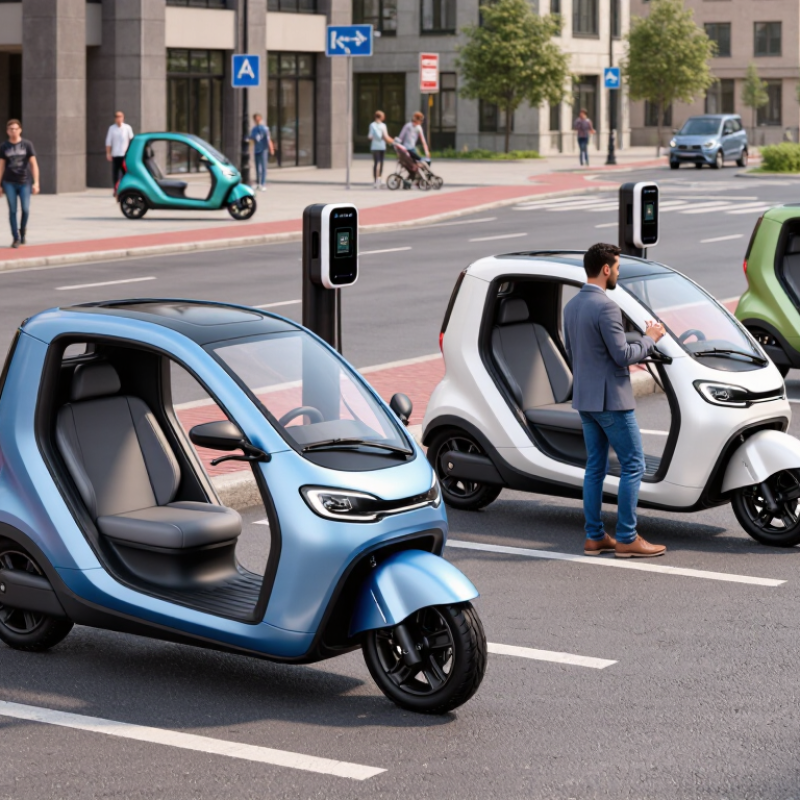
What Is an Electric Quadricycle and Who Is It For?
An electric quadricycle is a small, battery-powered vehicle built between a scooter and a conventional car. In Europe, the regulatory framework separates light L6e and heavier L7e categories, with different performance limits. That distinction matters. The European Commission’s Regulation (EU) No 168/2013 defines these vehicle classes, but local licensing rules can still differ. Check those requirements before comparing specifications.
Who is it for? It suits short urban journeys, narrow streets, and drivers who value easy parking over motorway speed. The International Energy Agency reported more than 17 million electric cars sold globally in 2024. That represented nearly one in five new cars. However, this figure covers cars, not quadricycles. It should not be misused as category-specific sales evidence. It still reflects a wider shift toward electric mobility. A quadricycle may suit someone commuting 15 kilometers daily, especially with home charging.
It is less suitable for long rural trips, heavy cargo, or frequent high-speed travel. Measure the parking space. Then check battery capacity, real-world range, charging time, cabin heating, visibility, and crash protection. Published range figures come from controlled tests. Cold weather, hills, and heating reduce usable distance. The European Environment Agency’s 2024 transport reporting identifies road transport as a major emissions source, yet lower emissions do not remove safety concerns. The honest choice may sometimes be a bicycle, public transit, or a used conventional car. That is easy to overlook.
Which Electric Quadricycle Specifications Matter Most?
Choosing an electric quadricycle in 2026 requires more than checking its advertised range. Start with usable battery capacity, not only the battery’s headline size. A 10 kWh pack may perform differently in cold weather, heavy traffic, or steep streets. During a test drive, note the remaining range after several kilometres. Numbers can be optimistic.
Pay close attention to charging time and connector access. A vehicle that charges overnight may suit home users, while frequent drivers need faster recovery. Motor output affects hill climbing, but excessive power can reduce efficiency. Check the turning circle, exterior width, payload, and storage space. A narrow body is useful in crowded streets, yet limited luggage room may become frustrating. I once prioritised compact dimensions and later regretted the tiny rear compartment.
Tips: Test the quadricycle with an adult passenger, a bag, and ordinary driving shoes. Measure your parking space before purchasing. Inspect the seat position, mirror visibility, brake response, and dashboard readability in daylight. Short trips reveal comfort problems quickly.
Safety equipment deserves careful attention. Examine the restraint system, lighting, windscreen strength, tyre condition, and electronic stability features. Ask for documented testing results and clear maintenance intervals. Heating and ventilation also matter, especially during winter commutes. Service availability can be more important than a small price difference. Some specifications look impressive on paper but feel less useful in daily driving, so leave room for personal testing and honest reconsideration.
How to Evaluate Costs, Regulations, and Long-Term Ownership
How to Choose an Electric Quadricycle in 2026?
The purchase price is only the opening figure. Calculate charging, insurance, registration, servicing, and depreciation over five years. A simple spreadsheet helps. Include electricity rates from your actual home tariff, not a promotional estimate. If public charging is necessary, record the extra time and fees. A small battery may reduce the price, but frequent charging can become inconvenient. A larger battery costs more and adds weight. That trade-off deserves careful thought.
Regulations vary by country, region, vehicle class, and road type. Check the official transport authority before paying a deposit. Confirm the required driving licence, minimum age, registration process, speed limits, helmet rules, and insurance coverage. Ask whether the vehicle can use major roads. Requirements may change during 2026. A dealer’s verbal assurance is not enough; keep written confirmation from the relevant authority.
Long-term ownership depends on practical details. Inspect battery warranty terms, replacement pricing, charging-cable durability, and local repair access. Ask how software updates are delivered and whether maintenance records remain available. Test the vehicle on a steep street, over rough paving, and during a cold morning. Range figures can look impressive in mild weather. Real use may be less generous. My own cost forecast would leave a 15% buffer, because unexpected repairs and electricity increases are easy to overlook. The cheapest option may not remain cheapest.
How to Choose an Electric Quadricycle in 2026?
Estimated annual ownership cost for a private user driving 10,000 km per year. The scenario assumes electricity consumption of 15 kWh/100 km and an electricity price of €0.30/kWh.
Energy cost is calculated from distance, consumption, and electricity price. Insurance, maintenance, registration, and depreciation vary by country, driver profile, vehicle condition, and purchase price, so they should be replaced with local quotations before making a decision. In the European Union, light quadricycles generally fall under the L6e category, limited to 45 km/h, while heavier or more powerful models may fall under L7e rules, with national registration, driving-licence, safety, and road-use requirements applying.
Planning scenario in euros per year; figures are intended for comparison and budgeting rather than a supplier quotation.