How to Choose the Best Solar Energy Providers for Your Home?
Choosing the right solar energy providers for your home can be daunting. With an array of options available, it’s vital to make an informed decision. John Smith, a renowned solar industry expert, once said, "Choosing a solar provider is as crucial as choosing the solar panels themselves."
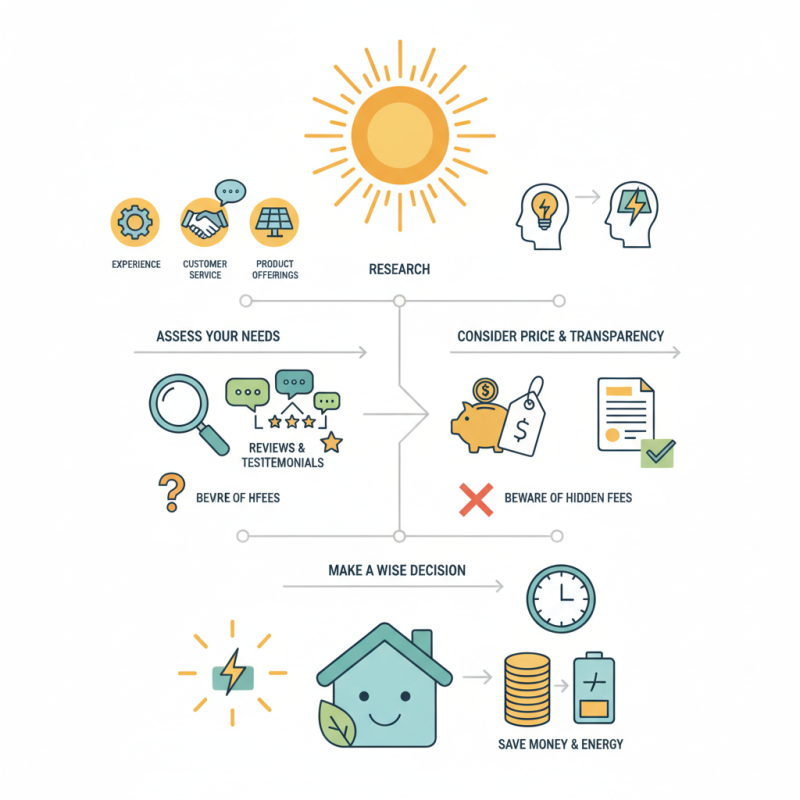
When selecting solar energy providers, consider your specific needs. Assess the provider's experience, customer service, and product offerings. Many companies claim they offer the best technology, but not all fulfill those promises. Research reviews and testimonials to understand the real customer experiences.
Price is another significant factor. Beware of providers that quote low initial prices but have hidden fees. Transparency is key. Ensure you understand the contract fully. The solar market is competitive, and finding the best provider may take time. Trust your instincts and do not rush the decision. The right solar energy provider will ultimately save you money and energy in the long run.
Understanding Your Energy Needs: Assessing Solar Potential for Your Home
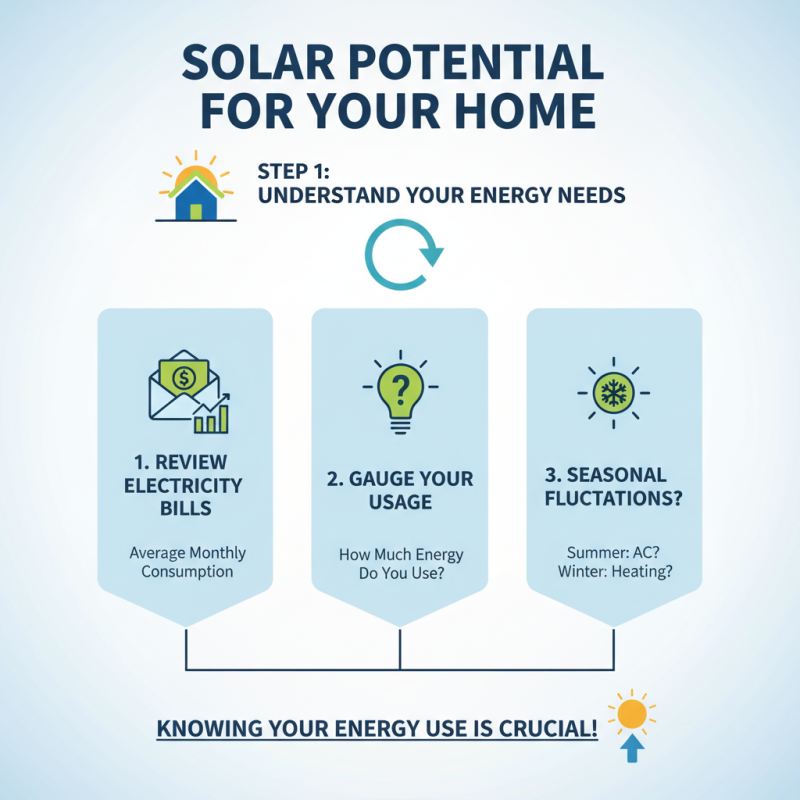
Assessing the solar potential for your home begins with understanding your energy needs. Start by reviewing your electricity bills. This will help you gauge your average monthly consumption. Knowing how much energy you use is crucial. Do you consume more in summer due to air conditioning? Or during winter for heating?
Next, consider the roof space available for solar panels. Is it shaded by trees or other structures? The angle and direction of your roof can also impact solar efficiency. A south-facing roof generally receives more sunlight. However, assessing potential shading throughout the day can be complex. You might need to consult a solar expert for precise analysis.
Lastly, think about your future energy plans. Are you planning to buy an electric vehicle or expand your home? These factors can change your energy requirements significantly. It’s essential to not only focus on current needs but also anticipate future changes. This holistic approach helps in selecting the best solar provider for your long-term goals.
Evaluating Solar Energy Provider Credentials and Certifications
When selecting a solar energy provider, assessing their credentials is crucial. Start by checking their licenses. A legitimate provider should possess state and local licenses to operate. Certifications from recognized industry organizations are important too. Look for certifications like NABCEP, which indicate a commitment to quality.
Next, examine their experience and track record. A provider with several years in business is usually more reliable. Ask for customer references and case studies. This will give you insight into their project success. Do they have a history of satisfied clients? This is worth reflecting on.
Lastly, consider ongoing training. Solar technology evolves rapidly. Providers must stay current with the latest advancements. Inquire about their staff’s training programs. New certifications can indicate a proactive approach to quality. Remember, don't only focus on the price. Quality service often requires a deeper investment. Choosing the right provider involves careful evaluation; don’t rush into your decision.
How to Choose the Best Solar Energy Providers for Your Home?
| Criteria |
Description |
Importance |
| Experience |
Years the provider has been in the solar energy industry. |
High |
| Certifications |
Industry certifications such as NABCEP or equivalent. |
High |
| Customer Reviews |
Feedback from previous clients regarding service quality. |
Medium |
| Warranty Options |
Length and coverage of warranties for equipment. |
High |
| Financial Options |
Availability of financing, leasing, or purchasing options. |
Medium |
| Installation Services |
Quality and support of installation services offered. |
High |
| Customer Support |
Availability and responsiveness of customer service. |
High |
| Technological Offerings |
Types of solar technologies and products offered. |
Medium |
| Authorization and Licensing |
Business licenses and permits to operate in your area. |
High |
Comparing Pricing Models: Upfront Costs vs. Long-term Savings in Solar
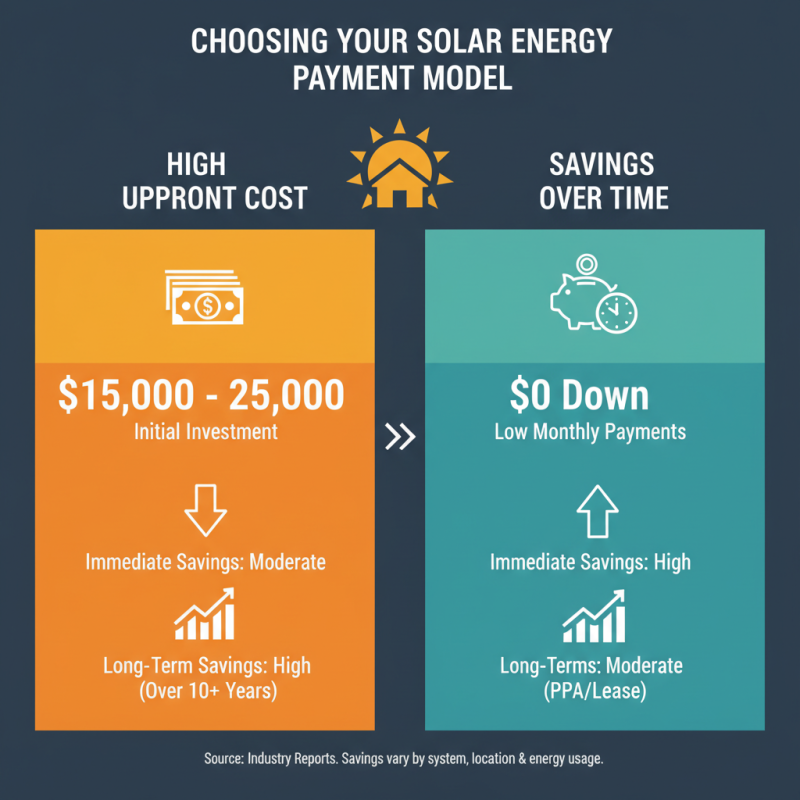
When choosing a solar energy provider, understanding pricing models is crucial. Many homeowners face the choice between high upfront costs or savings spread over time. Industry reports indicate that upfront payments can range from $15,000 to $25,000 for residential solar panels, depending on the system size and location. While this initial investment is significant, long-term savings can be impressive.
Over 20 years, homeowners can save between $10,000 to $30,000 on energy bills. These savings vary based on local electricity rates and solar incentives available. With an average ROI of around 10-15%, many find that the long-term financial benefits outweigh booking the big upfront cost.
Tip: Analyze your energy usage. Knowing how much power you consume can guide your system size and cost-effectiveness.
Another pricing model involves no upfront payment but comes with higher interest rates. While this seems accessible, total costs can escalate. Homeowners might pay $30,000 over 20 years, despite a seemingly low monthly payment plan.
Tip: Read the fine print. Understand all terms and conditions before signing up. Hidden fees can make monthly payments misleading.
Exploring Incentives: Federal and State Policies for Solar Energy Adoption
When considering solar energy for your home, understanding available incentives is crucial. Federal and state policies play significant roles in promoting solar energy adoption. Many states offer tax credits, rebates, or financing options. These incentives can reduce the overall cost of installing solar panels. For example, the federal solar tax credit allows homeowners to deduct a percentage of installation costs from their federal taxes.
Tips: Research state-specific incentives. Visit government websites for updates. Some incentives might expire soon. Engage with local solar organizations for guidance.
Solar incentives can vary greatly by location. Some states may have aggressive policies while others lag behind. Without proper research, you might miss out on potential savings. Always check for changes in legislation that may affect your decision. Pay attention to deadlines for incentives to ensure you maximize your savings.
Tip: Keep track of application deadlines. Gather necessary documents early. This can save you time and trouble later. Remember, incentives can make a significant difference in the affordability of solar energy solutions. Don't overlook any details; they matter.
Analyzing Customer Reviews and Ratings to Assess Provider Reliability
When choosing a solar energy provider, customer reviews and ratings are invaluable. According to a recent industry report, over 80% of consumers rely on online reviews before making a decision. These reviews can provide insights into a company's reliability, customer service, and installation quality.
Look for detailed reviews that mention specific experiences. Positive feedback may highlight timely installations and quality equipment. Conversely, negative reviews can reveal common issues, such as delays or unresponsive customer service. A provider with consistent ratings around four stars or higher is typically a safer choice. Less than 20% of customers report overall satisfaction with poorly rated companies.
Additionally, consider the volume of reviews. A provider with hundreds of reviews likely has a dependable track record. However, a company with only a handful might still be an unknown variable. Transparency in feedback is crucial. Companies should address negative reviews professionally, indicating a commitment to improvement. Reflect on these factors as you navigate your choice in solar energy providers.
Customer Ratings of Solar Energy Providers