China Top Solar Power Systems with Battery Storage?
China’s solar market is moving from panel production toward complete energy systems. The question is no longer only about module efficiency. It is about dependable power after sunset.
IRENA’s Renewable Capacity Statistics 2024 reported 473 gigawatts of new renewable capacity worldwide in 2023. Solar contributed about 346 gigawatts. China installed more than 200 gigawatts of new solar capacity that year, according to China’s National Energy Administration. These figures explain why buyers are examining solar power systems with battery storage, rather than standalone panels. A battery can capture midday electricity, support evening demand, and reduce exposure to grid interruptions. Still, performance depends on climate, tariffs, installation quality, and daily load patterns.
The International Energy Agency’s Batteries and Secure Energy Transitions report identifies batteries as essential for integrating more renewable electricity. IEA Executive Director Fatih Birol has said, “Battery storage is the key to unlocking the full potential of renewables.” That statement is persuasive, but it should not end the analysis. Battery degradation, thermal management, warranty terms, and recycling remain practical concerns. They can quietly change the return on investment.
This guide examines China’s leading solar power systems with battery storage through measurable criteria. These include usable capacity, round-trip efficiency, inverter design, safety certifications, monitoring tools, and after-sales support. Price matters. So does what happens at 9 p.m. during a cloudy week. No single system fits every home, factory, or remote site. The best choice may be less obvious—and that is worth questioning.
China’s 2024 Baseline: 887 GW Solar and 73.8 GW New Storage
China Top Solar Power Systems with Battery Storage?
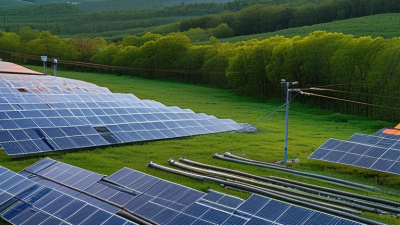
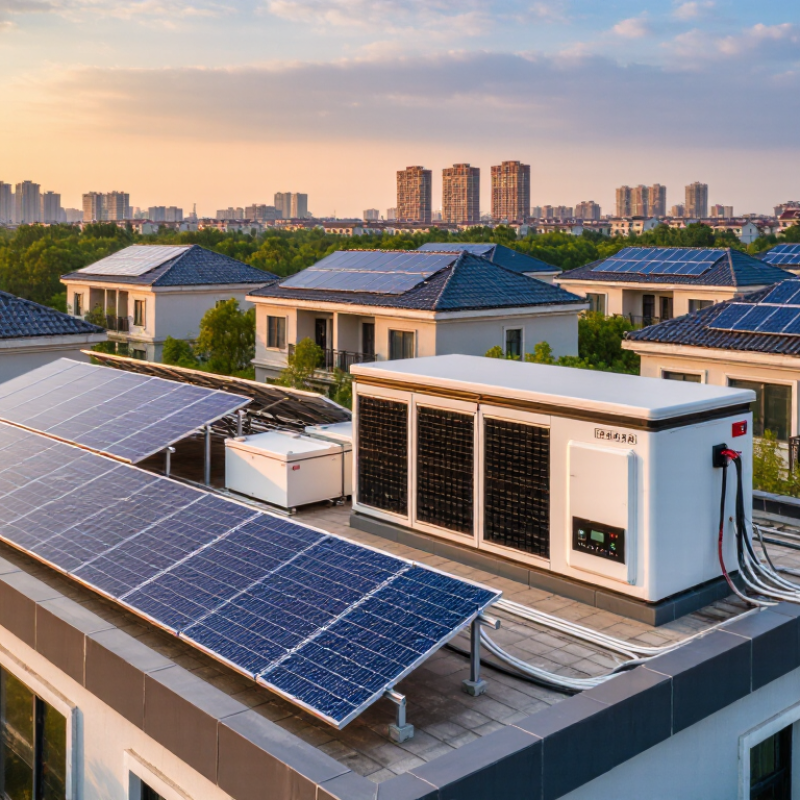
China’s 2024 baseline shows 887 GW of installed solar capacity. It also added 73.8 GW of new energy storage. These figures reveal a major shift from simple generation toward flexible electricity systems. Solar panels produce heavily around midday. Batteries can move that electricity into evening demand, when homes, factories, and transport systems need more power.
A practical solar-plus-storage system needs more than a large battery cabinet. Engineers must check local sunlight, rooftop strength, grid conditions, and daily load patterns. A coastal site may require stronger corrosion protection. A remote facility may need longer backup duration. Battery management systems should monitor temperature, voltage, and charging cycles continuously. Small details matter.
The numbers are impressive, but they need careful interpretation. New storage capacity does not always mean equal usable energy. A 10 GW system lasting one hour differs greatly from a 10 GW system lasting four hours. Costs, replacement schedules, fire protection, and recycling also affect long-term value. I would not select equipment from capacity figures alone. Field performance can differ from a planning document. Weather surprises us. Demand changes too. A reliable design leaves room for those imperfections and measures results after installation.
How Solar-Battery Systems Work: PV Arrays, Inverters, Batteries, and EMS
Solar Power Systems with Battery Storage: How They Work
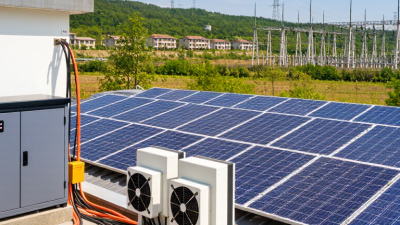
A solar-battery system begins with photovoltaic arrays mounted on a roof or ground frame. Each panel converts sunlight into direct current electricity. In field inspections, cable shading and loose connectors often reduce output more than expected. The array sends power to an inverter, which changes direct current into alternating current for household appliances. Modern hybrid inverters can also direct surplus electricity toward battery charging.
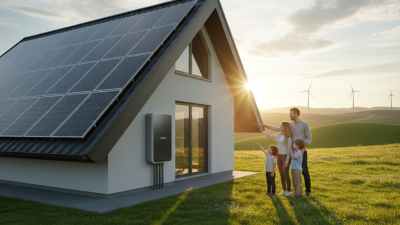
The battery stores energy through controlled chemical reactions inside its cells. During bright afternoon hours, the system may charge the battery after meeting household demand. After sunset, stored electricity flows through the inverter and powers lights, refrigerators, or communication equipment. Battery capacity matters, but usable capacity, temperature, charging limits, and backup load matter more. A larger battery is not always the better choice.
An energy management system coordinates these movements. It monitors solar production, battery voltage, weather data, electricity prices, and household consumption. Users can set reserve levels, such as keeping 30% for outages. That setting protects availability but reduces daily savings. Installers should review hourly load data instead of relying on monthly bills. A quiet inverter may still operate inefficiently if ventilation is poor. I have seen systems perform below forecasts because morning shadows were overlooked. Design assumptions need regular review.
Comparing China’s Top System Types by Efficiency, Cycle Life, and LCOE
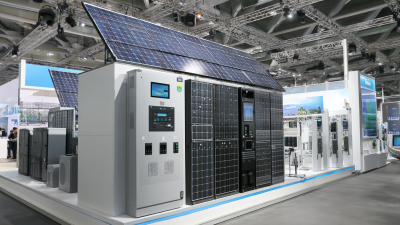
China’s leading solar-plus-storage designs usually fall into three groups: AC-coupled, DC-coupled, and integrated hybrid systems. AC-coupled systems are easier to add to existing solar plants. Their round-trip efficiency often reaches 85–92%, depending on inverter loading and cable distance. DC-coupled systems avoid repeated power conversion. They can deliver about 90–96% round-trip efficiency under favorable operating conditions. Integrated hybrid systems use fewer separate components, which may reduce installation labor and conversion losses.
For cycle life, lithium iron phosphate batteries are widely selected for Chinese utility and commercial projects. Many systems are specified for 6,000–10,000 cycles at controlled temperature and moderate depth of discharge. Real results can be lower. High heat, frequent full discharge, and poor balancing accelerate capacity loss. Liquid cooling helps maintain stable temperatures, but it adds pumps, controls, and maintenance requirements. The comparison is not perfectly clean.
Levelized cost of electricity depends on more than battery price. A DC-coupled plant may achieve a lower LCOE when solar curtailment is high, because it can store otherwise wasted generation. AC-coupled storage may be more practical when an operating plant already has grid equipment. Integrated systems can reduce construction time, yet replacement planning may become less flexible. In project reviews, I would examine round-trip efficiency, usable capacity, degradation guarantees, fire protection, and local electricity tariffs together. A low quoted LCOE can look attractive. It may hide augmentation costs after the eighth year.
LFP Battery Safety: The Preferred Chemistry for China’s Energy Storage
China’s Top Solar Power Systems with Battery Storage
LFP Battery Safety: The Preferred Chemistry for China’s Energy Storage
China’s solar-storage market increasingly favors lithium iron phosphate, or LFP, batteries. The chemistry uses no nickel or cobalt and offers strong thermal stability. The International Energy Agency reported in 2024 that LFP batteries represented nearly half of the global electric vehicle battery market in 2023. Stationary storage is also adopting this chemistry rapidly. China Energy Storage Alliance data shows LFP dominates newly installed electrochemical storage projects in China.
Safety still depends on system design, not chemistry alone. LFP cells can experience thermal runaway under severe abuse, poor manufacturing, or failed controls. A reliable system needs cell-level monitoring, temperature sensors, current protection, and a responsive battery management system. Fire separation, ventilation, and emergency procedures also matter. IEC 62619 and UL 9540A testing can provide useful evidence about industrial battery safety. However, test results do not guarantee identical performance at every site. Installation quality remains an uncomfortable weakness.
Tips: Keep batteries away from heat sources and flooding. Request independent test documents before purchase. Check temperature alarms monthly. Leave clear access around enclosures. Do not ignore small warning signs, such as unusual swelling, odor, or repeated fault codes. The best China solar system combines LFP batteries with disciplined commissioning, documented maintenance, and trained technicians.
Sizing a System: Match Battery Capacity to Load, Peak Demand, and 4-Hour Design
Sizing a solar system with battery storage starts with the load, not the panel count. Record daily energy use, evening demand, and the highest 15-minute peak. A home using 18 kWh daily may still need a 7 kW inverter if several appliances start together. The battery should cover useful energy, not simply its advertised capacity. The International Energy Agency reported that global battery storage additions nearly tripled in 2023. It also noted major cost declines since 2010, but site design still decides value.
A four-hour design means rated power multiplied by four hours. For a 500 kW system, this equals 2 MWh before operating losses. If the required delivered energy is 1.2 MWh, a simple calculation may understate capacity. With 90% usable depth, 90% round-trip efficiency, and 80% end-of-life capacity, the battery needs about 1.85 MWh. NREL’s Annual Technology Baseline commonly models four-hour utility-scale batteries, yet real projects may need two, six, or eight hours. Peak duration matters. Solar production timing matters too. I would not trust a spreadsheet alone; cloudy winter days expose weak assumptions.
Tips: Measure loads in 15-minute intervals for several weeks. Separate critical circuits from flexible loads. Check the battery’s usable capacity, warranty limits, temperature range, and degradation curve. Leave room for demand growth. A perfect-looking design can still feel frustrating when evening cooking overlaps with electric heating. Review the sizing after one season of real operation.