China Top Solar Maintenance Services for Global Buyers?
China Top Solar Maintenance Services for Global Buyers? This question deserves more than a supplier list. Global buyers need dependable solar maintenance that protects energy output, equipment life, and investment value. China’s solar service providers support utility-scale plants, commercial rooftops, and distributed systems across varied climates. Their experience often includes coastal humidity, desert dust, heavy snow, and high-temperature environments.
A professional maintenance program begins with clear site records and measurable inspections. Technicians may use thermal cameras to identify overheated connections and IV curve testing to assess module performance. They also inspect inverters, mounting structures, cables, drainage paths, and grounding systems. Cleaning schedules should match local dust levels, rainfall, water quality, and module design. Spare-parts planning matters too. A delayed inverter fan or connector can reduce production for several days.
Reliable providers share inspection photos, test results, work orders, and corrective-action reports. Buyers should confirm technician qualifications, response times, warranty boundaries, safety procedures, and communication methods before signing. Independent performance data can reveal whether promised improvements are realistic. Not every supplier offers the same depth of service. That matters.
A strong partnership also respects local operating conditions and applicable safety requirements. Remote monitoring may detect abnormal output, but it cannot replace physical inspection. Some failures remain invisible until a technician opens a cabinet or checks a loose terminal. No service is flawless. Even experienced teams can misjudge cleaning frequency or replacement timing. Continuous review helps correct those assumptions. This guide examines leading Chinese solar maintenance capabilities, practical evaluation criteria, and the questions global buyers should ask before choosing a long-term service partner.
What Solar Maintenance Services Include for Global Buyers
For global solar buyers, maintenance services mean more than panel cleaning.
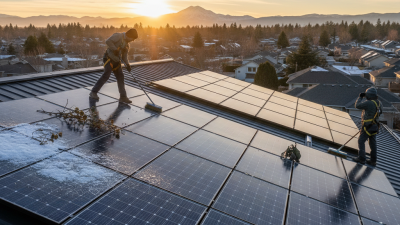
A capable provider inspects modules, mounting structures, cables, inverters, combiner boxes, and grounding points. Technicians check cracks, hot spots, loose terminals, corrosion, and shading changes. Drone surveys and thermal cameras can reveal faults that routine visual checks miss. However, tools do not replace field judgment. Dust may look harmless, yet it can reduce output after several dry weeks.
A practical service plan combines scheduled visits with remote performance monitoring.
Engineers compare actual production with weather data and the system’s design expectations. Alerts can identify inverter trips, abnormal string voltage, or gradual power loss. On-site teams then test components, clean suitable surfaces, tighten connections, and replace approved parts. Each visit should produce dated photographs, measured values, fault descriptions, and repair recommendations. Clear reports help overseas buyers evaluate work without standing beside the array.
International contracts should define response times, safety procedures, spare-part availability, and communication channels.
Service teams must follow local electrical rules and site-access requirements. They should explain which tasks owners can safely perform and which require qualified technicians. Weather matters; high heat, salt air, snow, and strong wind change maintenance intervals. No plan is perfect. A missed inspection can expose weak assumptions, especially when the site is remote. Reliable providers review failures honestly, adjust schedules, and keep records that support warranty discussions and long-term asset decisions.
Why Choose Chinese Solar Maintenance Providers
Why Choose Chinese Solar Maintenance Providers
Chinese solar maintenance providers can offer practical value to global buyers. Their experience often comes from supporting large photovoltaic projects across different climates. Technicians may handle dusty deserts, humid coastlines, and freezing inland sites. This varied exposure improves fault diagnosis in real conditions. Services commonly include module inspections, inverter checks, thermal scanning, cleaning plans, and performance analysis. Detailed maintenance records also help owners track recurring faults and production losses.
Tips: Ask for sample service reports, technician qualifications, response times, and spare-parts procedures. Confirm whether support is available in your time zone. Request clear pricing before work begins.
Cost matters, but it should not be the only measure. Reliable providers explain findings with photos, test readings, and repair priorities. They should also protect operating data and follow site safety requirements. Remote monitoring can identify unusual voltage, temperature, or output changes before a small issue becomes expensive. Still, no provider is perfect. Communication can be slower across languages, and replacement parts may face shipping delays. Buyers should test these processes through a limited service project first. A strong maintenance partner accepts questions, documents uncertainty, and adjusts the plan after reviewing actual site conditions. That honesty is useful.
How China’s Solar Maintenance Process Works
China’s solar maintenance process usually begins with data, not a truck. Remote platforms track power output, inverter alarms, weather, and communication gaps.
According to IEA PVPS Trends 2024, global photovoltaic capacity reached about 1,600 GW in 2023. China added roughly 217 GW that year. Scale makes disciplined maintenance essential.
Technicians compare daily production with weather-adjusted expectations. A sudden 8% drop may indicate shading, soiling, cable damage, or inverter faults.
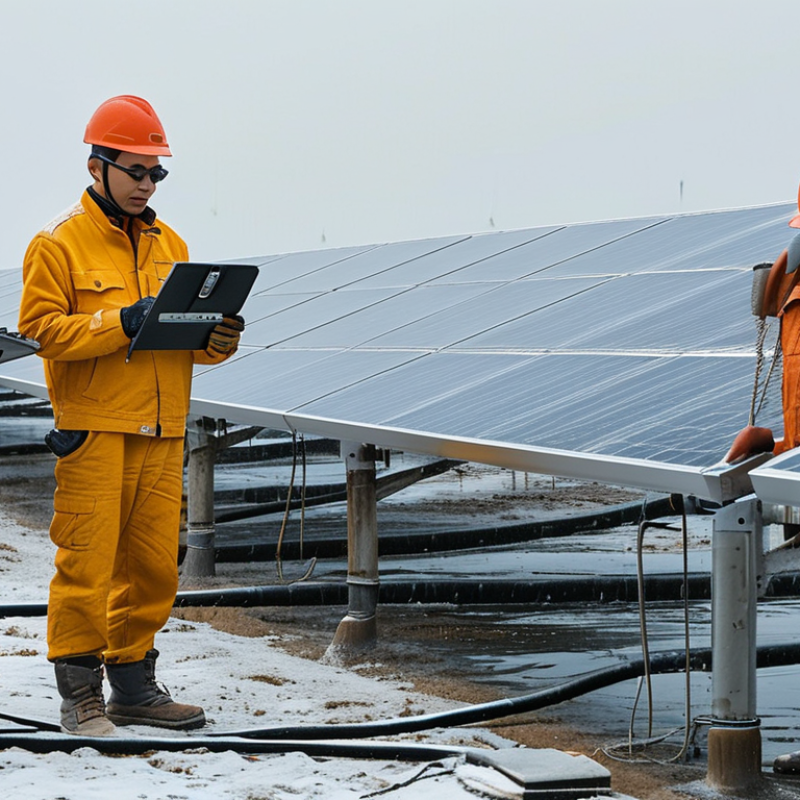
Field teams then inspect modules, connectors, combiner boxes, and drainage paths. Thermal cameras can reveal hot spots. IV-curve testing helps identify hidden degradation.
The NREL Best Practices guide recommends documented inspections, calibrated instruments, and clear corrective records.
Cleaning schedules depend on dust, rainfall, tilt, and local pollution. Water quality matters. Hard water can leave mineral marks on glass. Spare parts are matched to equipment specifications before dispatch. Safety permits and electrical isolation are checked at the site.
Not glamorous work.
China-based service teams often combine remote diagnosis with regional technicians and warehouse support. Response targets may range from same-day screening to several-day repairs, depending on distance and fault severity.
IRENA’s Renewable Power Generation Costs in 2023 reported that utility-scale solar costs continued to fall, increasing pressure to protect asset availability.
Still, the process is not flawless. A dusty module can pass a remote check. Human inspection remains necessary.
Every repaired fault should feed back into the maintenance plan, even when the original diagnosis was wrong.
Key Standards and Quality Factors for International Projects
China Top Solar Maintenance Services for Global Buyers?
International solar projects need maintenance standards that travel across borders. A qualified service team should understand IEC 62446 testing and local electrical requirements. It should also follow controlled procedures for isolation, inspection, and repair. Safety records matter as much as technical skill. Ask for technician training, work permits, and incident reporting methods.
Quality begins with measurable field evidence. Technicians should inspect modules, cables, connectors, inverters, and mounting hardware. Thermal imaging can reveal overheated connections before visible damage appears. IV-curve testing helps identify underperforming strings. Torque checks are essential on exposed fastening points. Every finding needs a timestamp, photograph, location, and corrective action.
Small details often decide long-term performance. A reliable provider should offer clear response times, spare-parts planning, and bilingual reports. Remote monitoring must connect with on-site verification. Weather data can explain sudden output changes, but it should not replace physical inspection. Documentation is often the weak point. One missing serial number can delay a warranty decision. No checklist catches everything. International buyers should review sample reports and question unclear assumptions. Local training also deserves attention, especially when unfamiliar equipment or harsh coastal conditions are involved. Service plans should be tested against real faults, not only written promises.
China Top Solar Maintenance Services for Global Buyers: Key Quality Benchmarks
Common performance targets used in international solar O&M contracts. IEC 62446-1 supports system documentation and verification, while IEC 61724-1 supports performance monitoring. Targets vary by project contract, climate, technology and grid conditions.
Benchmark targets: technical availability ≥98%, preventive-maintenance completion ≥95%, SLA response within target ≥90%, and safety-training completion 100%.
How to Select a Reliable Chinese Solar Maintenance Partner
China Top Solar Maintenance Services for Global Buyers?
How to Select a Reliable Chinese Solar Maintenance Partner
Selecting a Chinese solar maintenance partner requires more than comparing hourly rates. Look for technicians with documented photovoltaic experience and relevant electrical safety training. Ask how they inspect inverters, cables, trackers, batteries, and drainage systems. A reliable provider should share sample service reports, response times, and escalation procedures. Useful evidence includes verified project references and measurable uptime records.
Clarify whether support is remote, on-site, or both. Time-zone coverage matters during inverter faults and severe weather. Ask about spare-parts sourcing, warranty coordination, and storage conditions. Experienced teams usually maintain inspection checklists, thermal imaging records, and photographed repair evidence. Check their communication process before signing. Delays become expensive.
A strong agreement should define preventive maintenance intervals, emergency response targets, safety responsibilities, and reporting standards. Include clear rules for access, travel costs, replacement parts, and performance reviews. Keep records of every intervention. One warning: polished proposals can hide weak field capability. Some providers may promise twenty-four-hour support without enough local technicians. I would test the relationship with a limited service period first. It may seem cautious, but it reveals response quality, reporting discipline, and technical judgment. No partner performs perfectly. Your evaluation should also examine how openly they discuss mistakes, exclusions, and unresolved risks.