2026 Best Solar Maintenance Tips for Homeowners What to Know?
Maintaining a solar system is crucial for homeowners seeking optimal efficiency and longevity. Expert Alex Thompson, a solar maintenance specialist, emphasizes, “Regular upkeep can significantly enhance solar panel performance.” Understanding the best practices for solar maintenance is essential for making the most of your investment.
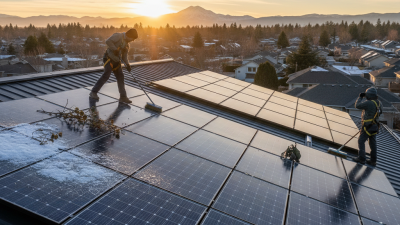
Homeowners need to be proactive. Solar panels can accumulate dirt, debris, and even bird droppings. These can block sunlight and reduce energy output. Cleaning them regularly is vital. However, not everyone knows how to do this safely. It’s easy to overlook the small details that can lead to bigger problems later.
Another aspect to consider is the inverter’s health. It’s not uncommon for homeowners to ignore this crucial component. A faulty inverter can hinder performance significantly. Regular inspections can prevent inefficiencies and save money in the long run. Solar maintenance may seem daunting, but taking simple steps can lead to remarkable benefits.
Essential Solar Panel Maintenance Tasks for Homeowners
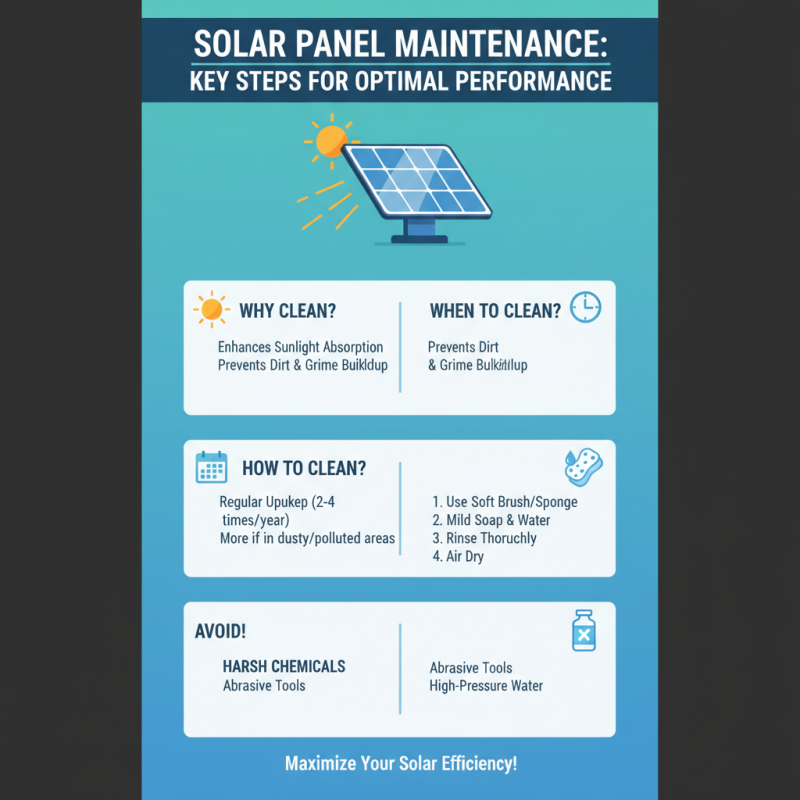
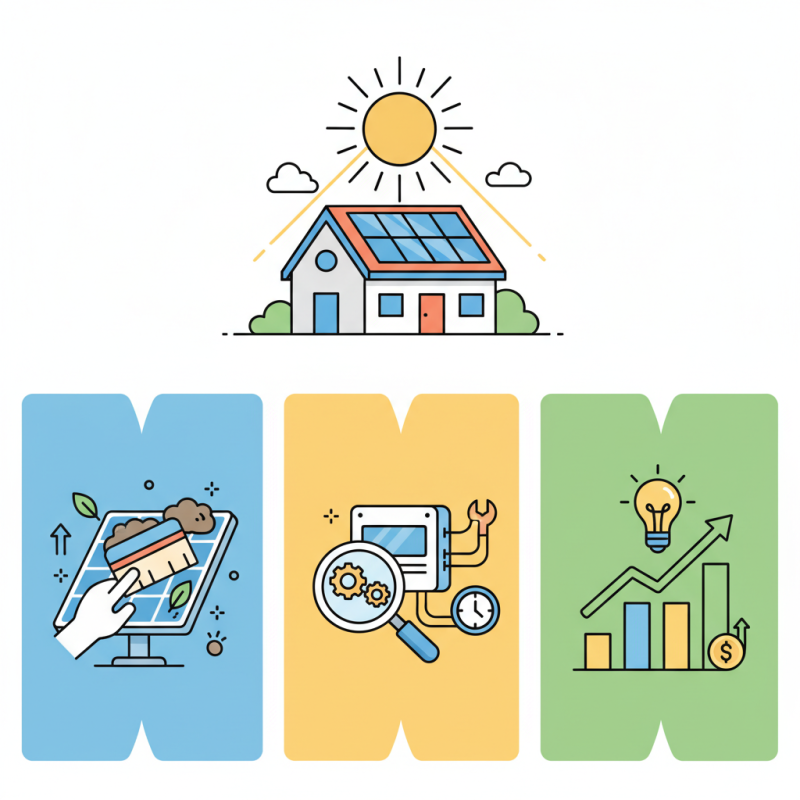
Maintaining solar panels is crucial for optimal performance. Regular upkeep can prevent dirt and grime buildup. Clean panels enhance sunlight absorption. Use a soft brush or sponge with mild soap. Avoid harsh chemicals; they can damage the surface. Rinse thoroughly with water.
Check for any obstructions. Look for overhanging branches or debris. These can block sunlight, reducing efficiency. Ensure nothing shades your panels. Regular inspections can help spot issues early. Signs of damage might not be obvious. Look for cracks or loose connections. An early catch can save time and money.
Also, monitor your energy output. If you notice a drop, investigate further. This could indicate a maintenance need. Document any changes in performance. Keeping records helps track patterns over time. Be proactive; your system's longevity depends on it.
Understanding the Best Schedule for Solar System Inspections
Regular inspections are essential for maintaining an efficient solar system. Homeowners should create a schedule to assess their solar panels. Inspections should ideally occur twice a year, preferably in spring and fall. This timing ensures any winter or summer weather damage is addressed promptly.
During an inspection, check for dirt, debris, or shading on the panels. Clean solar panels are critical for optimal energy absorption. It’s also wise to examine wiring and connections. Look for signs of wear or corrosion. Neglecting these details can lead to bigger issues down the line.
Homeowners should take note of their system's performance. If energy production dips unexpectedly, it might require further investigation. Small irregularities can often lead to larger malfunctions. Remember, a proactive approach can save both money and time in the long run. Regular checks lead to peace of mind and better efficiency.
Common Issues to Watch for in Solar Systems and Solutions
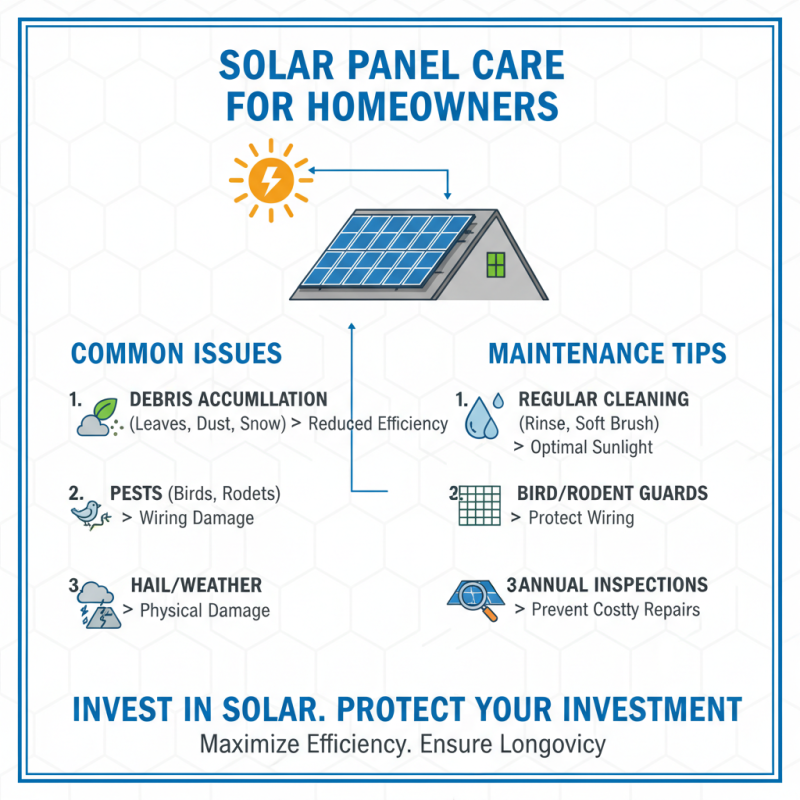
Solar systems are an excellent investment for homeowners. However, they can face several common issues that require attention. One significant concern is debris accumulation. Leaves, dust, and snow can block sunlight, reducing efficiency. Regularly inspect and clean your panels. A simple rinse can make a difference.
Another issue is inverter malfunctions. Inverters convert solar energy into usable power. Look for warning lights or error messages. Address these promptly. Ignoring them can result in loss of energy production.
Lastly, monitor your energy bills. Sudden spikes may indicate system inefficiencies. If your system isn’t performing well, it might be time to consult a professional. Tracking these small details can help maintain your system effectively.
Tips for Cleaning Solar Panels Safely and Effectively
Cleaning solar panels is essential for efficiency. Dust and debris can block sunlight. Regular cleaning can improve performance. Start by inspecting your panels. Look for dirt or grime. Assess if a cleaning is necessary based on the conditions.
Use soft materials. A sponge or microfiber cloth works well. Avoid rough scrubbing tools. Water is often enough for light cleaning. For tougher stains, a gentle soap solution may help. Rinse thoroughly after cleaning. Leaving soap can attract more dirt.
Consider safety measures. Use a sturdy ladder if needed. Ensure the weather is safe for cleaning. Remember, it's okay to ask for help. Sometimes a professional service is the best option. Reflect on your cleaning routine. Are you doing enough? Regular maintenance can extend the life of your panels.
2026 Best Solar Maintenance Tips for Homeowners What to Know?
| Tip |
Description |
Frequency |
Best Time |
| Visual Inspection |
Check for physical damage or debris on the panels. |
Monthly |
Sunny Days |
| Cleaning Panels |
Use a soft brush or sponge with mild detergent solution. |
Every 6 Months |
Early Morning or Late Evening |
| Monitor Energy Production |
Keep track of energy output to identify drops in performance. |
Monthly |
Anytime |
| Check Wiring and Connections |
Inspect wires for wear and ensure connections are tight. |
Annually |
When Accessible |
| Trim Overhanging Branches |
Ensure no foliage blocks sunlight from reaching panels. |
As Needed |
Spring |
Best Practices for Maintaining Battery Storage Systems in Solar Energy
Maintaining battery storage systems is crucial for maximizing solar energy efficiency. Regular check-ups can prevent issues and extend battery life. Research indicates that regular maintenance can enhance system efficiency by up to 20%. Homeowners should establish a biannual inspection schedule.
Pay attention to the battery's temperature. Extreme heat or cold can reduce performance. Ideally, batteries operate at 20-25 degrees Celsius. Installing insulation can help stabilize temperature, but it requires thoughtful placement. Ensure there is enough ventilation to avoid overheating.
Battery terminals should be cleaned regularly to prevent corrosion. Corroded terminals can reduce performance by as much as 5-15%. Monitor charge levels frequently to avoid deep discharges. Batteries perform best within a specified range, generally between 20-80% capacity. Neglecting this can shorten battery lifespan and reduce efficiency.