2026 Best Solar Energy Innovations to Watch Out For?
As we approach 2026, the solar energy sector is brimming with potential innovations. Industry expert Dr. Anita Gupta states, "The future of solar energy lies in transformative technologies." This insight underscores the excitement surrounding emerging solutions. With the pressing need for sustainable energy, innovation in solar energy is crucial.
Recent developments showcase remarkable advancements. From more efficient photovoltaic cells to innovative solar storage solutions, every breakthrough holds promise. Many innovations are still in the early stages, raising questions about their practical applications. Will they deliver on their promises? Time will tell.
Moreover, as with any evolving industry, challenges remain. The integration of solar energy technology into existing infrastructures is complex. Current systems may not fully accommodate the latest innovations. Therefore, stakeholders must proceed cautiously, assessing both potential and limitations. These dynamics shape the landscape of solar energy innovations as we look toward 2026.
Emerging Solar Technologies Set to Transform the Energy Landscape
The solar energy landscape is evolving rapidly. Emerging technologies promise to change how we harness and use this renewable resource. One notable innovation is perovskite solar cells. They are lighter and cheaper to produce than traditional silicon cells. This could make solar power more accessible. However, their long-term stability remains a question.
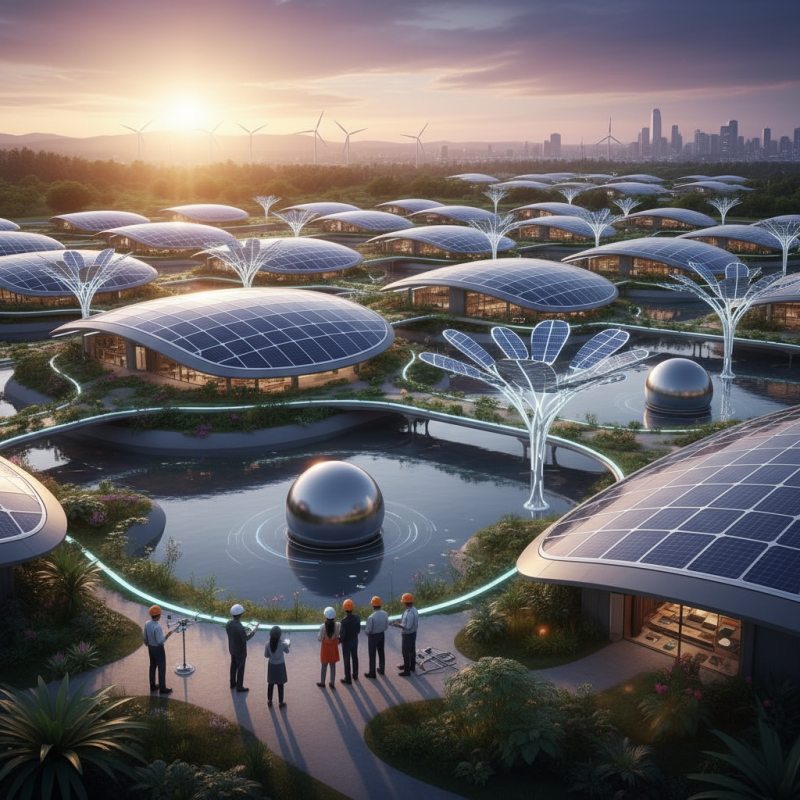
Another exciting development is the integration of solar panels into building materials. Imagine rooftops, windows, and even walls generating energy. This could reduce the need for additional space to install solar panels. Yet, the challenge lies in ensuring these materials maintain durability while providing high efficiency.
Energy storage technology is also advancing. Improved battery systems can store solar energy for use at night or during cloudy days. These systems must become more affordable for widespread adoption. The potential is immense. However, safe disposal and recycling of batteries need further consideration. As these technologies advance, they bring both promise and challenges that require careful thought and innovation.
Innovative Solar Panel Designs Enhancing Efficiency and Aesthetics
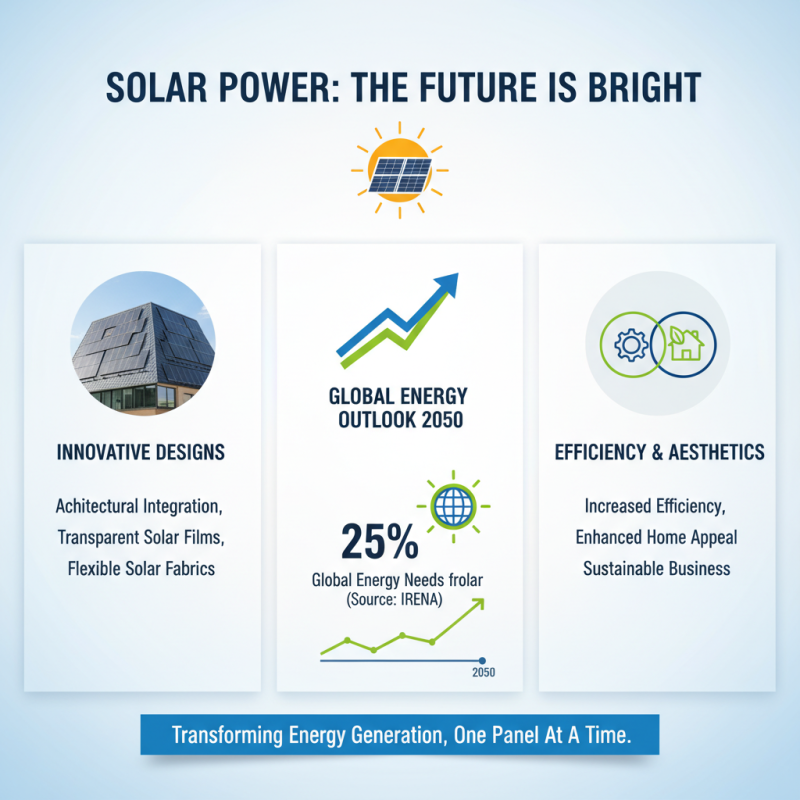
Innovative solar panel designs are transforming the way we think about energy generation. Data from the International Renewable Energy Agency (IRENA) indicates that solar power could meet 25% of global energy needs by 2050. As efficiency and aesthetics converge, new solar panels become more appealing to homeowners and businesses alike.
Many designs now feature sleek, integrated solutions that blend seamlessly with architecture. Recent advancements in thin-film technology offer lightweight options. These panels are not only efficient but also visually appealing. They can be installed on rooftops without compromising design integrity. However, not all innovations come without challenges. Some aesthetics-focused designs may sacrifice efficiency, raising questions about their practicality.
Another area of growth is transparent solar technology. Reports show their capacity to generate energy while allowing natural light in. This opens possibilities for windows and building surfaces to contribute to energy generation. Still, durability and cost remain concerns. Effective monitoring and advancements in technology will be crucial to enhance performance. While progress is impressive, the balance between efficiency and aesthetics is an ongoing discussion in the solar sector.
Advancements in Solar Storage Solutions for Sustainable Energy Use
As the world shifts towards sustainable energy, advancements in solar storage solutions are crucial. Storage technologies are essential for maximizing solar energy usage. According to the International Energy Agency, energy storage capacity is projected to grow by nearly 10 times by 2030. This significant increase highlights the rising importance of effective storage solutions.
Innovations like lithium-ion batteries have seen impressive developments. These batteries are becoming more efficient and cost-effective. However, challenges remain. Current recycling methods for batteries need improvement to address environmental concerns. Moreover, the reliance on raw materials impacts sustainability, raising questions about long-term viability.
New approaches, such as flow batteries and solid-state batteries, are gaining attention. These technologies offer greater scalability. They can store energy for longer periods and provide more stable output. Nevertheless, they require more research and investment. The path to widespread adoption of these innovations is not straightforward. It calls for a collective effort from industries and policymakers alike.
Smart Solar Integration with IoT and Grid Systems for Better Management
The integration of solar energy with Internet of Things (IoT) devices offers innovative solutions for energy management. Smart solar integration allows real-time data collection. This leads to improved efficiency in energy use. Smart grids can automatically adjust to changes in energy demand. They enable users to optimize energy consumption based on needs.
However, challenges remain. Interoperability between devices can be an issue. Standards are not always universally applied. It can lead to confusion among users. Moreover, scaling these technologies poses further challenges. Cities may struggle to incorporate advanced systems. This could delay the full potential of smart solar solutions.
Additionally, privacy concerns around data collection exist. Users may feel uneasy about who accesses their information. Transparency in data usage is crucial. Encouraging engagement with users can help alleviate these concerns. As technology evolves, so must our awareness and approach to managing energy systems. The path ahead is promising yet complex, requiring collaboration and thoughtful consideration.
Breakthroughs in Solar Materials: From Perovskites to Bifacial Modules
As the world moves toward greener energy, solar innovations stand at the forefront. Breakthroughs in solar materials are exciting. Perovskite solar cells, known for their unique structure, offer impressive efficiency. These materials are cheaper and easier to produce. However, their long-term stability still needs improvement. Researchers are exploring ways to enhance their durability.
Bifacial solar modules are another key development. These panels capture sunlight from both sides. This increases energy generation significantly. They work well in various environments, from rooftops to solar farms. Yet, their installation can be complex. Tracking sunlight effectively is essential but often challenging.
Overall, innovation in solar materials is promising, but challenges remain. The potential of perovskites and bifacial modules could transform energy production. Yet, we must continue to address the limitations. Balancing efficiency and durability is a journey, not a destination.
2026 Best Solar Energy Innovations to Watch Out For
| Innovation |
Description |
Benefits |
Projected Efficiency (%) |
Availability Year |
| Perovskite Solar Cells |
Novel solar cells utilizing perovskite compounds for enhanced light absorption. |
Higher efficiency, lower manufacturing costs. |
25% |
2026 |
| Bifacial Solar Modules |
Dual-sided solar panels that capture sunlight on both sides for increased output. |
Enhanced energy capture, improved performance in diffused light. |
20-25% |
2025 |
| Transparent Solar Panels |
Solar panels that are transparent and can be integrated into windows. |
Ability to generate power without obstructing views. |
15% |
2027 |
| Solar Skins |
Customizable solar panels that blend with roofing materials. |
Aesthetic appeal while maintaining efficiency. |
18% |
2026 |
| Floating Solar Farms |
Solar panels installed on bodies of water to save land space. |
Reduces evaporation and provides cooling for panels. |
22% |
2025 |