Best EV Charger Wall Plug Options for Fast Charging?
Electric vehicles (EVs) are rapidly gaining popularity, leading to an increased demand for reliable Ev Charger Wall Plugs. Many drivers wonder which options offer the best performance and value. According to John Harper, an expert in the EV charging industry, "A good EV charger wall plug can significantly reduce charging time." His insights highlight the importance of making informed choices in this ever-evolving market.
Choosing the right EV charger wall plug means understanding power output, compatibility, and installation requirements. High-quality chargers can offer faster charging, which is crucial for busy owners. However, not all products live up to their promises. There are models that are overpriced yet underperforming, causing frustration.
Drivers must also consider safety features and warranty options. Inadequate wall plugs can pose risks like overheating. Some users might find it overwhelming to navigate the available choices. Often, it's clear that more research is necessary. Picking an ideal EV charger wall plug can be challenging but is essential for a smooth driving experience.
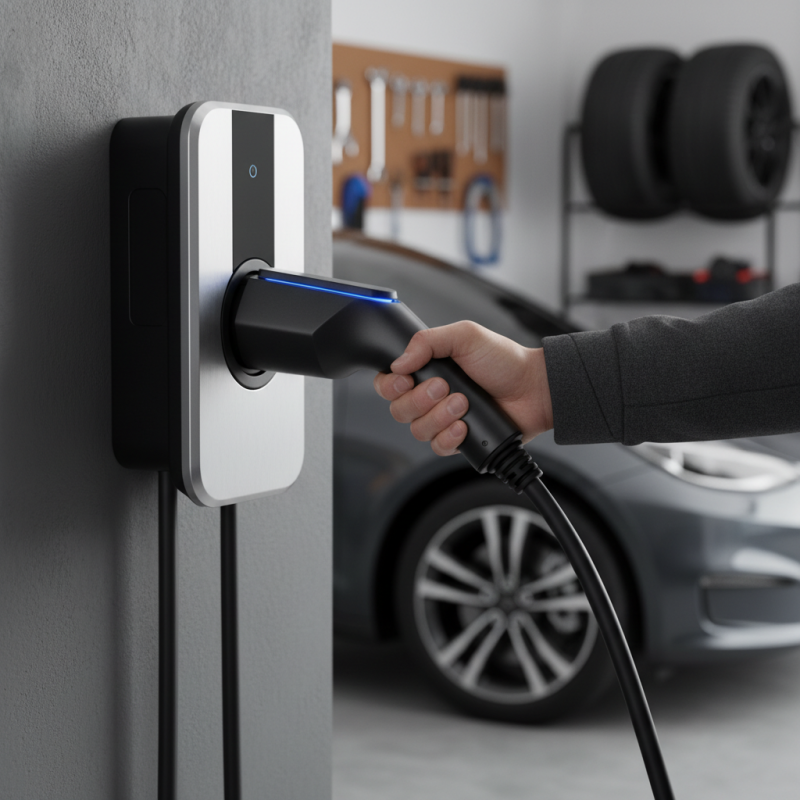
Understanding EV Charger Wall Plugs and Their Importance for Fast Charging
When it comes to electric vehicles (EVs), understanding charger wall plugs is crucial. These plugs connect your vehicle to the electrical supply, enabling fast charging. However, not all plugs are created equal. Some may offer higher power output, while others may have compatibility issues with different vehicle models.
The importance of choosing the right wall plug cannot be overstated. A quality charger can significantly reduce charging time. Depending on the type, it can take hours or even days to fully charge an EV. Imagine waiting all day for a full charge when a quicker option exists. Still, not all users prioritize charging speed. Some may overlook safety features or energy efficiency.
Charging installations can also bring challenges. Is your electrical system up to code? Improper installations can lead to hazards. Think about those moments when you plug in your EV, only to find that it isn’t charging properly. It can be frustrating. Also, consider the location. If the wall plug is hard to access, it complicates the user experience. Selecting the best charger involves trade-offs. Balancing speed, safety, and ease of use is a thoughtful process.
Types of EV Charger Wall Plugs Available for Home Use
When it comes to home EV charging, understanding available wall plug options is key. Level 1 chargers are the most basic, offering a simple plug-in solution. These chargers use a standard 120-volt outlet. They are convenient but charge slowly. Expect a full charge overnight, which might not suit everyone’s needs.
Level 2 chargers, on the other hand, significantly speed up charging times. They use a 240-volt outlet and require professional installation. This option caters to those who drive regularly and need a faster turnaround. However, installation costs can be a concern. Homeowners should consider the additional expense and possible electrical upgrades needed.
Finally, there are smart chargers that offer advanced features. These chargers connect to Wi-Fi and allow monitoring through mobile apps. While they provide valuable insights, not everyone may need these extras. The choice of wall plug depends on individual charging habits and budget. It’s essential to evaluate what fits best for your lifestyle.
Best EV Charger Wall Plug Options for Fast Charging
| Charger Type | Charging Speed (kW) | Voltage (V) | Installation Method | Estimated Cost |
| Level 1 Charger | 1.4 - 2.4 | 120 | Standard Outlet | $300 - $600 |
| Level 2 Charger | 3.7 - 22 | 240 | Hardwired/Plug-in | $500 - $1,500 |
| DC Fast Charger | 50 - 350 | 480 | Commercial/Professional Install | $10,000 - $40,000 |
| Smart Charger | 6.6 - 22 | 240 | Hardwired/Plug-in | $600 - $2,000 |
Key Features to Consider When Choosing an EV Charger Wall Plug
When selecting an EV charger wall plug, multiple key features must be evaluated. The charging speed plays a crucial role. Reports show that Level 2 chargers can deliver up to 25 miles of range per hour. This can significantly reduce charging time compared to standard outlets, which often provide less than 5 miles of range per hour.
Safety features are essential. Look for chargers with built-in protection against overcurrent and overheating. Statistics indicate that faulty installations can lead to electrical hazards. Additionally, a user-friendly interface can enhance the overall experience. Chargers that include smart features, like app connectivity, allow users to monitor energy usage and receive real-time updates.
Compatibility is another vital aspect. Not all chargers support the same EV models, creating potential frustrations. Research suggests that nearly 30% of consumers face compatibility issues when selecting a charger. It's essential to choose a plug that meets the needs of your vehicle. Ultimately, weighing these factors can lead to a more satisfying charging experience, despite the challenges in finding the perfect fit.
Top Fast Charging Wall Plug Recommendations for Electric Vehicles
When choosing a wall plug for fast charging your electric vehicle, consider the charging speed and compatibility. Not all chargers are made equal. Look for options that offer higher amperage, as they significantly reduce charging time. For instance, a 32-amp charger can deliver up to 7.7 kW of power, allowing most vehicles to achieve a full charge overnight.
Additionally, availability of smart features is essential. Some chargers come with mobile apps that help track charging progress. Others may include timers, which can minimize energy costs during peak hours. Yet, despite these advancements, you may face challenges with installation and wiring. Ensure your home’s electrical system can handle the load, or you might encounter overheating issues.
In many cases, users report that they initially underestimate the importance of ease of use. A complicated setup can be frustrating. Many prefer chargers with user-friendly interfaces that simplify the charging process. Remember, learning from past experiences and mistakes can guide you to make a more informed choice this time!
Installation and Maintenance Tips for EV Charger Wall Plugs
When installing an EV charger wall plug, location matters. Choose a spot that allows easy access to your vehicle. Ideally, it should be near your parking area. Ensure the wall is sturdy and can handle the weight. Good lighting is also important. This makes connecting your vehicle easier at night.
Regular maintenance is key for optimal performance. Check for wear and tear on the cables and connectors. It’s crucial to keep the charging station clean. Dust and debris can affect the connection. Water damage can also be an issue. Consider protecting your unit from the elements with a cover.
Here’s a useful tip: always consult the manual for installation guidelines. Not all units are the same. Make sure you follow specific procedures to avoid any issues. Improper installation can lead to safety hazards. Additionally, consider hiring a professional for installation if you're unsure. This will save headaches down the line.
Best EV Charger Wall Plug Options for Fast Charging