What Are the Benefits of Using a Cast Iron Stove?
The benefits of using a cast iron stove are extensive and well-documented. According to a recent report from the Hearth, Patio & Barbecue Association, cast iron stoves can improve heating efficiency by up to 30%. They distribute heat evenly, making them an ideal choice for home heating. Many homeowners appreciate the durability of cast iron, as it can last for generations with proper care.
Expert Robert Hall, a well-known figure in the hearth industry, emphasizes the charm of cast iron. He states, "A cast iron stove not only warms your home but also brings a sense of nostalgia and comfort." This blend of functionality and aesthetics makes these stoves valuable for any household. Nevertheless, cast iron stoves require regular maintenance to avoid rust and ensure optimal performance. Failing to do so may lead to issues like diminished heat output or even permanent damage.
In an age of modern heating solutions, cast iron stoves still hold their own. They are appreciated for their unique design and ability to retain heat long after the fire has gone out. However, not every home may benefit from switching to a cast iron stove. Proper sizing and installation are crucial factors that require careful consideration.
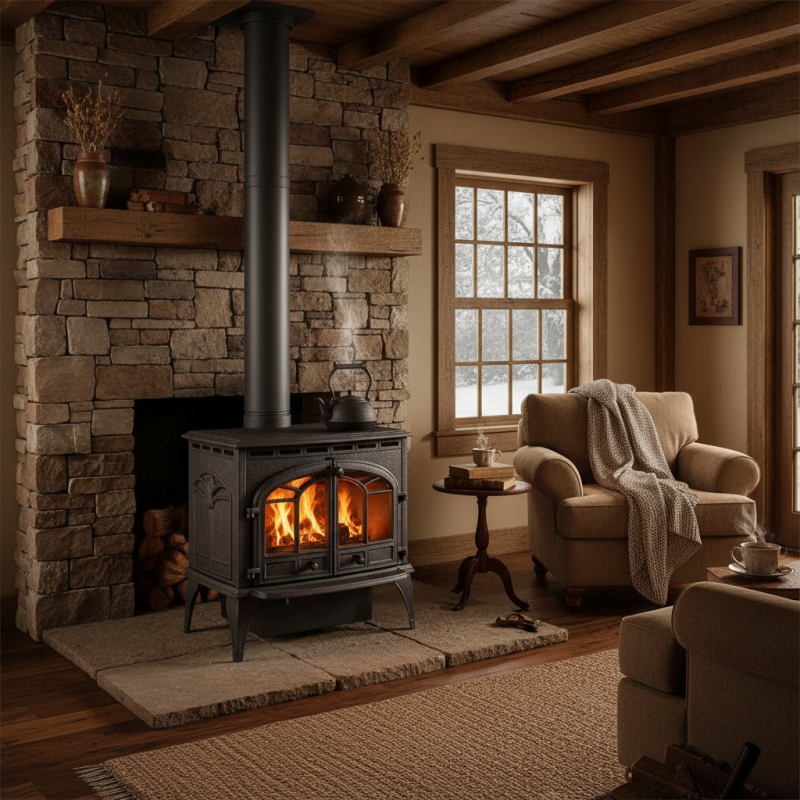
Benefits of Using a Cast Iron Stove for Cooking Efficiency
Using a cast iron stove can significantly enhance cooking efficiency. According to studies, cast iron retains heat better than other materials. This property allows for even cooking and browning. A report from the American Culinary Federation noted that even a slight temperature drop can affect meal quality. With cast iron, the heat remains consistent.
The time needed to reach optimal cooking temperature is also reduced. Once a cast iron stove is heated, it holds that heat well. It requires less energy to maintain temperature. This efficiency leads to lower energy bills, as reported by the Energy Efficiency Guide. However, it can take time to properly season and maintain cast iron cookware.
Some chefs find the weight of cast iron cumbersome. It can be difficult to handle, especially in busy kitchen environments. Additionally, improper care can lead to rust and buildup. While cast iron stoves are durable, they require commitment and care. Those that invest time reap the benefits of better cooking results.
Durability and Longevity of Cast Iron Stoves Compared to Other Materials
Cast iron stoves are often praised for their durability and longevity. Compared to other materials, cast iron outlasts many alternatives. According to a study by the American Society of Mechanical Engineers, cast iron can last over 50 years with proper care. This lifespan is significantly higher than most other stove materials, which typically range from 10 to 20 years.
One reason for this durability is cast iron's ability to retain and distribute heat evenly. This not only enhances cooking efficiency but also reduces wear over time. Unlike stainless steel or aluminum, cast iron can handle fluctuations in temperature without warping. However, it is important to regularly season and maintain the surface to prevent rusting.
Tips: Use a mild soap for cleaning. Avoid harsh chemicals that can damage the surface. Ensure the stove is stored in a dry place to prevent moisture accumulation.
Although cast iron stoves are robust, they do require some reflection. Users must be prepared for the weight; some models can exceed 200 pounds. This heft can complicate installation but also adds to stability. Keeping cast iron well-maintained can feel challenging but is crucial for its longevity. While it may require effort, the long-term benefits often outweigh any inconvenience.
Heat Retention and Distribution: Advantages of Cast Iron Cooking
Cast iron stoves offer incredible heat retention and distribution. They efficiently absorb heat and radiate it evenly. When you cook, the material keeps warm long after the flame is gone. This feature allows for better cooking results. Your food may cook more uniformly, with fewer hot spots.
Using a cast iron stove can improve your cooking experience. The heat spreads slowly but evenly. This means you can lower the heat without worrying about undercooked dishes. However, it can be slow to heat up initially. Some may find it takes longer to reach the desired temperatures.
Another aspect to consider is maintenance. A cast iron stove requires care to prevent rust. Regular seasoning is necessary. Skipping this step may lead to disappointing cooking results. Still, the benefits often outweigh these challenges. The unique taste and aroma from cast iron cooking are unmatched. It’s a journey worth exploring.
Benefits of Using a Cast Iron Stove: Heat Retention and Distribution
This chart illustrates the key benefits of using a cast iron stove, focusing on heat retention and distribution efficiency compared to other cooking methods.
Aesthetic Appeal and Design Versatility of Cast Iron Stoves
Cast iron stoves offer a unique aesthetic appeal that enhances any kitchen or living space. Their timeless design fits various decor styles, from rustic to modern. The intricate details and robust structure help create a warm, inviting atmosphere. With an array of colors and finishes, there is a cast iron stove to match every taste.
When selecting a cast iron stove, consider its placement. It can be a stunning focal point or blend seamlessly with your decor. Different styles also influence the room's vibe. A traditional model might suit a farmhouse kitchen, while a sleek, minimalist design fits contemporary settings.
Tips: Focus on functionality as well. A well-placed stove can improve both heat distribution and room flow. It can also serve as a conversation starter. Don’t overlook the importance of regular maintenance. While cast iron is durable, it requires care to preserve its beauty and performance.
Health and Safety Considerations When Using Cast Iron Stoves
Using a cast iron stove offers numerous health and safety benefits. For instance, cast iron is known for its durability and ability to retain heat evenly. This feature helps in cooking food thoroughly, minimizing the risk of foodborne illnesses. According to a study by the National Institutes of Health, proper cooking temperatures eliminate pathogens, making cast iron stoves a safer option for food preparation.
However, there are some dangers. Cast iron stoves can become extremely hot. Burns are a potential risk, especially for children or pets in the kitchen. Home safety reports indicate that scalds and burns account for over 500,000 emergency room visits each year. Careful placement and protective barriers can mitigate this risk, but one must stay vigilant while cooking.
Another consideration is the seasoning of cast iron cookware. Improper seasoning can result in the release of harmful compounds, which may affect health. Reports from the Environmental Protection Agency suggest that a well-maintained cast iron surface can actually impart beneficial iron into food. Yet, regular maintenance is essential to reap these benefits. Ignoring care routines can lead to rust, which is a concern for safe cooking surfaces.
What Are the Benefits of Using a Cast Iron Stove? - Health and Safety Considerations When Using Cast Iron Stoves
| Benefit | Description |
| Durability | Cast iron stoves are known for their long lifespan and resistance to wear and tear. |
| Heat Retention | They retain heat for a long time, providing consistent warmth even after the fire has gone out. |
| Versatility | Can be used for various cooking methods including baking, simmering, and frying. |
| Energy Efficiency | They can save energy by retaining heat, which can decrease fuel usage. |
| Aesthetic Appeal | Cast iron stoves add a vintage charm and warmth to home decor. |
| Health Considerations | Proper ventilation is essential to prevent harmful smoke inhalation. |
| Safety Precautions | Ensure that the stove is installed according to safety standards to avoid fires. |