What are the Benefits of Robot Lithium Batteries?
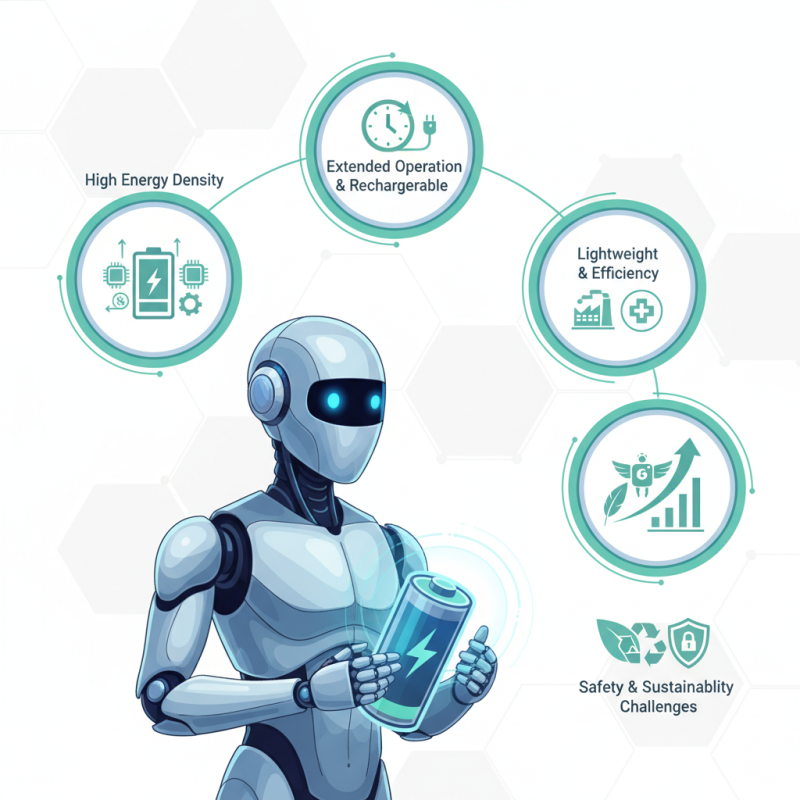
The advent of robot lithium batteries has transformed the robotics industry. According to Dr. Emily Thompson, a leading expert in battery technology, "Robot lithium batteries offer unprecedented energy density." This makes them ideal for various robotic applications.
These batteries are lightweight and rechargeable. They enable robots to operate for extended periods without frequent charging. In sectors like manufacturing and healthcare, these batteries enhance efficiency and productivity. However, as technology advances, the need for improved safety and longevity remains critical.
Despite their advantages, the production of robot lithium batteries poses environmental challenges. Recycling remains a significant issue. All industry stakeholders must work together to minimize the ecological impact. The benefits of robot lithium batteries are clear, but a balanced approach is necessary for sustainable growth.
Overview of Robot Lithium Batteries
Robot lithium batteries have transformed the way robots operate. These batteries are lightweight and provide high energy density. This means robots can work longer without needing a recharge. Additionally, they charge quickly, which enhances productivity.
The lifespan of lithium batteries is impressive. They can last for hundreds of charge cycles. However, not all batteries are created equal. Some may degrade faster under heavy usage. This can lead to uneven performance. Users must monitor battery health regularly. Noting signs of wear can prevent unexpected shutdowns.
Despite their advantages, there are still challenges. Lithium batteries can be sensitive to extreme temperatures. High heat can shorten their lifespan. It’s crucial to store and operate them within recommended temperature ranges. The industry is still finding ways to improve battery efficiency. The future looks promising, but there’s room for growth.
Advantages of Lithium Technology in Robotics
Lithium technology has transformed the field of robotics. These batteries offer significant weight savings compared to traditional options. This is crucial in robotics, where every gram matters. A study indicated that lithium batteries can be 30% lighter than lead-acid counterparts. This reduction in weight enables robots to be more agile and efficient.
Moreover, lithium batteries have a longer lifespan. Reports show that they can endure up to 3,000 charge cycles. This is significantly higher than the typical 500 cycles of nickel-cadmium batteries. Such longevity reduces the need for frequent replacements. However, the initial costs of lithium batteries remain a concern for some industries. It's essential to weigh the long-term benefits against the upfront investment.
Charging time is another advantage. Lithium batteries typically charge up to 50% faster than their alternatives. This rapid recharging ensures that robots can operate longer without significant downtime. Nevertheless, challenges exist in battery management systems. Engineers must continually improve these systems to monitor battery health effectively. Ensuring safety remains a priority, given the potential risks associated with lithium technology.
Comparative Analysis of Lithium Batteries vs. Traditional Battery Types
Lithium batteries are becoming the go-to choice for robots. They offer several benefits over traditional battery types. For instance, lithium batteries boast a high energy density, meaning they store more power in a smaller package. Reports indicate that lithium batteries can provide up to 300 Wh/kg, while traditional lead-acid batteries only offer around 30 Wh/kg.
When it comes to recharging, lithium batteries shine. They can be charged quickly, often reaching 80% capacity in just one hour. In contrast, traditional batteries may need several hours to reach full charge. This rapid recharging capability allows robots to operate longer without significant downtime.
Tips: Always monitor the temperature of lithium batteries. Overheating can lead to reduced lifespan. Additionally, remember that proper maintenance ensures optimal performance. Consider investing in a smart charger to prolong battery life. The environmental impact of battery disposal should also be a point of concern. Many lithium batteries are recyclable, but that isn't always the case with traditional types.
The weight advantage of lithium batteries can result in a more agile robot design. However, the initial cost of lithium batteries is higher. This can be a barrier for some applications. Evaluating the long-term benefits versus the upfront costs is crucial.
Applications of Lithium Batteries in Robotic Systems
Lithium batteries are essential in robotic systems today. They provide high energy density, which is vital for robots that need long operational times. This energy efficiency allows robots to perform tasks without constant recharging. For instance, drones equipped with lithium batteries can fly for extended periods. This significantly enhances their usability in various applications.
Robotic systems used in manufacturing also benefit from lithium battery technology. These robots often require quick bursts of power to perform precise tasks. Lithium batteries can deliver that energy instantly. However, the weight of the batteries can sometimes hinder their mobility. Engineers must find the right balance between power and weight.
In healthcare, robotic surgical systems use lithium batteries to function reliably. Their compact size and incredible power support the intricate movements required during procedures. Yet, the reliability of these batteries can vary. Over time, performance may decline. This leads to crucial considerations for maintenance and replacement.
Environmental Impact of Using Lithium Batteries in Robotics
The environmental impact of using lithium batteries in robotics is significant. Lithium batteries are lighter and denser than traditional batteries. This leads to less weight for robots, which can enhance efficiency and reduce energy consumption. According to a 2021 report by the International Energy Agency, lithium-ion batteries have over a 90% recycling rate in some regions. This indicates progress in sustainability.
On the other hand, lithium mining poses environmental challenges. The extraction process often consumes large amounts of water and can lead to soil degradation. A large-scale lithium mine can use approximately 2 million gallons of water daily. This raises concerns about local ecosystems and biodiversity. Moreover, there are challenges in managing battery waste properly. While recycling rates are improving, many batteries still end up in landfills.
Additionally, the carbon footprint associated with lithium production remains a concern. A 2020 study found that the carbon emissions from lithium extraction could be up to three times higher than those from other battery materials. It's important for the robotics industry to address these issues continuously. Striking a balance between innovation and environmental responsibility is essential for sustainable progress.
Benefits of Robot Lithium Batteries
The chart above illustrates the benefits of using lithium batteries in robotics, evaluating factors such as energy density, lifespan, charging speed, environmental impact, and cost. Each aspect is rated on a scale from 1 to 10, representing the significant advantages of lithium batteries for robotic applications.